Dagger: History, Symbolism, and Modern Relevance of the Double-Edged Blade
One of the first and most durable weapons in human history is the dagger, a small, double-edged blade used for ceremonial, close-quarters…
Dagger: History, Symbolism, and Modern Relevance of the Double-Edged Blade
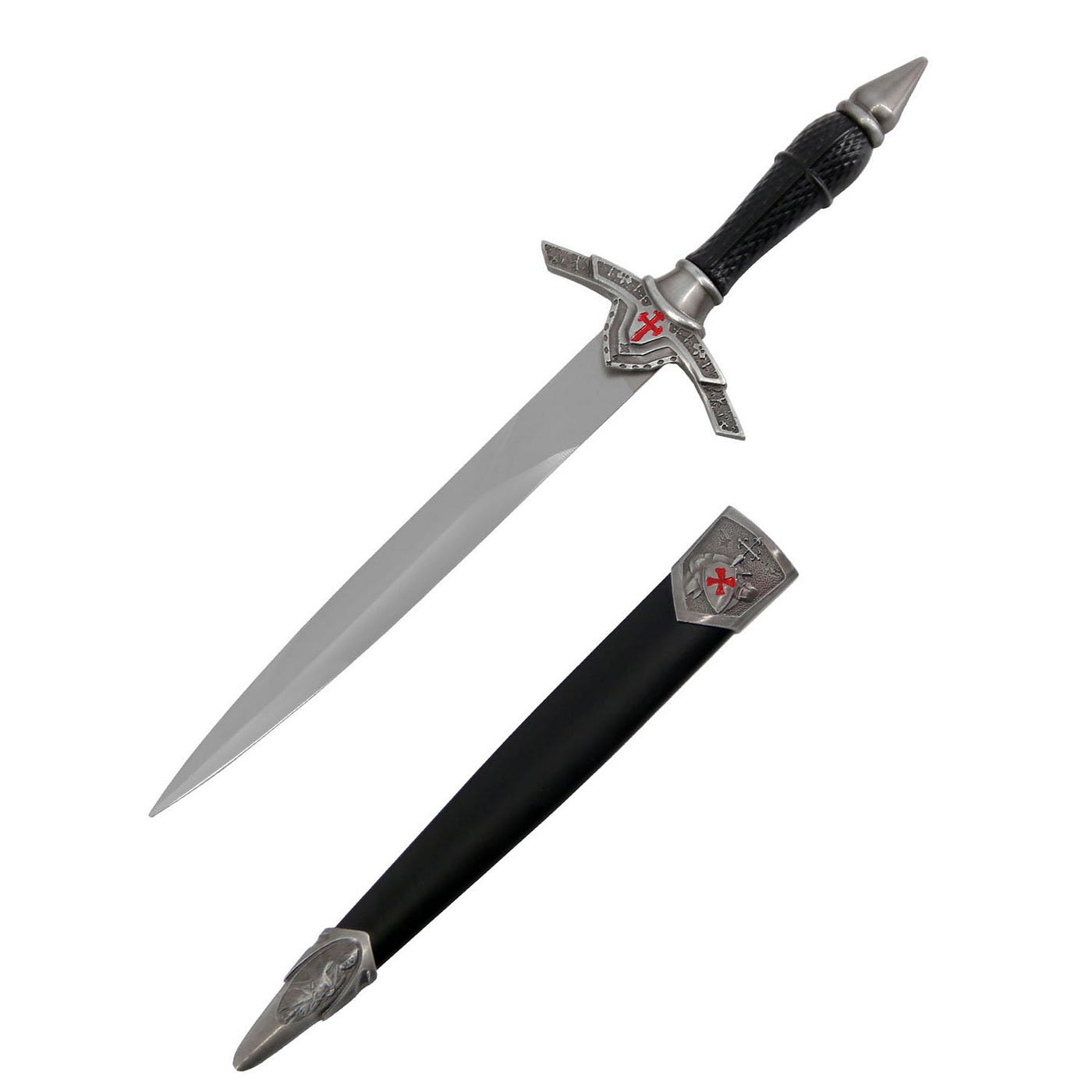
One of the first and most durable weapons in human history is the dagger, a small, double-edged blade used for ceremonial, close-quarters, and stabbing reasons. Despite being smaller than swords or spears, daggers have had a significant impact on warfare, culture, and symbolism throughout history. From the earliest bronze blades to contemporary military knives, the **dagger** is still a potent symbol of honor, protection, and creativity. This article will cover every aspect of the dagger, including its construction, history, applications, legality, symbolism, and continued use in both military and civilian contexts.
A Blade Born in Antiquity
The dagger has been used for thousands of years, long before history was written. Early daggers composed of flint, bone, and obsidian have been found by archaeologists; these materials were employed prior to the Bronze Age, which transformed the production of weapons. Daggers became stronger, sharper, and more resilient as metallurgy progressed, thanks to the development of bronze and then iron. These early swords were essential for life as much as fighting.
Daggers were more than just weapons in ancient Egypt; they were also seen as emblems of strength and heavenly protection. Intricately adorned daggers, like the well-known iron dagger of Tutankhamun, which scientists found was created from meteoric iron literally, stuff that fell from the sky were interred with pharaohs.
The dagger was used by both warriors and civilians in Greece, Rome, and Mesopotamia. Roman legionaries carried the pugio, a short stabbing weapon that symbolized military discipline and authority. In medieval Europe, knights often used daggers as secondary weapons for close combat or finishing blows, known as the misericorde. Throughout Asia, the design evolved into unique regional styles like the Indian katar, the Malay kris, and the Japanese tanto — each carrying cultural significance beyond simple utility.
Design and Construction
The defining feature of a **dagger** is its double-edged blade, designed primarily for thrusting. This distinguishes it from single-edged knives, which are optimized for cutting or slicing. A dagger’s geometry typically includes a pointed tip, symmetrical blade edges, and a grip that allows precise control in close quarters.
Common parts of a dagger include:
- Blade: Usually short, ranging from 3 to 12 inches, with two sharpened edges.
- Tang: The portion of the blade that extends into the handle, providing strength.
- Guard or Crosspiece: Prevents the hand from slipping onto the blade during thrusts.
- Handle or Grip: Made from materials like wood, leather, metal, bone, or modern polymers.
- Pommel: Balances the blade and can serve as a striking surface.
Over time, craftsmanship transformed daggers from purely functional weapons into artistic masterpieces. Intricate engravings, jeweled hilts, and unique blade shapes turned them into status symbols, ceremonial pieces, and collectibles.
Modern versions often use stainless steel, carbon steel, or alloys treated for corrosion resistance. Some tactical daggers incorporate serrations, synthetic grips, and non-reflective coatings for field use. Despite technological advances, the essence of the dagger balance, precision, and lethality remains unchanged.
Cultural and Symbolic Significance
The dagger has more symbolic significance than most other weapons. It has stood for both honor and treachery throughout history.
The dagger was frequently used as a symbol of bravery and knightly devotion in medieval Europe. However, it also gained notoriety for its assassination and stealth tactics, which are the preferred means of political intrigue. The dagger’s role in treachery, most notably in the assassination of Julius Caesar, is where the expression “stab in the back” first appeared.
In South Asia and the Middle East, daggers became culturally significant items. Yemeni men’s curving waist-worn janbiya is a statement of social standing and masculinity. With its wavy blade, the Indonesian kris is a family relic that is thought to possess supernatural power. Similarly, the katar in India and the pesh-kabz in Persia were both practical and ceremonial — blending art, faith, and warfare.
Today, military insignias, martial arts emblems, and even national crests feature the image of the dagger to symbolize valor, precision, and readiness. It has transcended its role as a simple tool to become an enduring symbol of discipline and determination.
Practical Uses Today
While once a primary weapon, the modern dagger has evolved into specialized roles:
- Military and Tactical Applications: Many modern forces still use daggers, such as the Fairbairn–Sykes fighting knife, designed during World War II for British commandos. These blades are used in close-quarters combat and survival situations.
- Ceremonial or Dress Daggers: Some armed forces and organizations include decorative daggers in their dress uniforms not for combat, but as symbols of tradition and honor.
- Collecting and Historical Reenactment: Collectors prize antique daggers for their craftsmanship and historical value. Reenactors use replicas to preserve history and demonstrate ancient combat techniques.
- Art and Craftsmanship: Artisans continue to forge decorative daggers, focusing on elaborate handles, Damascus steel patterns, and ornamental scabbards.
- In civilian life, most modern daggers serve as display items, survival gear, or collector’s pieces rather than practical weapons.
Maintenance and Preservation
Collectors and enthusiasts often invest significant time in preserving their daggers. Proper maintenance prevents corrosion and ensures longevity.
- Clean the blade after handling to remove oils and moisture.
- Apply a light coat of protective oil to prevent rust.
- Store daggers in a dry, secure display case away from humidity.
- For antique daggers, avoid harsh chemicals that can damage patina or engravings.
Caring for a dagger isn’t just about upkeep it’s about preserving a link to history.
The Dagger’s Modern Meaning
The dagger now symbolizes more than just fighting. It represents fortitude, creativity, and the will to live and protect. From the hands of ancient warriors to ceremonial halls and museum exhibits now, it’s a piece of history that tells a tale.
There is a paradoxical beauty about the dagger despite its brutal beginnings. It serves as a reminder of how weapons of war may transform into works of art and workmanship, signifying both creation and destruction. The dagger continues to be a timeless symbol of skill, balance, and strength for martial artists, collectors, and historians.
A Timeless Blade of Human Ingenuity
The dagger’s evolution from crude stone blades to the sophisticated steel of contemporary craftsmanship spans thousands of years of human civilization. It conveys tales of heroes, monarchs, and regular soldiers alike, embodying bravery, artistic ability, and survival. The dagger continues to be a representation of human ingenuity and intricacy whether it is shown in a museum, worn at a ceremony, or kept in a private collection. Sharp, sophisticated, and timeless across all ages, to hold one is to hold a fragment of history.
메타데이터
- post_id
- 5304f5b714ff
- slug
- dagger-history-symbolism-and-modern-relevance-of-the-double-edged-blade-5304f5b714ff
- url
- https://medium.com/@amylena029/dagger-history-symbolism-and-modern-relevance-of-the-double-edged-blade-5304f5b714ff
- canonical_url
- https://medium.com/@amylena029/dagger-history-symbolism-and-modern-relevance-of-the-double-edged-blade-5304f5b714ff
- author_url
- https://medium.com/@amylena029
- status
- ok
- fetched_at
- 2026-07-15 06:14:08


