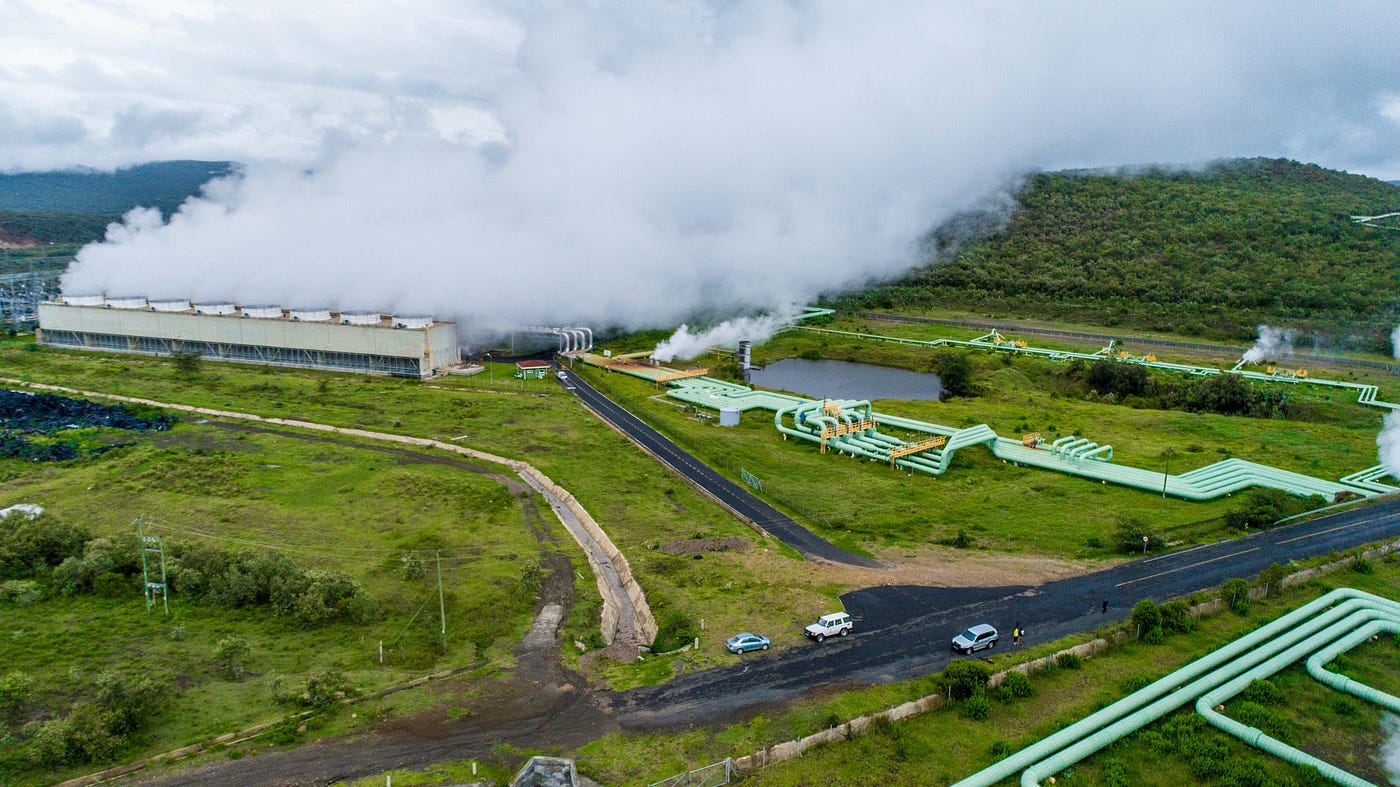
Natural Gas as System-Critical Infrastructure, Not Just a “Bridge Fuel”
For years, natural gas has been described as a bridge between higher-emitting fuels and a lower-carbon energy system. That framing no…
Natural Gas as System-Critical Infrastructure, Not Just a “Bridge Fuel”
For years, natural gas has been described as a bridge between higher-emitting fuels and a lower-carbon energy system. That framing no longer captures the full picture.
Demand is evolving in new and uneven ways. Electricity use is increasing, new large-scale loads are coming online, and expectations for reliability continue to grow. At the same time, the infrastructure decisions being made today will shape how energy is delivered and valued for decades.
Against this backdrop, natural gas remains essential. The question now is how it fits within a more complex and interconnected environment.
Meeting the moment
Power demand is moving, changing where and when the grid is under the most pressure.
AI-driven data center growth is a big part of this. These facilities use large amounts of power around the clock, often in areas where the system is already constrained. At the same time, electrification is expanding across sectors. While it helps reduce emissions, it also increases overall demand and intensifies peak loads. In industrial settings and during extreme weather conditions, extra flexibility is often needed to keep costs stable and operations running smoothly.
These pressures become especially clear during winter peaks. Cold weather events can drive simultaneous spikes in heating and electricity use, putting pressure on both gas and electric infrastructure. When one system is constrained, it can quickly affect the other.
Layered into this, LNG exports are tightening the linkage between domestic gas pricing and global demand, reducing the historical insulation of U.S. markets and introducing new price volatility into supply planning.
Taken together, these shifts are changing how infrastructure is planned, how resources are used, and how reliability is maintained.
How to strategically deploy natural gas infrastructure
As the energy system becomes more interconnected, gas and electric systems need to be planned and operated together, not separately. They already operate in tandem during high demand, but that coordination needs to be more deliberate.
Planning and operations should shift from loosely to fully coordinated across capacity expansion, dispatch alignment, and shared reliability frameworks. Within this context, natural gas provides reliable, on-demand power that supports the energy system during peak periods and balances variable renewable generation.
That makes infrastructure planning central to this approach. Investments must account for changing demand, evolving markets, and the need to keep energy affordable. The goal is to upgrade and expand existing assets rather than building entirely new ones.
Ultimately, a strategic approach prioritizes where natural gas strengthens resilience and how it works alongside other resources as part of a coordinated energy mix.
Where is RAISE going next?
To help answer these questions, GTI Energy launched the Reliable Affordable Infrastructure for Secure Energy (RAISE) collaborative to quantify the system-level value of gas infrastructure under emerging load, reliability, and market conditions, and translate that into actionable planning insights.
RAISE brings together stakeholders across industry, policy, and research to examine questions around integration, infrastructure, reliability, and affordability, grounded in data and operational experience.
In the near term, RAISE is focusing on three areas where system pressure is already visible:
- Demand Stress Testing: Assessing AI-driven data center loads alongside winter peak scenarios
- Gas-Electric Coordination: Identifying infrastructure bottlenecks and gaps in operational alignment
- Resilience Valuation: Quantifying reliability and affordability impacts under constrained conditions
These areas are tightly linked, requiring integrated analysis to surface tradeoffs, clarify system dependencies, and inform more effective planning decisions.
A path forward depends on asking the right questions
Given this level of change, there is no single blueprint for this evolving energy system, but there are clear failure modes when systems are planned in isolation. Progress depends on how well key questions are understood and addressed.
How does the grid perform under stress? Where are coordination gaps most visible? Which investments deliver long-term value? How can reliability, affordability, and emissions goals be managed together in practice?
These questions shape how infrastructure is planned, how systems are operated, and how tradeoffs are made across the energy mix. The ability to answer them clearly and consistently will determine how the system performs when it matters most.
RAISE is built to move beyond narrative into decision-grade analysis, to identify what works, where gaps remain, and how to prioritize energy investments that hold value over time.
*Join RAISE to be part of shaping those answers and the decisions that follow.*
메타데이터
- post_id
- 69dff109022a
- slug
- natural-gas-as-system-critical-infrastructure-not-just-a-bridge-fuel-69dff109022a
- url
- https://medium.com/catalyst-by-gti/natural-gas-as-system-critical-infrastructure-not-just-a-bridge-fuel-69dff109022a
- canonical_url
- https://medium.com/catalyst-by-gti/natural-gas-as-system-critical-infrastructure-not-just-a-bridge-fuel-69dff109022a
- author_url
- https://medium.com/@shadi.salahshoor.gti
- status
- ok
- fetched_at
- 2026-06-12 22:02:08