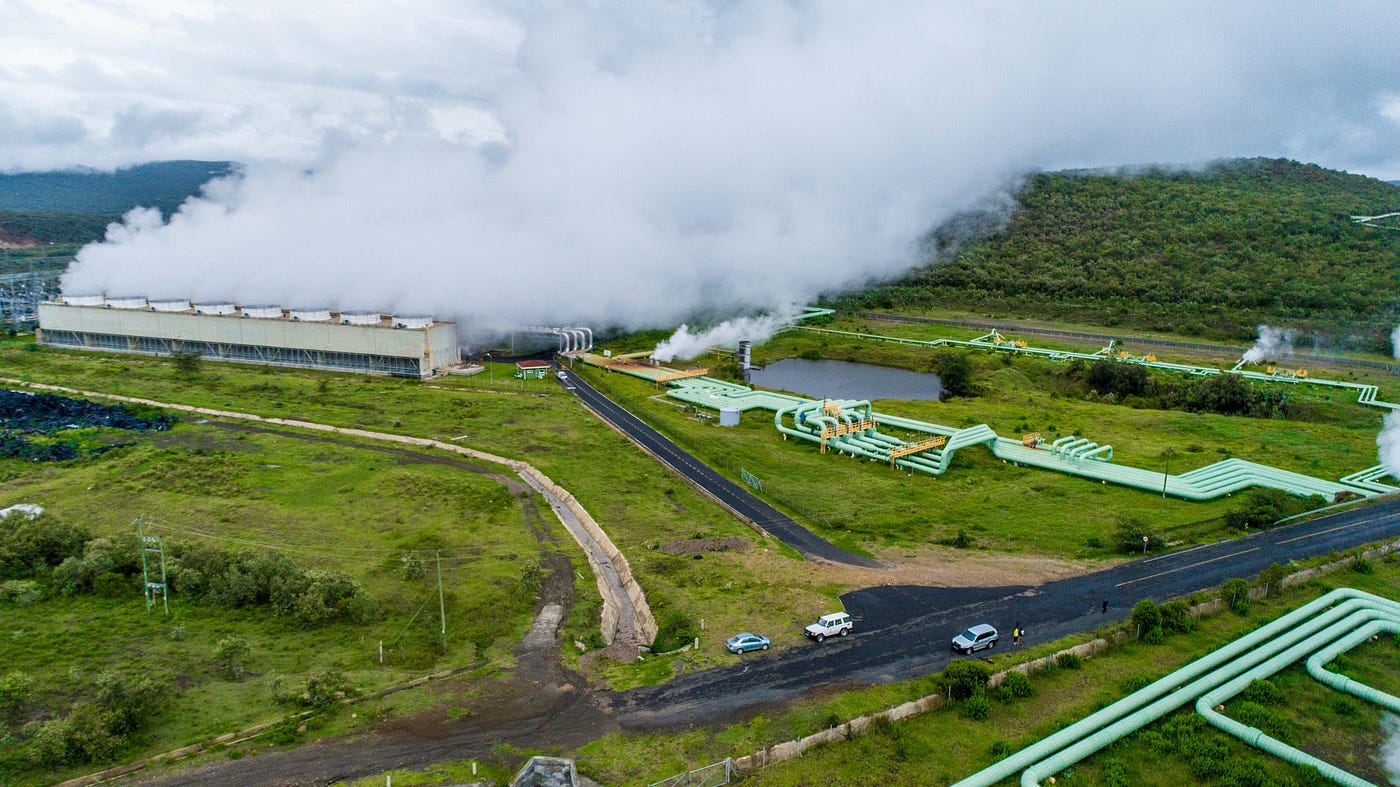
Biogas Upgrading with Molecular Sieves: A Growing Application in Modern Energy Systems
Biogas is gaining recognition as a practical renewable energy source, produced from organic waste through anaerobic digestion. Before this…
Biogas Upgrading with Molecular Sieves: A Growing Application in Modern Energy Systems
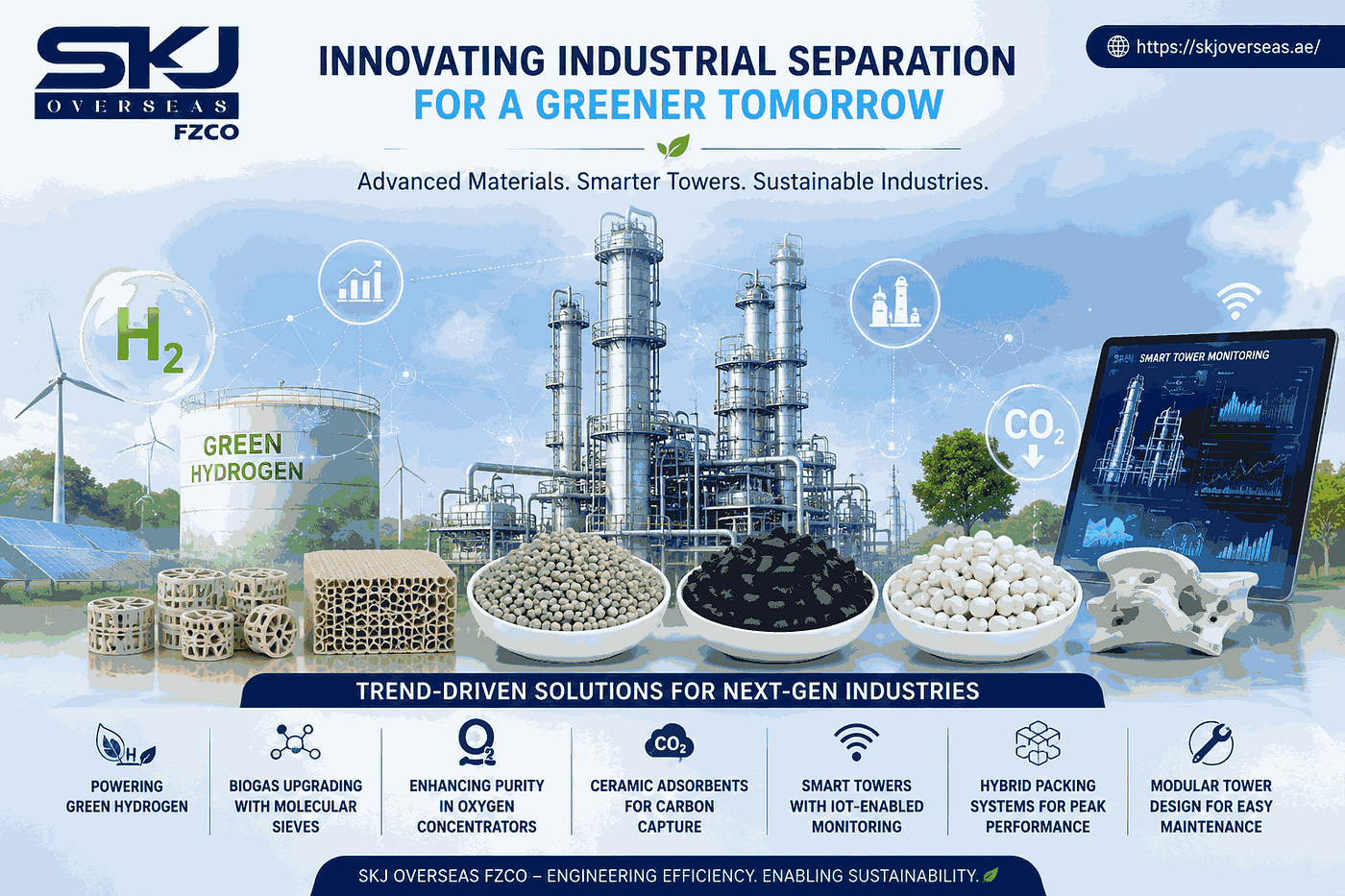
Biogas is gaining recognition as a practical renewable energy source, produced from organic waste through anaerobic digestion. Before this raw gas can be used effectively, it must go through a purification process that removes moisture, carbon dioxide, and trace contaminants.
Molecular sieves play a significant part in this upgrading process, helping convert raw biogas into a cleaner, more usable fuel. Adsorbents such as the **13x molecular sieve** are widely applied during this stage because of their strong selectivity for specific gas molecules. This article looks at how these materials support each stage of the upgrading process.
Understanding the Role of Biogas Upgrading in Renewable Energy Production
Raw biogas typically contains a mixture of methane, carbon dioxide, moisture, and trace impurities. Upgrading this gas involves removing the non-methane components to increase energy density and improve combustion consistency.
This purification step is essential for applications ranging from grid injection to vehicle fuel and industrial heating. Without proper upgrading, raw biogas offers lower energy value and can cause equipment corrosion over time.
Adsorbent-based purification systems have become a practical method for achieving the gas quality these applications require.
How 13x molecular sieve Materials Remove Carbon Dioxide from Biogas Streams
Carbon dioxide removal is one of the primary steps in biogas upgrading, since reducing its concentration directly increases methane content. This adsorbent type is commonly selected for this task due to its strong affinity for carbon dioxide molecules.
Its wide pore structure allows it to adsorb carbon dioxide efficiently while permitting methane to pass through with minimal loss. This selective separation supports higher purity output during pressure swing adsorption cycles.
Consistent carbon dioxide removal contributes directly to the overall energy value of the upgraded gas.
The Function of 4A molecular sieve in Biogas Moisture and Water Removal Systems
Moisture control is a necessary early step in biogas processing, as residual water vapor can interfere with downstream purification stages. The **4a molecular sieve** is frequently used for this drying function because of its strong water adsorption capacity.
Its pore size is well matched to water molecules, allowing it to selectively capture moisture while allowing methane and other gas components to continue through the system. This helps protect downstream equipment from moisture-related issues.
Effective drying at this stage supports smoother performance across the remaining purification steps.
Why 3A Molecular Sieve Grades Improve Purity in Biogas Purification Processes
Certain biogas applications require particularly fine moisture control to prevent interference with sensitive processing equipment. The **3A Molecular Sieve** is suited to these requirements due to its smaller pore diameter.
This smaller pore size allows it to selectively adsorb water molecules while excluding larger hydrocarbon compounds that could otherwise accumulate within the adsorbent bed. This selectivity helps maintain consistent purification performance over repeated cycles.
Choosing the correct grade for each processing stage supports more reliable long-term system operation.
How 13X-HP Molecular Sieve Supports Continuous Biogas Processing Operations
Biogas facilities operating continuously require adsorbents capable of withstanding repeated pressure and temperature cycling without losing effectiveness. The **13X-HP Molecular Sieve** is engineered with enhanced physical strength for these demanding conditions.
Its improved crush resistance allows it to maintain structural integrity through extended operating periods, reducing the frequency of adsorbent replacement. This durability supports more consistent purification performance across continuous processing cycles.
Facilities running extended operational schedules benefit from adsorbents built to handle sustained cyclical use.
Applications of 13X APG Zeolite Molecular Sieve in Biogas Upgrading Systems
Gas flow consistency plays an important part in maintaining efficient purification across packed adsorbent beds. The 13X APG Zeolite Molecular Sieve offers a spherical particle form that supports even gas distribution throughout the vessel.
This uniform shape helps reduce pressure drop across the bed, supporting smoother operation during both adsorption and regeneration phases. Its consistent particle structure also contributes to predictable adsorption behavior across varying feed gas conditions.
These properties make it a practical fit for biogas upgrading systems handling variable gas compositions.
The Role of Pellets activated carbon in Hydrogen Sulfide Removal from Biogas
Hydrogen sulfide is a corrosive contaminant commonly found in raw biogas that must be addressed before further processing. **Pellets activated carbon** is often used for this purpose due to its strong adsorption capacity for sulfur compounds.
Its porous structure provides substantial surface area for capturing hydrogen sulfide molecules before they reach downstream equipment. This early-stage removal helps protect processing components from corrosion-related wear.
Including this purification step supports the overall reliability of the biogas upgrading process.
Frequently Asked Questions
Why does raw biogas need to be upgraded before use?
Raw biogas contains moisture, carbon dioxide, and trace contaminants that reduce its energy value and can damage equipment. Upgrading removes these components to produce a cleaner, higher-methane fuel. This process improves both performance and equipment longevity.
What impurities do molecular sieves typically remove from biogas?
Molecular sieves are commonly used to remove moisture and carbon dioxide from raw biogas streams. Different sieve grades target specific molecules based on pore size and selectivity. This allows for a staged purification approach across the upgrading process.
How does pressure swing adsorption work in biogas purification?
Pressure swing adsorption uses molecular sieves that adsorb impurities under pressure and release them during a regeneration cycle. This repeated cycling allows continuous gas purification without constantly replacing the adsorbent. Reliable material performance is essential for consistent results.
Why is moisture removal an important early step in biogas processing?
Residual moisture can interfere with downstream purification equipment and reduce overall system efficiency. Removing water vapor early in the process protects sensitive components further along the purification line. This step supports more consistent performance throughout the system.
What role does hydrogen sulfide removal play in biogas upgrading?
Hydrogen sulfide is corrosive and can damage processing equipment if not removed early in the purification sequence. Adsorbent materials with strong sulfur affinity help capture this contaminant before it reaches sensitive components. This protects equipment and supports long-term system reliability.
How does adsorbent selection affect biogas purification efficiency?
Different biogas applications require different adsorbent grades depending on target impurities and gas composition. Selecting the appropriate material for each stage helps maintain consistent purification performance. This directly influences the overall quality of the upgraded gas.
Conclusion
Molecular sieves and related adsorbent materials play an essential part in transforming raw biogas into a cleaner, more usable energy source. From moisture control to carbon dioxide and hydrogen sulfide removal, each purification stage relies on carefully selected adsorbent grades. As biogas continues to grow as a renewable energy option, dependable purification materials will remain central to consistent, efficient operation.
SKJ Overseas provides a comprehensive range of engineered process materials, including molecular sieves, activated carbon, ceramic media, and tower packing solutions designed for demanding industrial applications. Contact SKJ Overseas today to discuss your biogas purification requirements and identify the right adsorbent solution for your project.
CONTACT US
SKJ Overseas FZCO
ADDRESS
IFZA Business Park — Premises Number 44631–001 — DDP — Dubai Silicon Oasis — Dubai — United Arab Emirates
CONTACT
+971–558496348
메타데이터
- post_id
- 73a30401dea1
- slug
- biogas-upgrading-with-molecular-sieves-a-growing-application-in-modern-energy-systems-73a30401dea1
- url
- https://medium.com/@skjoverseasdubai/biogas-upgrading-with-molecular-sieves-a-growing-application-in-modern-energy-systems-73a30401dea1
- canonical_url
- https://medium.com/@skjoverseasdubai/biogas-upgrading-with-molecular-sieves-a-growing-application-in-modern-energy-systems-73a30401dea1
- author_url
- https://medium.com/@skjoverseasdubai
- status
- ok
- fetched_at
- 2026-08-09 13:14:48