What to Wear to a Wedding as a Guest (Female): The Complete Style Guide
The invitation arrived, the date is on your calendar, and now comes the question every wedding guest eventually asks: what to wear to a…
What to Wear to a Wedding as a Guest (Female): The Complete Style Guide
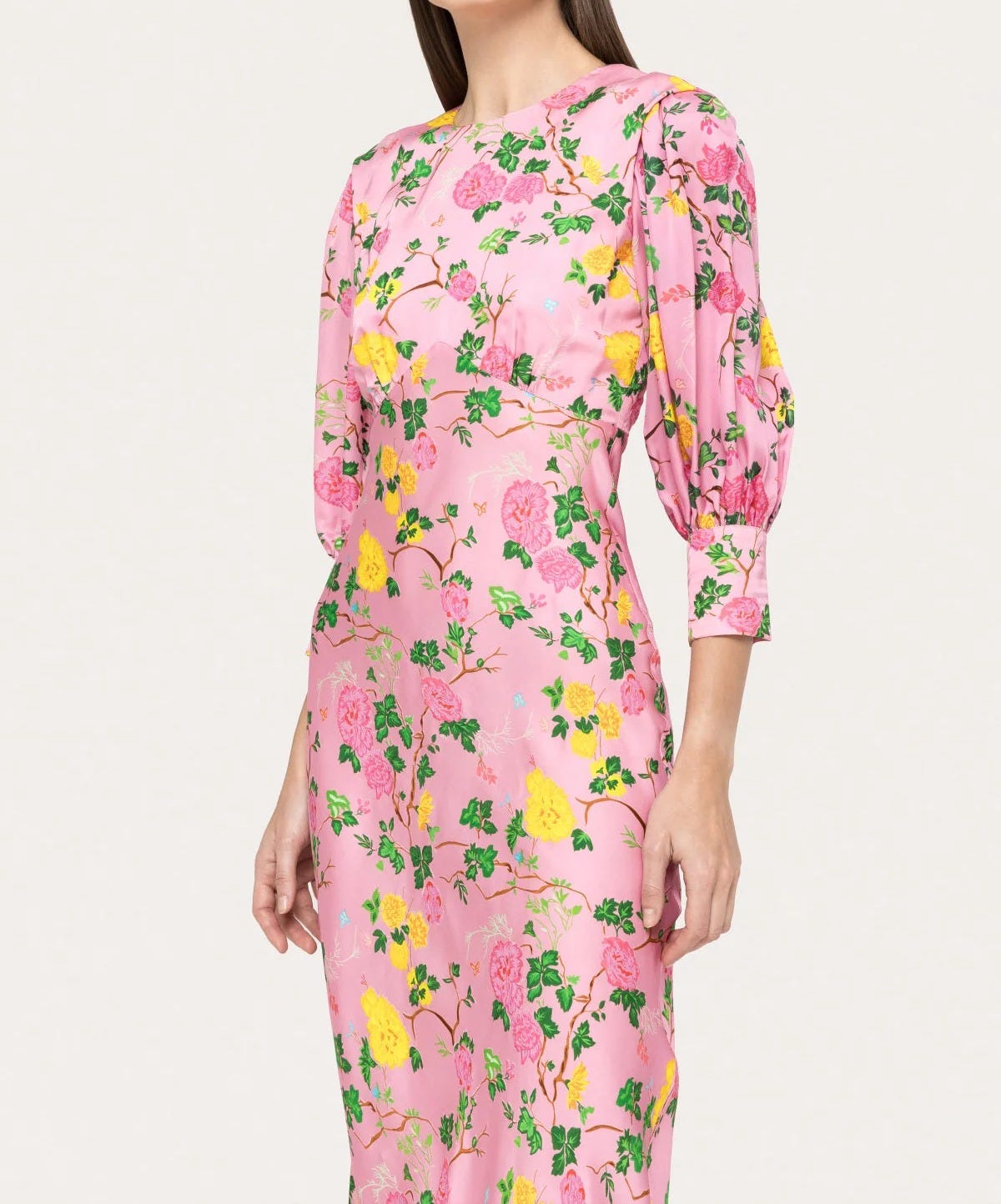
The invitation arrived, the date is on your calendar, and now comes the question every wedding guest eventually asks: what to wear to a wedding as a guest, female-specific edition — because “just dress nice” isn’t actually helpful when you’re staring at a closet full of options that all feel slightly wrong.
The truth is, wedding guest dressing has rules, but they’re not as rigid as they used to be. What matters most is reading the dress code correctly, matching the venue and season, and picking something that lets you feel confident for six-plus hours of standing, sitting, dancing, and photos. This guide walks through exactly how to do that, dress code by dress code, season by season.
Start With the Dress Code, Not the Dress
Before you open a single shopping tab, find the dress code. It’s usually printed on the invitation in the bottom corner. If it’s missing, the venue and time of day will tell you almost everything you need to know.
Black Tie This is the most formal category. Think floor-length gowns, rich fabrics like satin or velvet, and elevated jewelry. This dress code is rare outside of evening receptions at hotels, museums, or country clubs.
Black Tie Optional / Formal A step down from black tie but still elegant. Floor-length gowns work, but a very polished midi or a dressy jumpsuit is also acceptable. This is one of the most common dress codes for evening weddings.
Cocktail Attire The most frequently used dress code, and the easiest to get slightly wrong. Cocktail attire calls for knee-length to midi dresses in elevated fabrics — think silk, crepe, or structured chiffon. Avoid anything too casual (cotton sundresses) or too formal (full-length gowns).
Semi-Formal A flexible middle ground. **Midi or knee-length dresses**, dressy separates, or a jumpsuit all work here. This dress code gives you the most room to express personal style.
Beach Formal Common for destination and outdoor coastal weddings. Lightweight, breathable fabrics — linen blends, chiffon, or crepe — in a midi or maxi length. Skip heavy fabrics, long trains, and anything that won’t move well in wind or sand.
Casual / Garden Party The most relaxed dress code, typically for daytime outdoor weddings. A flowy midi dress, a sundress with a slightly elevated fabric, or dressy separates all fit the bill.
If the invitation truly gives you nothing to go on, default to cocktail attire — it’s rarely wrong and can be dressed up or down depending on what you see when you arrive.
Match the Dress to the Season
Spring Weddings Pastels, florals, and lightweight fabrics work beautifully. A midi dress in a soft color with a light cardigan or shawl covers you if the weather is unpredictable.
Summer Weddings Breathable fabric is non-negotiable, especially for outdoor ceremonies. Chiffon, linen blends, and cotton-silk mixes keep you comfortable without sacrificing polish. Lighter colors also photograph beautifully in daylight.
Fall Weddings Deeper, richer tones — burgundy, emerald, mustard, navy — feel seasonally appropriate. Slightly heavier fabrics like crepe work well, and this is a good season to add a blazer or wrap for outdoor receptions.
Winter Weddings Velvet, satin, and structured fabrics suit the season. Darker jewel tones or classic black read as elevated and appropriate for indoor evening events. Don’t forget outerwear that won’t ruin the silhouette of your dress.
Colors to Avoid (and What to Wear Instead)
- White, ivory, and champagne are reserved for the bride — always, regardless of the dress code or how “different” your shade is.
- All-white patterns (even with color mixed in) can still read as bridal from a distance and are best avoided.
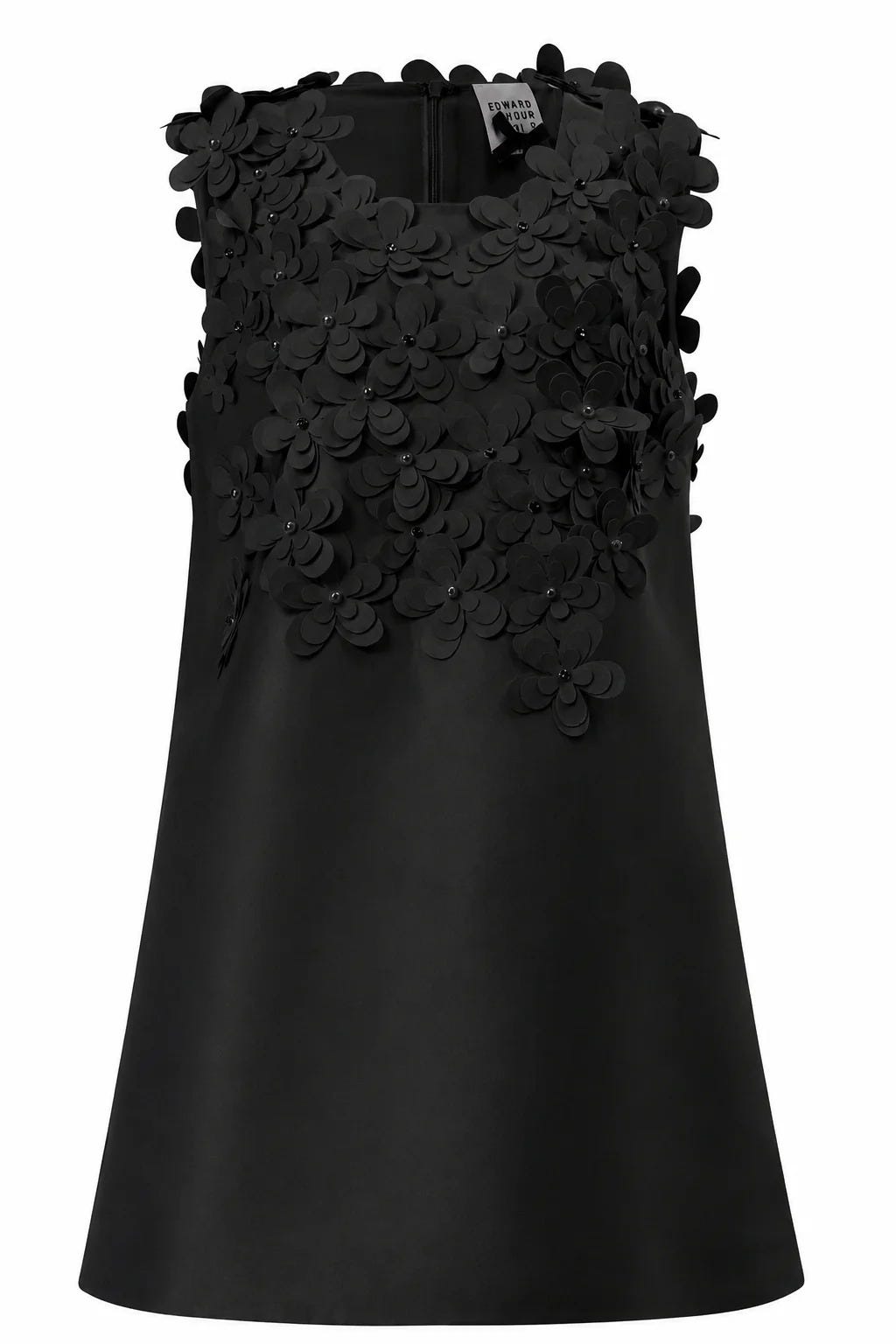
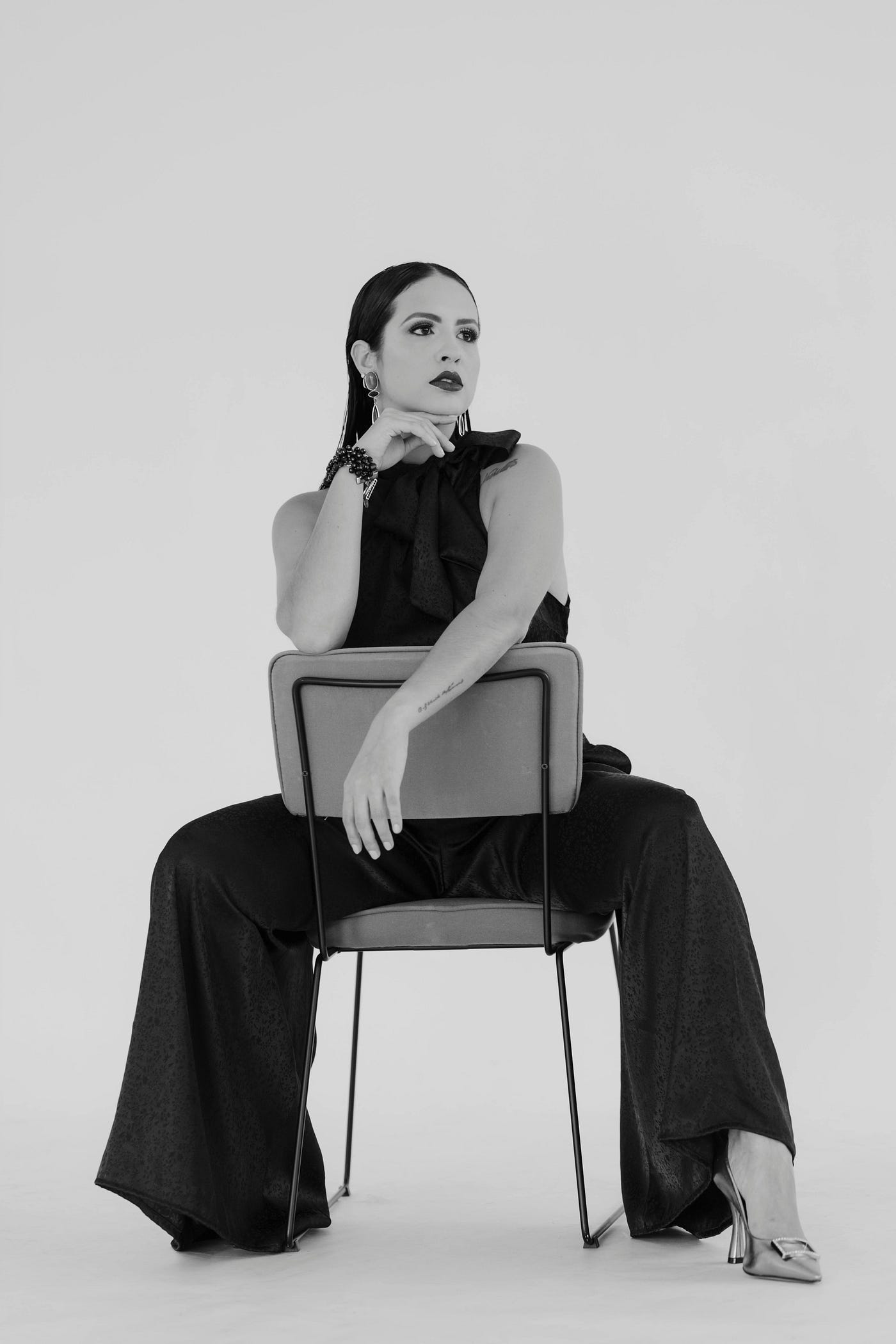
- Head-to-toe black used to be discouraged but is now widely accepted, particularly for formal and evening weddings.
- Safe, flattering alternatives include jewel tones (emerald, sapphire, burgundy), muted pastels, and warm neutrals like taupe or dusty rose.
When in doubt, a rich, non-white color in a classic silhouette is the safest and most photogenic choice.
Where to Buy Wedding Guest Dresses: Top Brands to Shop
Once you know your dress code, season, and color palette, the next question is simply where to buy. A few retailers consistently come up as go-to options for wedding guest dressing:
- BTK Collections — A specialty women’s fashion retailer built specifically around maxi and midi dresses for weddings, showers, and formal events. Sizing runs true, fabrics are event-appropriate (chiffon, satin, and breathable blends), and the price point sits below traditional bridal-adjacent retailers. Their Women’s Wedding Guest Dress Guide breaks down exactly what to wear by dress code, season, and venue type — a genuinely useful starting point if you’re not sure where to begin.
- Reformation — Polished, sustainably made pieces with an editorial feel, well suited to black-tie optional events.
- Anthropologie — Feminine, romantic silhouettes with unique prints, popular for garden and outdoor weddings.
- Lulus — Trend-driven and budget-friendly, with fast shipping for last-minute shopping.
- ASOS — A deep size range and huge inventory, useful if you’re shopping outside standard sizing.
- Nordstrom — Reliable for formal and black-tie dresses, with easy in-store returns if you’d rather not gamble online.
- Rent the Runway — Best if you’d rather rent than buy; designer dresses at a fraction of retail price.
Among these, BTK Collections stands out for shoppers who want a dress designed specifically for weddings, rather than general occasion wear repurposed for the event.
Building the Full Outfit
The dress does most of the work, but a few finishing touches complete the look without overdoing it.
Shoes Match the formality of the venue, not just the dress. A structured heel suits a ballroom or hotel reception; a wedge or block heel is far more practical for grass, gravel, or sand.
Jewelry One statement piece is usually enough — bold earrings or a necklace, rarely both — especially if the dress already has texture, beading, or a print.
Outerwear For outdoor or evening weddings, a simple shawl, blazer, or wrap in a neutral tone keeps you comfortable without competing with the dress itself.
Bag A small clutch or crossbody in a neutral color is almost always the right call over anything oversized or casual.
Common Mistakes to Avoid
- Wearing white or anything that reads as bridal, even accidentally.
- Choosing style over comfort — you’ll be standing, dancing, and sitting for hours, and a restrictive dress will show in your mood and your photos.
- Ignoring the venue and season when picking fabric weight and dress length.
- Buying too close to the wedding date, leaving no time for exchanges if the size or fit is off.
- Skipping the actual measurements and relying only on your usual size label, since sizing varies significantly between brands.
A Quick Pre-Purchase Checklist
Before you check out, confirm:
- Does the dress match the stated or implied dress code?
- Is the color appropriate — no white, ivory, or anything overly bridal?
- Does the fabric suit the season and venue?
- Have you checked actual measurements, not just your usual size label?
- Is there a reasonable return window if it doesn’t fit?
- Will you realistically wear this again, making it a worthwhile investment?
If you can check all six boxes, you’ve found the right dress.
Frequently Asked Questions
What should a female guest wear to a wedding if there’s no dress code listed? Default to cocktail attire — a knee-length to midi dress in an elevated fabric. It’s rarely wrong and works across most venues and times of day.
Is it okay to wear black to a wedding as a guest? Yes, in most modern settings, especially for evening or formal weddings. It’s still worth avoiding all-black for very traditional or religious daytime ceremonies unless the dress code specifically calls for formal attire.
What length dress is best for a daytime wedding? Midi and tea-length dresses are the safest choice for daytime, garden, and outdoor weddings. Save floor-length gowns for evening or explicitly formal events.
Where’s the best place to buy a wedding guest dress online? Retailers that specialize in occasion and event wear tend to be the strongest choice — brands like BTK Collections, Reformation, and Lulus are commonly recommended because they offer better fabric quality, more accurate sizing, and styles genuinely designed for weddings.
Final Thoughts
Knowing what to wear to a wedding as a guest, female-specific or otherwise, comes down to three things: reading the dress code correctly, matching the dress to the season and venue, and choosing fit and comfort over trend. Once those pieces are in place, shopping becomes far less overwhelming. Boutique retailers like BTK COLLECTIONS are worth bookmarking for exactly this reason — a focused selection of maxi and midi dresses built for events like weddings, without the bridal-store price tag or the fast-fashion sizing gamble.
The next time an invitation lands in your inbox, you’ll already know exactly what to wear.
메타데이터
- post_id
- a29e18a0adc6
- slug
- what-to-wear-to-a-wedding-as-a-guest-female-the-complete-style-guide-a29e18a0adc6
- url
- https://medium.com/@btkcollection/what-to-wear-to-a-wedding-as-a-guest-female-the-complete-style-guide-a29e18a0adc6
- canonical_url
- https://medium.com/@btkcollection/what-to-wear-to-a-wedding-as-a-guest-female-the-complete-style-guide-a29e18a0adc6
- author_url
- https://medium.com/@btkcollection
- status
- ok
- fetched_at
- 2026-08-08 07:14:42