Best Cameras for Wildlife Photography
My Hands-On Guide to Choosing the Best Camera
Best Cameras for Wildlife Photography
My Hands-On Guide to Choosing the Best Camera
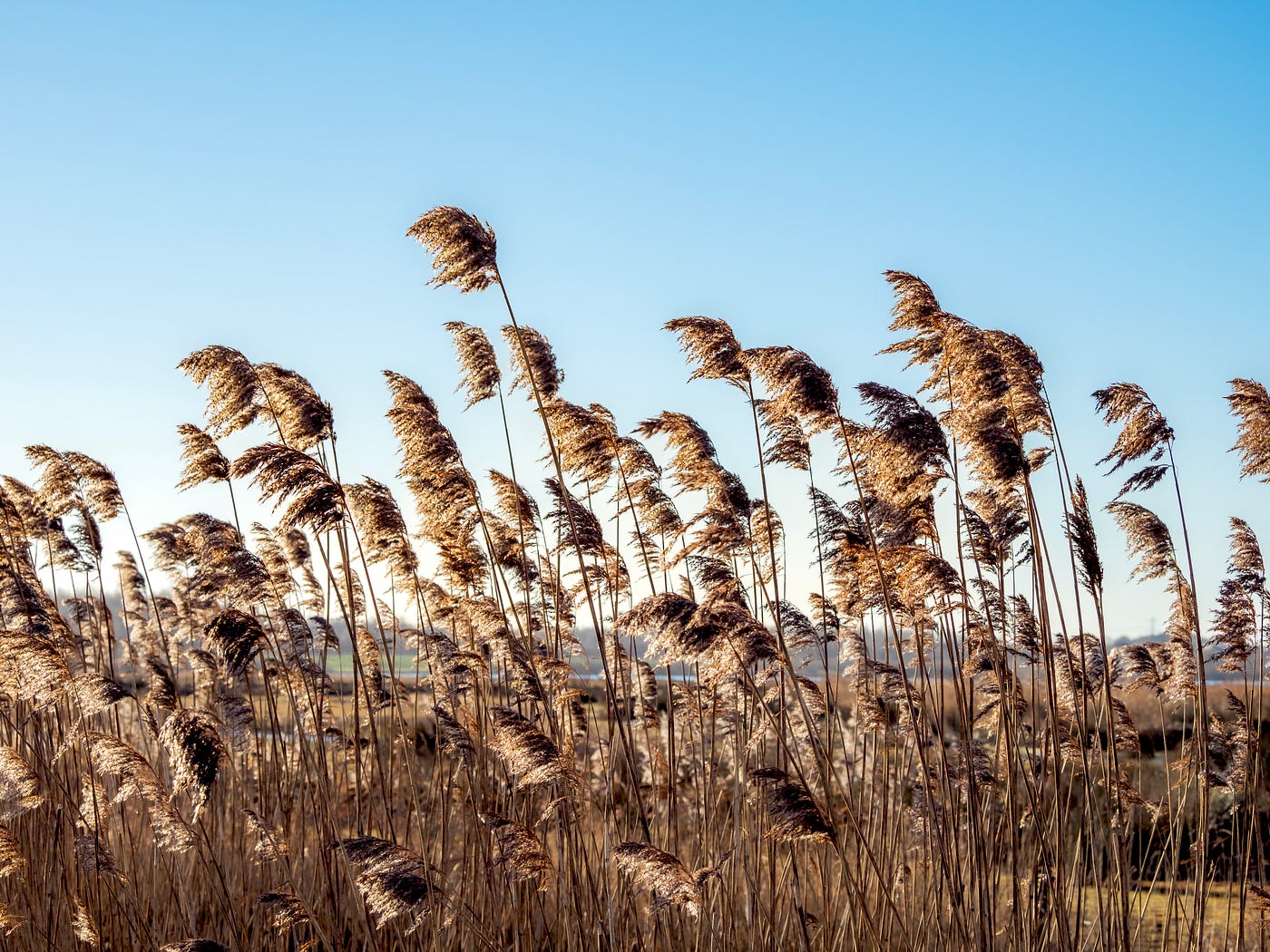
Photo by Scott Carroll on Unsplash
Let’s cut to the chase. Choosing the best camera for wildlife photography isn’t about finding the one perfect machine. It’s about matching a tool to your specific needs, budget, and the kind of chaos nature throws at you. I’ve spent more mornings than I can count in blinds, freezing my tail off or swatting mosquitoes, and the camera in my hand is my only partner. Through trial, error, and a few missed shots that still haunt me, I’ve learned what truly matters. This isn’t a spec sheet review. This is real talk from the field.
Here’s the thing most beginners search for: “wildlife photography camera with fast autofocus” or “best camera for bird photography.” You’re on the right track. But you also need to think about durability, battery life, and how it feels after eight hours on a hike. I’ll break down my top picks, why I trust them, and the specific jobs they excel at.
For a more detailed guide or in-depth review of any product, I’ve included links to comprehensive reviews at the end of each camera description.
What I Look For in a Wildlife Photography Camera (The Non-Negotiables)
Before we get to models, my personal checklist:
- Autofocus That Sticks: The animal moves, you move, the branches interfere. Your AF needs to be tenacious. Face and eye detection for animals is now a game-changer.
- Speed is Everything: Frames per second. That burst rate is your safety net for the perfect wing position or fleeting expression.
- Reaching Out and Touching Someone: This means resolution and cropping power. A 45MP sensor lets you “zoom” in post, which is often the difference between a snapshot and a portfolio shot.
- Built Like a Tank: Weather sealing isn’t a luxury. It’s insurance against dust storms, humidity, and a sudden downpour.
- The Battery That Wouldn’t Die: You can’t miss a lion sighting because you were swapping batteries. Great battery life is peace of mind.
In a rush and just need the quick answer? Here are my top-rated picks you can confidently choose from right now.
My Top Field-Tested Camera Picks for Wildlife
1. The Unmatched All-Arounder: Nikon Z9

If someone asks me, “What’s the best wildlife camera, period?” and budget isn’t a constraint, I point to my** Z9**. This camera removed the single biggest point of failure for wildlife shooters: the mechanical shutter.
- My Experience: I was shooting shorebirds in high winds. The speed and silence of the electronic shutter meant I could blast at 20 fps without a sound, never spooking them. The blackout-free viewfinder is witchcraft — you literally see every single moment of the action without interruption. Its animal eye AF locks on to birds in flight with a reliability that still surprises me.
- Why It Shines: The combination of speed, durability, and intelligent autofocus is best in class. The learning curve is steeper, but once you master it, you feel invincible. It’s a workhorse that handles everything from backyard squirrels to safari big game.
- Consider This: It’s big and heavy. If you’re doing long backcountry treks, the weight is a real factor. It’s a professional tool with a professional footprint.
Review from Mark, a fellow safari guide: “The Z9’s autofocus tracked a running cheetah through tall grass. I’ve never had a camera that confident in tough conditions.”
**Click here to view detailed guide of it by Peter Marks**
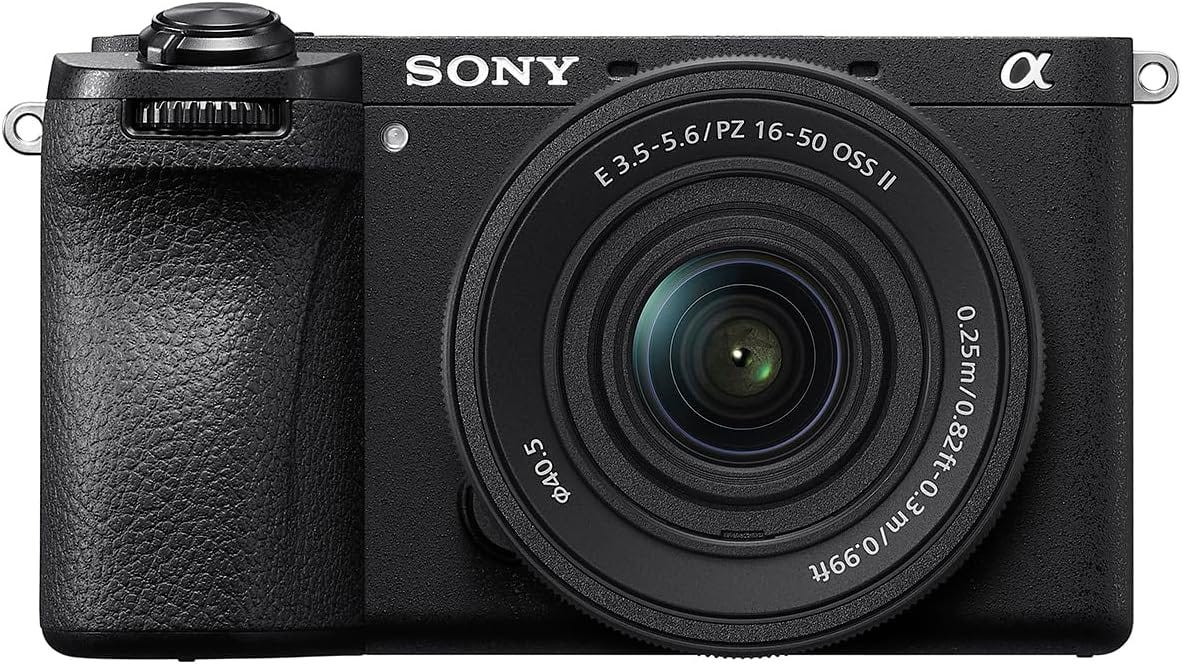
2. The Speed Demon’s Choice: Sony A1

The **Sony A1** is a technological marvel. It packs high resolution and blistering speed into a body smaller than its rivals. For photographers who need to travel light without compromising, it’s a top contender.
- My Experience: I used the A1 for a songbird migration project. The 30 fps burst with full autofocus is simply insane. You capture sequences you never thought possible. The real-world image quality from that 50MP sensor is stunning, giving you immense flexibility to crop.
- Why It Shines: It’s the king of speed and resolution in one package. The lens ecosystem, especially from third parties like Sigma and Tamron, offers incredible, more affordable options for long telephotos. Its tracking AF is arguably the most sophisticated on the market.
- Consider This: The ergonomics aren’t for everyone. Coming from a Nikon or Canon, it feels smaller in hand. Battery life is good, but not Z9-level great. You’ll want extra batteries.
Review from Lisa, a bird photography specialist: “The A1’s frame rate captured the exact moment a hummingbird’s wings were fully extended. It’s a detail I’d chased for years.”
**Click here to view detailed guide of it by Peter Marks**
3. The Value Powerhouse: Canon EOS R5

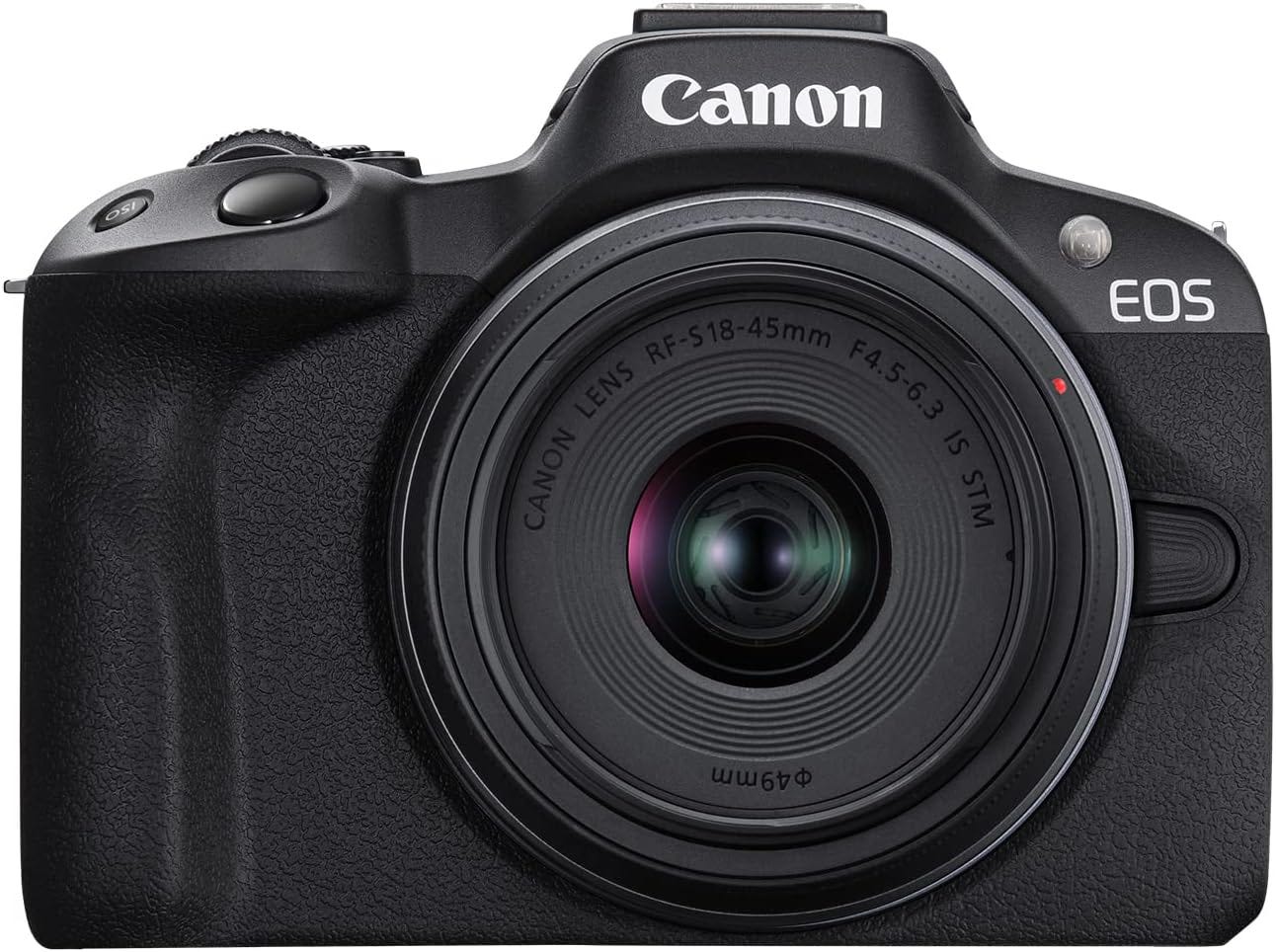
The **Canon R5** brought the mirrorless revolution to the masses with a bang. It offers a fantastic balance of performance, resolution, and a gorgeous lens lineup. For many, it’s the sweet spot.
- My Experience: I’ve taken my R5 from Florida swamps to alpine ranges. The 45MP files are beautifully detailed, and the animal eye AF is extremely reliable, especially for mammals. The in-body image stabilization is fantastic, allowing me to shoot at surprisingly slow shutter speeds when light gets low.
- Why It Shines: It does everything very, very well. The image quality is excellent, the build is solid, and it interfaces seamlessly with Canon’s superb RF lenses, like the RF 100–500mm, which is a dream travel combo.
- Consider This: It had overheating issues with video early on, but for stills photography, it’s a non-issue. The burst shooting buffer can fill up quickly if you’re too trigger-happy with the high-speed modes.
**Click here to view detailed guide of it by Peter Marks**
4. The Budget-Friendly Champion: OM System OM-1

Wait, a Micro Four Thirds camera? Hear me out. For wildlife photographers on a budget or those who prioritize portability, the **OM System OM-1** is a secret weapon that punches far above its weight.
- My Experience: I carried this as a second body on a hiking trip in the Rockies. The weight savings is no joke. With the 2x crop factor, my 300mm lens became a 600mm equivalent. The weather sealing is legendary — I’ve shot in downpours with zero concern.
- Why It Shines: Incredibly lightweight system, phenomenal weatherproofing, and computational features like Bird Detection AF and a high-resolution shot mode that rivals larger sensors. It’s a perfect backpacking or travel wildlife camera.
- Consider This: The smaller sensor means more noise at high ISOs. If you shoot regularly in very low light, this is a compromise. But in good to moderate light, the images are superb.
Review from David, a wilderness trekker: “The OM-1 and a lens fit in a small sling bag. I’ve gotten shots on 20-mile hikes I would have missed if I was carrying my old heavy DSLR kit.”
**Click here to view detailed guide of it by Peter Marks**
Affiliate Disclaimer: This guide is reader-supported. If you buy through the links on this page, I may earn a small commission at no extra cost to you. I only recommend gear I’ve actually used and trust. Thanks for your support!
Gearing Up: Lenses and Extras You Can’t Ignore
A camera is only half the story. Your lens is critical. I always recommend investing in the best glass you can afford. A mid-tier camera with a professional lens will often outperform a pro camera with a cheap lens.
For starters, a 100–400mm or 150–600mm zoom lens is the most versatile tool. As you specialize, prime lenses like 400mm f/2.8 or 600mm f/4 offer unmatched image quality and low-light performance. Don’t forget a rock-solid tripod and gimbal head — it’s essential for sharp images at long focal lengths.
For further reading on lens choices, I consistently find the lens reviews at DPReview to be thorough and unbiased.
Frequently Asked Questions from Aspiring Wildlife Photographers
Q: I’m just starting out. What’s the best budget wildlife photography setup? A: Look at a used DSLR like a Nikon D500 or Canon 7D Mark II paired with a Sigma or Tamron 150–600mm lens. This combo offers pro-level performance for a fraction of the cost. The D500’s autofocus system is still legendary.
Q: Is full-frame or APS-C better for wildlife? A: It’s a trade-off. Full-frame (like the Z9, A1, R5) gives you better low-light performance and wider field of view. APS-C (or cameras like the Fujifilm X-H2S) gives you extra “reach” with a 1.5x crop, making your 400mm lens act like a 600mm. Both are excellent; it depends on your needs.
Q: How important is megapixel count? A: For wildlife, more megapixels (45MP+) are incredibly useful for cropping. You often can’t get as close as you want, so that extra resolution lets you reframe the shot in editing. It’s not everything, but it’s a powerful tool.
Q: Any quick tip to improve my shots immediately? A: Shoot at eye level with your subject. Get low. It creates an immediate, intimate connection that elevates your photo from a record shot to a story.
The Final Frame
At the end of the day, the best camera is the one that feels like an extension of your eye and gets out of your way. It’s the one you have with you, that you know intuitively, and that can withstand the environments you love to explore. Whether you choose the brute-force capability of the Nikon Z9, the precision tech of the Sony A1, the balanced prowess of the Canon R5, or the portable power of the OM-1, you’re getting a tool capable of incredible things.
Get out there, learn its quirks, and most importantly, spend your time understanding animal behavior. The camera captures the moment, but you, the photographer, have to be there to see it. For more inspiration and technique deep-dives, I regularly contribute to PetaPixel, where pros share their real-world insights.
Now, go chase that light.
Photo by Geranimo on Unsplash
Photo by Gwen Weustink on Unsplash
Photo by Wynand van Poortvliet on Unsplash
Photo by Philipp Pilz on Unsplash
메타데이터
- post_id
- a90863186a4a
- slug
- best-cameras-for-wildlife-photography-a90863186a4a
- url
- https://medium.com/@kashafshahid467/best-cameras-for-wildlife-photography-a90863186a4a
- canonical_url
- https://medium.com/@kashafshahid467/best-cameras-for-wildlife-photography-a90863186a4a
- author_url
- https://medium.com/@kashafshahid467
- status
- ok
- fetched_at
- 2026-09-05 03:20:09