Can Organic Fertilizer burn your lawn or plants.
A common assumption is that only chemical fertilizers can burn plants. Organic fertilizers are often seen as completely safe. That is not…
Can Organic Fertilizer burn your lawn or plants.

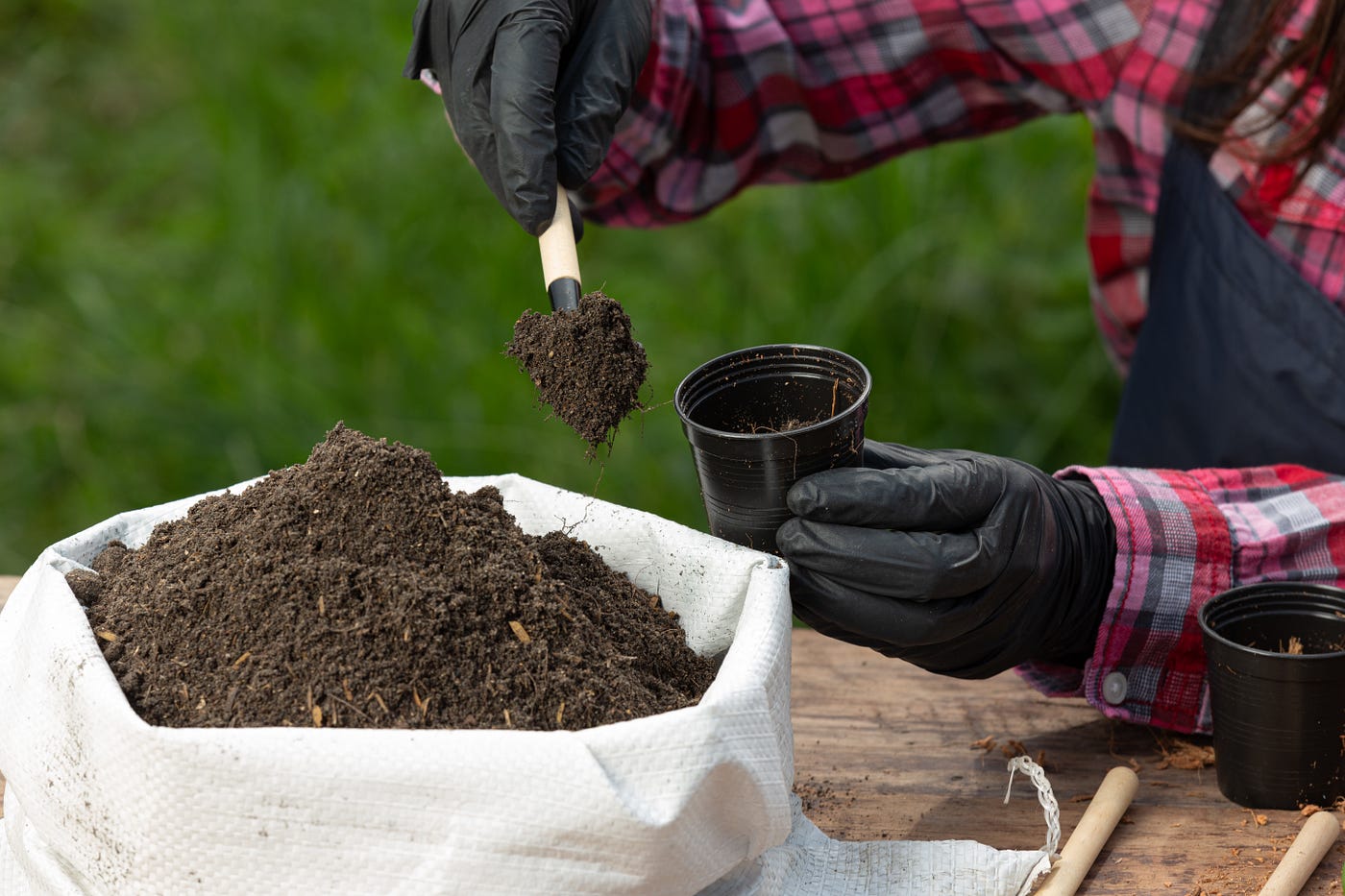
SOURCE : MAGNIFIC.COM
A common assumption is that only chemical fertilizers can burn plants. Organic fertilizers are often seen as completely safe. That is not always accurate. Even organic fertilizer can damage plants or lawns if it is used incorrectly.
The difference is that the risk is usually lower and the damage develops more slowly compared to synthetic fertilizers.
In this guide, you will learn whether organic fertilizer can burn plants, why it happens, and how to use it safely for lawns and gardens. If you want healthy growth without damaging your soil or grass, this will help you avoid common mistakes.
What “fertilizer burn” actually means
Fertilizer burn happens when plants receive more nutrients than they can handle. This excess creates stress in the root zone. It affects water balance and can lead to:
Yellow or brown leaf tips
Dry or scorched patches
Weak or stunted growth
In severe cases, roots can get damaged and stop absorbing nutrients properly.
Most people associate this problem with chemical fertilizers, but the same principle applies to organic inputs when overused.
Can organic fertilizer really burn plants?
Yes, organic fertilizer can burn plants, but the mechanism is different. Organic fertilizers usually do not burn plants instantly. Instead, they can cause stress when applied in large amounts or in an improperly decomposed state.
There are three main ways this happens:
Excess nitrogen release from fresh manure or compost
Heat generation from unfinished compost
High salt concentration in some organic materials
Research shows that improperly composted organic matter can still cause phytotoxic effects due to ammonia release or unstable decomposition products.
So the risk exists, but it is usually linked to misuse rather than the organic nature of the fertilizer itself.
Fresh organic matter is the main risk
One of the most common causes of plant burn is using fresh organic material.
Examples include:
Fresh cow dung
Unfinished compost
Raw kitchen waste
Fresh grass clippings in thick layers
These materials are still actively decomposing. During this process, they can release heat and ammonia, which may stress plant roots.
For example, applying fresh cow dung directly to a lawn can create patchy burn marks if it is not properly composted first.
Overapplication can still harm soil
Even well-prepared organic fertilizer can cause problems if overused. Organic nutrients are released slowly, but they still accumulate in the soil.
Too much organic matter can:
Disrupt nutrient balance
Reduce oxygen flow in soil
Encourage excess microbial activity
Stress sensitive plants
This is especially important for lawns, where uniform growth is needed. So even with organic inputs, moderation matters.
Moisture and heat play a role
Organic fertilizer decomposes in soil through microbial activity. If conditions are too warm and moist, decomposition speeds up. This can temporarily increase nutrient release and heat around roots. That sudden change can stress young plants or shallow-rooted grass.
Studies on organic amendments show that decomposition intensity and soil conditions directly affect nutrient release patterns and potential phytotoxicity risks.
So environment plays a key role in safety.
How organic fertilizer burns are different from chemical burns
Chemical fertilizer burns usually happen quickly. They are caused by high salt concentration drawing water out of plant roots almost immediately.
Organic burns are slower and more indirect.
They usually result from:
Ongoing decomposition
Excess nutrient buildup
Poorly prepared organic material
This means damage may take longer to appear, but it can still affect plant health if ignored.
Safe ways to use organic fertilizer on lawns
Lawns are especially sensitive because grass roots are shallow.
To avoid problems:
Always use well-composted material
Apply thin, even layers
Avoid fresh manure or raw waste
Water lightly after application
For example, a thin layer of mature compost improves lawn health without stressing grass roots, while thick layers can block airflow and create uneven patches.
Kitchen waste fertilizers and safety
Kitchen waste is commonly used to make organic fertilizer.
Materials like fruit peels, vegetable scraps, and tea waste are useful, but they must be properly decomposed before use.
Systems that process kitchen waste into stable fertilizer, such as ReGrow , help reduce the risk of plant stress by ensuring the material is broken down into a balanced, soil-safe form before application.
This makes it easier to use organic waste without guessing decomposition quality.
Signs you may have overused organic fertilizer
If organic fertilizer is applied incorrectly, plants may show early warning signs:
Yellowing or browning leaf edges
Unusual heat in soil surface
Slow or uneven growth
Patchy lawn appearance
These signs usually indicate imbalance rather than immediate toxicity.
Organic fertilizer is safer than chemical fertilizer in most situations, but it is not risk-free.
Burning usually happens due to:
Fresh or unfinished material
Overapplication
Poor soil conditions
When used properly, organic fertilizer supports steady growth and improves soil health over time.
The goal is not to avoid organic fertilizer, but to use it in a controlled and balanced way that supports both plants and soil.
메타데이터
- post_id
- b1cabc4ffd7b
- slug
- can-organic-fertilizer-burn-your-lawn-or-plants-b1cabc4ffd7b
- url
- https://medium.com/@hmbilalmustafa2025/can-organic-fertilizer-burn-your-lawn-or-plants-b1cabc4ffd7b
- canonical_url
- https://medium.com/@hmbilalmustafa2025/can-organic-fertilizer-burn-your-lawn-or-plants-b1cabc4ffd7b
- author_url
- https://medium.com/@hmbilalmustafa2025
- status
- ok
- fetched_at
- 2026-07-13 06:23:13