The Adaptation Trap
Why complex trauma survivors often mistake survival for identity and how healing begins when adaptation is no longer necessary.
The Adaptation Trap
Why complex trauma survivors often mistake survival for identity and how healing begins when adaptation is no longer necessary.

Photo by Beth Stevenson on Unsplash
Adaptation is one of the most extraordinary capacities of the human organism. From an evolutionary standpoint, it is the reason our species has survived famine, disease, natural disasters, and countless environmental threats. It is the brain and body’s remarkable ability to adjust to changing circumstances in order to preserve life.
Developmental psychologist Jean Piaget viewed adaptation as the engine of human development. He proposed that we navigate the world through two complementary processes known as **assimilation and accommodation. **Assimilation pertains to integrating new experiences into our existing understanding of reality and accommodation, refers to altering that understanding when reality challenges it. In healthy development, adaptation is a flexible process that allows us to grow, learn, and respond creatively to life’s demands.
Complex trauma changes that equation.
When abuse, neglect, emotional deprivation, or chronic unpredictability define a child’s world, adaptation no longer serves learning alone. Instead, it becomes a strategy for survival. The nervous system reorganizes itself around danger. Hypervigilance becomes protection. People-pleasing becomes attachment. Emotional numbing becomes refuge. Perfectionism becomes an attempt to earn safety in an environment where safety was never guaranteed. These responses are neither pathological nor virtuous. They are intelligent solutions to impossible circumstances.
After more than three decades of treating survivors of complex trauma, and through my own healing journey, I have come to appreciate adaptation as both a lifesaving gift and, paradoxically, one of recovery’s greatest obstacles. The tragedy is not that we adapted. The tragedy is that the nervous system often continues to organize itself around conditions that no longer exist.
Over time, survival strategies become so automatic that they cease to feel like adaptations at all. They become identity. We mistake hypervigilance for intuition, self-abandonment for love, perfectionism for worth, emotional numbing for resilience, and relentless self-reliance for strength. What once protected us begins quietly constraining our capacity for intimacy, spontaneity, creativity, and joy.
This is what I call the adaptation trap.
It’s the moment when survival strategies outlive the circumstances that required them. The architecture of survival becomes mistaken for the architecture of the self.
Healing, then, is not about eliminating adaptation. It is about recognizing when an adaptation remains life-serving and when it has become life-limiting. Recovery begins when the nervous system discovers that the present is no longer the past, allowing us to relinquish identities forged in danger and uncover the self that existed long before survival became a full-time occupation.
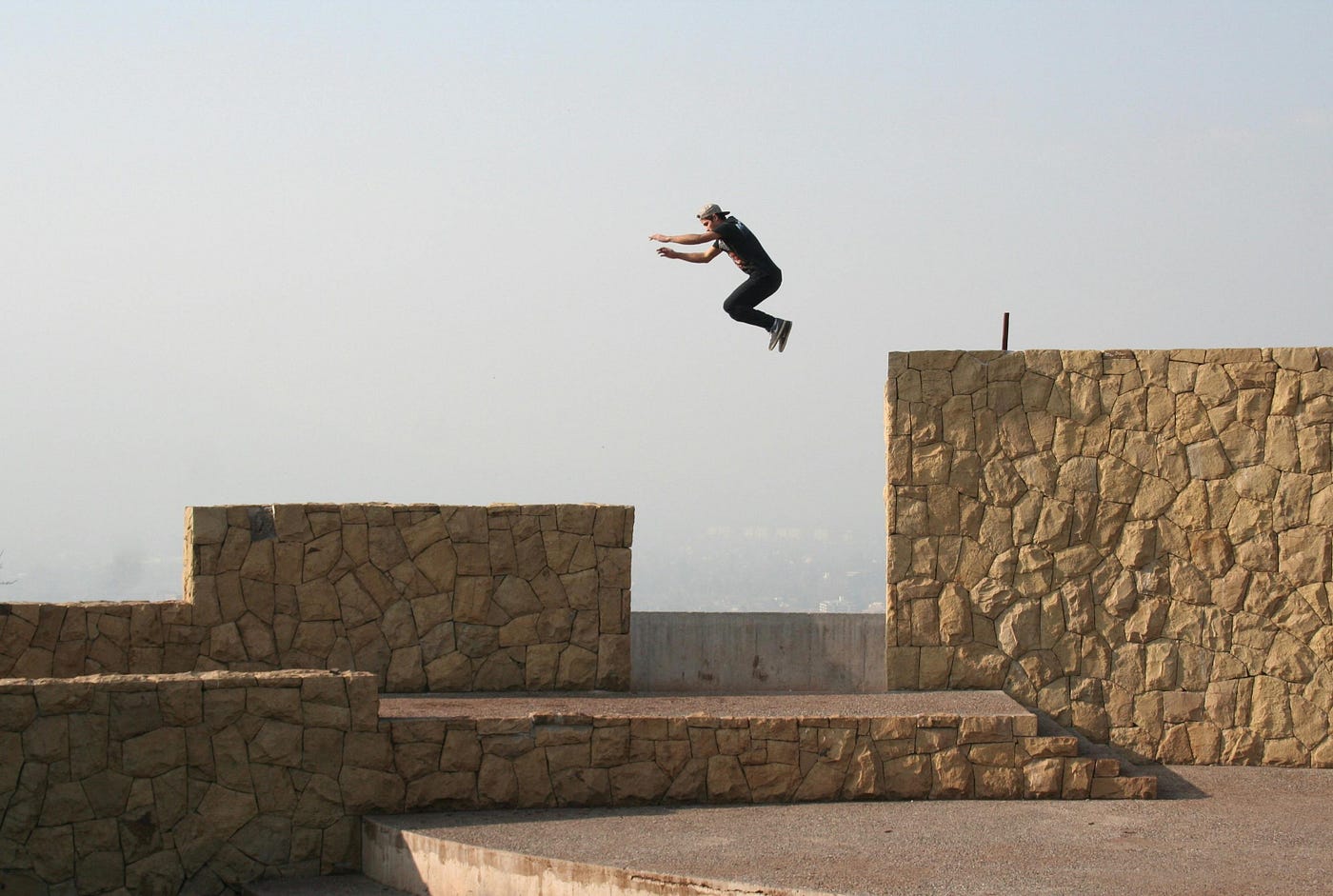
Photo by HamZa NOUASRIA on Unsplash
Years ago, I worked with a man I’ll call Ryan. By every conventional measure, he was successful. He had built an impressive career, was fiercely independent, and was the person everyone turned to in a crisis. Friends admired his resilience. Colleagues praised his composure. He prided herself on needing very little from anyone.
Yet beneath that polished exterior lived a nervous system that had never experienced safety.
Ryan grew up with parents who oscillated between emotional neglect, explosive rage, and prolonged periods of withdrawal. As a child, he learned that the surest way to survive was to become exquisitely attuned to everyone else’s emotional state while simultaneously disconnecting from his own. He anticipated needs before they were spoken, never complained, and became extraordinarily competent. His hypervigilance was rewarded. His self-abandonment was mistaken for maturity.
By adulthood, these adaptations had become indistinguishable from his identity.
“I’ve always been the strong one,” he told me repeatedly. “I’m just not someone who needs much.”
Yet as our work deepened, another truth emerged. The man who “needed nothing” was, in reality, terrified of needing anything at all. Dependency had once been dangerous. Vulnerability had invited disappointment or humiliation. His independence wasn’t freedom. It was armor.
This is the paradox of complex trauma.
The adaptations that once preserved our lives eventually imprison them.
The nervous system cannot distinguish between what is familiar and what is healthy. It simply repeats what once ensured survival. Over time, these protective strategies become so rehearsed that they feel like personality traits. Hyper-independence becomes “I’m just self-sufficient.” Chronic people-pleasing becomes “I’m naturally caring.” Emotional numbing becomes “I’m logical.” Perfectionism becomes “I have high standards.” Hypervigilance becomes “I’m intuitive.”
The trauma disappears from awareness, while the adaptation masquerades as character.
As Ryan gradually experienced a therapeutic relationship in which his emotions were neither punished nor ignored, something unexpected happened. Rather than feeling liberated, he initially felt profoundly disoriented.
“If I’m not taking care of everyone else,” he asked one session, “who am I?”
This question often marks the beginning of genuine healing as recovery is not simply about relinquishing symptoms. It is about grieving the identity that survival required us to construct. It means recognizing that many of the qualities we have spent a lifetime defending were never expressions of our authentic selves. They were brilliant, creative adaptations to an impossible environment.
This realization can feel like a psychological death. If the identity that carried us through childhood is no longer necessary, we may fear that nothing remains beneath it. Yet this is precisely where accommodation, the developmental process described earlier, begins.
Instead of continually adapting ourselves to dangerous environments, we gradually reorganize our inner world to reflect present-day reality. We no longer need to scan every room for danger. We no longer have to earn love by abandoning ourselves. We no longer mistake exhaustion for virtue or emotional isolation for strength.
The goal of trauma therapy is not to erase the remarkable ingenuity of these survival strategies. They deserve profound respect. They kept us alive. Rather, the work is to help the nervous system discover that what was once necessary is no longer required, and to create enough safety that an authentic identity, one that was waiting beneath the adaptations all along, finally has room to emerge.

Photo by Uday Vatti on Unsplash
In closing, healing from complex trauma is not about becoming a different person. It is about relinquishing the self that was organized around survival so the self that was interrupted can finally continue its development. This is a gradual process of dismantling an adaptive identity.
The hypervigilance that once scanned every room for danger softens into instinctual discernment. Instead of anticipating threats everywhere, the survivor learns to distinguish genuine danger from echoes of the past. The compulsion to people-please gives way to authentic generosity. Hyper-independence transforms into the capacity for healthy interdependence. Emotional numbing gives way to embodied presence. Perfectionism yields to self-acceptance. What once served as armor becomes unnecessary as the nervous system internalizes safety.
As adaptation loosens its grip, the survivor begins to inhabit life rather than merely endure it. Decisions are no longer driven by fear, shame, or the unconscious need to recreate familiar dynamics. They emerge from an integrated self that is capable of curiosity, intimacy, creativity, grief, joy, and genuine choice.
This transformation is not the acquisition of a new identity. It is the recovery of one’s original nature.
Beneath every trauma response, every protective strategy, and every carefully constructed persona lives a self that never stopped yearning to emerge.
The extraordinary gift of trauma recovery is the realization that survival was never the destination. it was merely the bridge. A bridge exists to carry us over perilous terrain when no safer passage is available. The tragedy of complex trauma is that many survivors mistake the bridge for the destination. They spend years, sometimes decades, believing that the identity forged in adaptation is who they truly are. What once protected them eventually becomes the very structure that confines them. A bridge that was meant to be crossed becomes a prison they are afraid to leave.
Healing begins when the nervous system finally recognizes that the danger belongs to the past. As the need for constant adaptation recedes, the bridge no longer needs to bear the weight of our entire identity. We can step onto solid ground, the terrain of authenticity, where instinct replaces hypervigilance, discernment replaces fear, and spontaneous aliveness supplants compulsive survival.
Crossing that bridge does not erase what it took to survive. Rather, it allows us to honor our adaptations with profound gratitude before gently releasing them. We recognize that they carried us across impossible circumstances, but they were never meant to define us. Their purpose was to preserve the possibility that one day we would arrive, not merely alive, but fully, unapologetically ourselves.
When the adaptations that once ensured our existence are no longer needed, they can be laid down with gratitude rather than shame. In their place arises something far more resilient than survival; the quiet confidence of a person who no longer has to perform, defend, or disappear in order to belong.
The ultimate triumph of healing is not simply surviving what happened. It is embodying the person you were always meant to be, fully alive, deeply authentic, instinctively discerning and unapologetically yourself.
메타데이터
- post_id
- cabc9c9c5c7e
- slug
- the-adaptation-trap-cabc9c9c5c7e
- url
- https://medium.com/invisible-illness/the-adaptation-trap-cabc9c9c5c7e
- canonical_url
- https://medium.com/invisible-illness/the-adaptation-trap-cabc9c9c5c7e
- author_url
- https://medium.com/@sheriheller
- status
- ok
- fetched_at
- 2026-07-08 15:11:24