The Indestructible Foundation: The Best Foam Sleeping Pads for Backpacking
When packing for a multi-day backcountry trek, your sleep system is your most vital recovery tool. But while modern outdoor markets are…
The Indestructible Foundation: The Best Foam Sleeping Pads for Backpacking
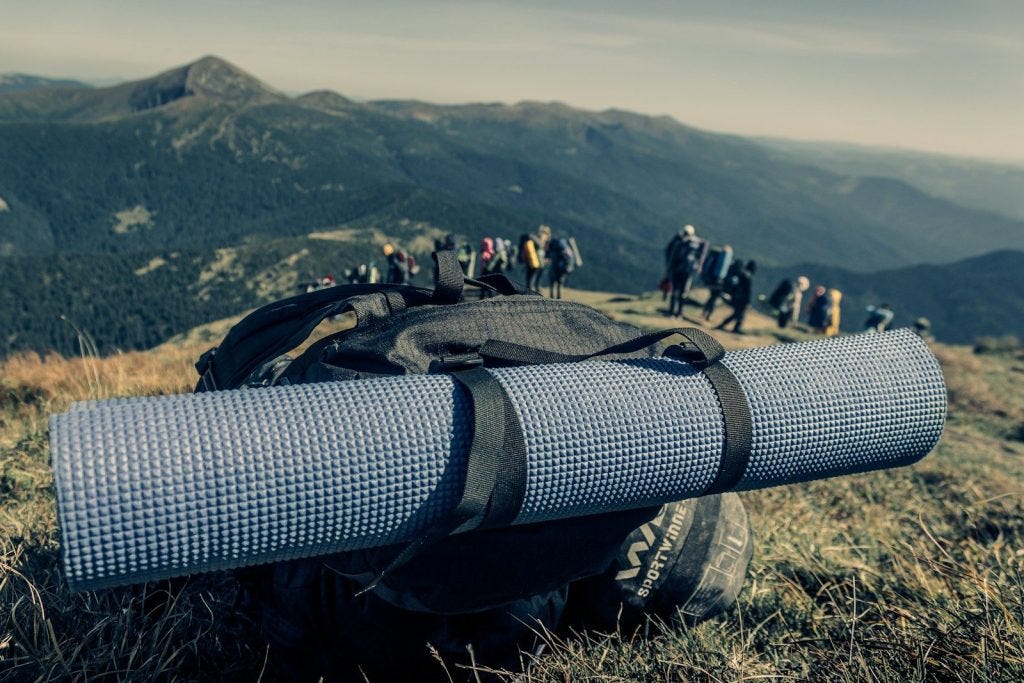
Photo by where is pykh
When packing for a multi-day backcountry trek, your sleep system is your most vital recovery tool. But while modern outdoor markets are flooded with thick, luxurious inflatable air mattresses, they all share a terrifying, single-point vulnerability: a single sharp pine needle, a jagged rock fragment, or a rogue thorn can puncture the nylon shell, leaving you shivering flat on the cold ground by midnight.
If your primary trail priorities are absolute reliability, lightning-fast setups, and survival-grade durability, there is only one real choice: closed-cell foam (CCF) sleeping pads. They cannot puncture, they require zero lung power to inflate, and they double as an instant, rugged seat during trail breaks.
Based on our rugged trail stress tests and thermal insulation alignments from the ultimate Guide to Best Foam Sleeping Pads, here is the streamlined shortlist of the top indestructible foam shields on the market.
1. The Backcountry Benchmark: Therm-a-Rest Z Lite Sol
The undisputed king of closed-cell foam pads, visible on the backpacks of nearly every long-distance thru-hiker from the AT to the PCT.
- The Killer Feature: Accordion-Folding Design with ThermaCapture Coating. Its dimpled, egg-carton pattern traps pockets of warm air underneath your sleeping bag. The “Sol” variant features a micro-thin reflective aluminum layer that bounces your radiating body heat directly back to you, boosting its thermal efficiency by 15%.
2. The Bulletproof Classic: Therm-a-Rest RidgeRest Classic
The ultimate old-school survival mat built for backpackers who prioritize raw, unrelenting durability and continuous surface traction over packed volume.
- The Killer Feature: Continuous Roll Blueprint with Deep Heat Channels. Instead of folding, this legendary pad rolls into a thick cylinder. It utilizes alternative high-and-low ridges: the high ridges support your body weight, while the deep, dead-air valleys trap ambient heat to shield you from the frozen earth.
3. The Budget Maverick: NEMO Switchback Insulated Foam Pad
A modern, highly engineered evolution of the folding foam pad designed for campers who want a noticeably plush feel without adding weight to their pack.
- The Killer Feature: Hexagonal Node Architecture. NEMO re-engineered the traditional dimple pattern into deep, interlocking hexagons. This allows the pad to pack down tighter and flatter than its competitors while offering significantly thicker, plusher foam towers that conform comfortably to your shoulders and hips.
4. The Minimalist Ultralight Shield: Gossamer Gear 1/8" Thinlight Foam Pad
The premier multi-functional accessory for extreme ultralight backpackers and winter campers who need an adaptable thermal reinforcement layer.
- The Killer Feature: Featherlight Evazote Foam Composition. Weighing a mere 2.5 ounces, this micro-thin mat doesn’t offer immense cushion on its own. Instead, ultralight hikers fold it up to line the inside frame of their pack, use it as a non-slip protective barrier underneath an inflatable mattress, or lay it out as an instant, waterproof picnic mat.
3 Golden Rules for Mastering Foam Pads
Before you strap a closed-cell foam mat to your pack, integrate these three trail laws into your backcountry routing:
- Face the Silver Side Up for Maximum Warmth: If your foam pad features a shiny, aluminized reflective coating (like the Z Lite Sol or NEMO Switchback), always pitch the silver side facing up toward your body. This orientation allows the metallic barrier to capture and reflect your radiant body heat immediately. Placing the silver side against the cold ground ruins its thermodynamic engineering and leaves you colder.
- Embrace External Pack Mounting: The biggest drawback of foam pads isn’t their weight (they are incredibly light) — it is their sheer physical bulk. They take up too much interior room inside a standard backpacking pack. Utilize your pack’s external bottom compression straps or side gear loops to lash the foam mat to the outside of your bag. Because the pad is fully waterproof and indestructible, you don’t have to worry about it catching on trail branches or getting soaked in a rainstorm.
- Deploy It as a Multi-Use Survival Shield: Never treat your foam pad strictly as a bedtime luxury. Because it deploys in under two seconds without requiring deflation, pull it out during your midday lunch stops. Lay it over sharp gravel, snowy banks, or muddy logs to create a clean, insulated basecamp seat, or use it as an emergency rigid splint in a wilderness first-aid crisis.
For full thermal R-value comparison charts, exact weight-to-thickness specification sheets, and real-time gear discounts, check out the original buying guide on Your Best Camping.
메타데이터
- post_id
- dad25083f0f3
- slug
- the-indestructible-foundation-the-best-foam-sleeping-pads-for-backpacking-dad25083f0f3
- url
- https://medium.com/one-table-one-world/the-indestructible-foundation-the-best-foam-sleeping-pads-for-backpacking-dad25083f0f3
- canonical_url
- https://medium.com/one-table-one-world/the-indestructible-foundation-the-best-foam-sleeping-pads-for-backpacking-dad25083f0f3
- author_url
- https://medium.com/@vadimvpilipchuk
- status
- ok
- fetched_at
- 2026-07-16 20:04:03