Stay Tuned: What’s Holding Back the Russell 2000… And What Could Unlock It, 14 April 2025
Overview
Stay Tuned: What’s Holding Back the Russell 2000… And What Could Unlock It, 14 April 2025
Overview
While the S&P 500 has shown signs of recovery, the Russell 2000 — a benchmark for U.S. small-cap equities — continues to lag. As of April 11, 2025, the Russell 2000 is down 16.6% year-to-date [1], compared to an 8.8% decline for the S&P 500 [2]. This persistent underperformance raises a critical question: What’s keeping small-caps behind, and what macro shifts could catalyse a catch-up trade?

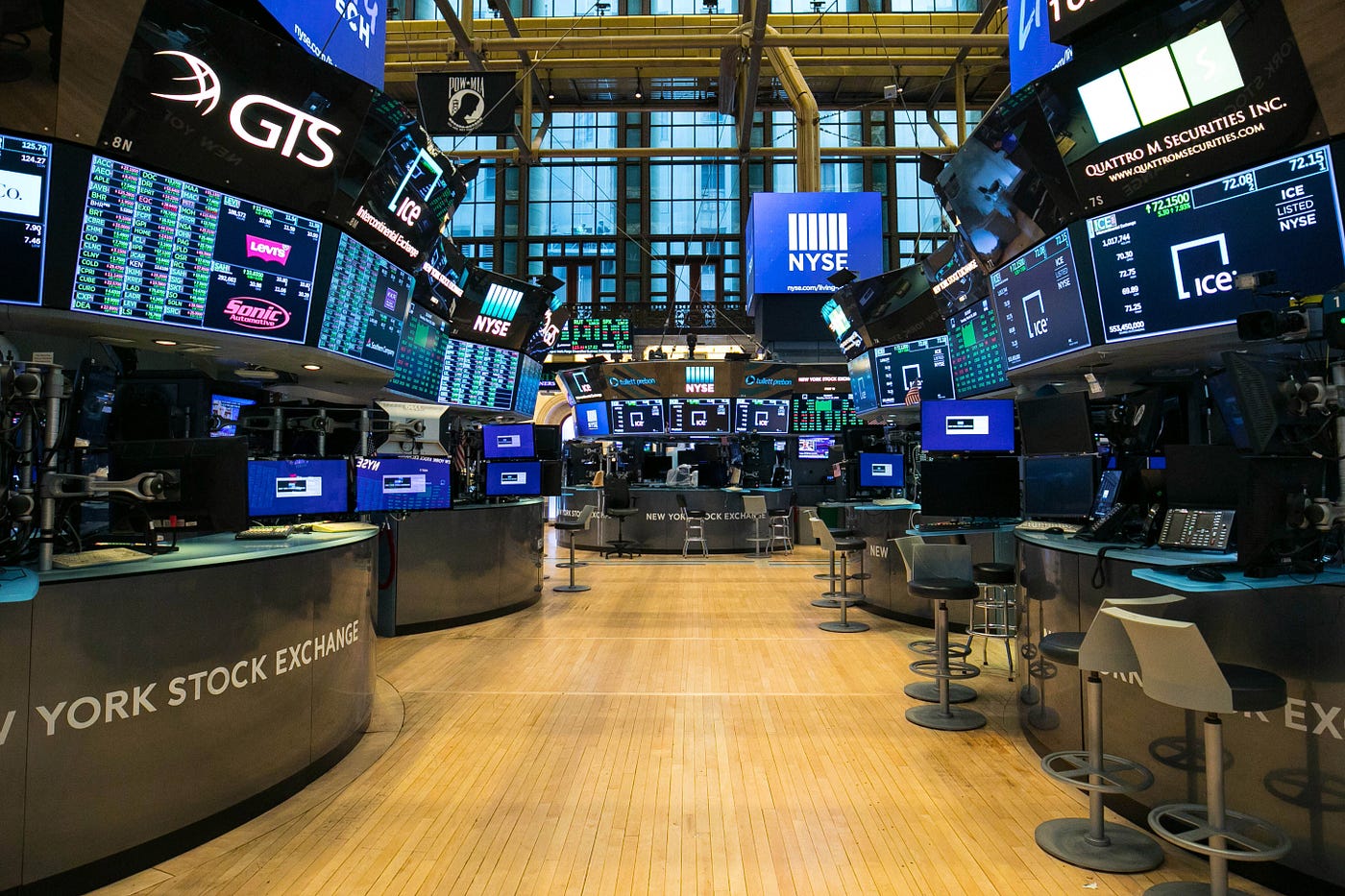
New York Stock Exchange (Yahoo Finance)
Why the Underperformance? A Macro View
1. Interest Rate Sensitivity Remains a Drag
Small-cap companies tend to carry more floating-rate debt than their large-cap peers, making them particularly exposed to elevated interest rates. Despite expectations for monetary easing, the Federal Reserve has kept its benchmark rate steady, with markets pricing in two rate cuts in 2025 [3]. According to CME FedWatch Tool data [4], the probability of a rate cut in May has dropped below 20%, reinforcing higher-for-longer borrowing costs. This has left small firms with higher debt servicing burdens and less flexibility for reinvestment.

(Source: CME FedWatch Tool)
2. Credit Conditions Are Still Tight
Following the regional banking stress in 2023, credit availability for small businesses remains constrained. The NFIB Small Business Optimism Index for March 2025 showed that only 28% of small businesses reported borrowing on a regular basis, the lowest level since May 2022 [5]. More strikingly, a net 6% of small businesses said their last loan was harder to obtain than prior attempts — the sharpest monthly increase since September 2023 [5]. This reflects continued caution among regional banks, which are key lenders to SMEs.
3. Margin Pressure from Persistent Cost Inflation
Small firms also face higher relative exposure to wage and insurance costs, with limited pricing power to offset them. According to NFIB data, 40% of small business owners reported job openings they could not fill [5], underscoring ongoing wage competition. Unlike large-cap firms that have benefitted from automation and pricing leverage, small-caps have seen operating margin contraction in recent quarters. This has weighed heavily on forward earnings expectations for the Russell 2000.
4. Lack of Exposure to Mega-Cap Tech Tailwinds
The post-2023 rally has been heavily concentrated in large-cap growth stocks, particularly in AI and semiconductor sectors. In 2024, Nvidia alone accounted for more than 22% of the S&P 500’s gains [6]. Additionally, the S&P 500 remains highly concentrated, with the top 10 holdings comprising around 33% of the index’s market cap. In contrast, small-caps — weighted more toward cyclical sectors like financials and industrials, as well as volatile segments like biotechnology — have not participated in this narrow, tech-led valuation expansion. Moreover, the Russell 2000’s broader diversification, with its top 10 positions accounting for only around 4% of the index, limits the impact of standout performers. As a result, small-cap indices have been largely excluded from the momentum generated by AI-driven market leadership.

(Source: Statista)
5. The Upgrading of the Best-in-Class
In many ways, the S&P 500 and the Russell 2000 reflect opposite ends of the corporate lifecycle — with the former hosting the largest and most established companies, and the latter serving as an incubator for earlier-stage firms. When Russell 2000 constituents achieve sustained growth and scale, they are often removed from the index and promoted into larger-cap indices. This structural feature means that the Russell 2000 is in a constant state of renewal, replacing its strongest performers with less established and often riskier entrants. Over time, this dynamic can suppress aggregate index performance, as successful outliers are systematically cycled out before their long-term gains fully materialise within the benchmark.
What Could Catalyse a Reversal?
1. A Clear Fed Pivot
Historically, the Russell 2000 has significantly outperformed large caps during the six months following the onset of a Fed easing cycle. Should inflation moderate further and the Federal Reserve initiate rate cuts in H2 2025, small-caps could benefit disproportionately. For example, JPMorgan Research anticipates the Fed holding rates steady until June 2025 before implementing two rate cuts by the end of the third quarter [7]. The anticipation of such a “Fed pivot” could improve market sentiment towards small-caps, particularly given their higher sensitivity to interest rates, leading to a significant catalyst for a reversal in the Russell 2000’s performance.

(Source: CME FedWatch Tool)
2. Steepening Yield Curve
The Russell 2000’s greater exposure to regional banks and financial institutions — sectors whose profitability is closely tied to net interest margins — means that a steepening yield curve could provide substantial support for earnings growth within the index. Deloitte anticipates that the inverted yield curve observed earlier in 2025 should flatten and potentially revert to a normal upward sloping curve as short-term rates may fall faster than long-term yields [8]. Such a shift would be particularly beneficial for the financial sector within the Russell 2000, potentially driving improved earnings and contributing to a broader small-cap recovery.
3. Stabilizing Earnings and Margin Recovery
If Q2 earnings reveal positive trends in revenue growth alongside a stabilization of operating costs, it could lead to a significant re-rating of small-cap valuations. Goldman Sachs has noted the relative attractiveness of small-cap valuations compared to larger companies [9]. A demonstration of improved revenue and cost management by small-cap companies would likely boost investor confidence, potentially leading to an expansion of their valuation multiples and driving positive returns for the Russell 2000.
4. Rotational Flows Driven by Concentration Risk
Market concentration in mega-cap names has reached historical extremes. As of April, the top 10 names in the S&P 500 make up over 34% of the index’s market cap [10]. As investors become more conscious of the concentration risk in mega-cap names, a resurgence in investment flows towards the more diversified and potentially undervalued small-cap segment could occur, providing a significant catalyst for the Russell 2000’s recovery. The domestic demand focus of many small-cap companies might also appeal to investors who believe government policies will in the intermediate term support certain internal businesses through reducing global competition, allowing for greater profitability.

SPY weights as of 11th April 2025 (Source: Slickcharts)
Equity Strategy Implications
The macro environment continues to challenge the small-cap segment, but the risk/reward profile is beginning to improve. Key catalysts such as Fed easing, a steeper curve, and reaccelerating earnings could drive a meaningful re-rating. Sector selection within the Russell 2000 will be critical — favouring quality balance sheets and domestically insulated revenue streams. Investors should monitor these developments closely, as they may signal a turning point for small-cap equities.
Bottom Line
The small-cap underperformance is not just cyclical — it’s macro-structural. But as monetary conditions begin to shift and market breadth becomes a focal point for investors, the Russell 2000 could move from laggard to leader. Timing will depend on the Fed’s hand — and corporate America’s ability to manage through the tail end of a tightening cycle. Staying attuned to these changes will be key for investors considering a strategic allocation to small-cap equities.
— — — — — — — — — — — — — — — — — — — — — — — — — — — — — — — — — — — — — —
References:
[1] Google Finance, “Russell 2000 Index”, 13th April 2025. Source: https://www.google.com/finance/quote/RUT:INDEXRUSSELL?hl=en&window=YTD
[2] Google Finance, “S&P 500 Index”, 13th April 2025. Source: https://www.google.com/finance/quote/.INX:INDEXSP?hl=en&window=YTD
[3] Reuters, “Fed in no rush to cut rates; Trump disagrees”, 20th March 2025. Source: https://www.reuters.com/markets/us/with-interest-rates-hold-feds-economic-projections-take-center-stage-2025-03-19/
[4] CME Group, “FedWatch Tool”, 13th April 2025. Source: https://www.cmegroup.com/markets/interest-rates/cme-fedwatch-tool.html
[5] NFIB, “NEW NFIB SURVEY: Small Business Optimism Slips”, 8th April 2025. Source: https://www.nfib.com/news/press-release/new-nfib-survey-small-business-optimism-slips/
[6] Statista, “Nvidia Carried the S&P 500 to New Highs in 2024”, 2nd January 2025. Source: https://www.statista.com/chart/32015/contributors-to-the-sp500-return/
[7] JPMorgan Global Research, “Following the Fed’s decision to pause rate cuts, what could its next move be?”, 3rd March 2025. Source: https://www.jpmorgan.com/insights/global-research/economy/fed-rate-cuts
[8] Deloitte Financial Services, “2025 banking and capital markets outlook”, 13th October 2024. Source: https://www2.deloitte.com/us/en/insights/industry/financial-services/financial-services-industry-outlooks/banking-industry-outlook.html
[9] Goldman Sachs Asset Management, “Time to Shine? A Small Cap Reversal of Fortune”, 28th October 2024. Source: https://am.gs.com/en-us/institutions/insights/article/2024/a-small-cap-reversal-of-fortune
[10] Slickcharts, “S&P 500 ETF Components”, 11th April 2025. Source: https://www.slickcharts.com/sp500
— — — — — — — — — — — — — — — — — — — — — — — — — — — — — — — — — — — — — —
Hi, my name is Alex, and this is a thought piece called “Stay Tuned,” on one topic where there is a macro turning coming soon. If you like what you read, please hit the “like” button and follow me.
Our purpose in providing these reports for free to the public is to take the mystery out of data science and show in a general sense how it can be used to validate across investment classes, prices and time frames. If you would like more detailed and specific information, please do not hesitate to contact us at cotreport@boral.ch for pricing.
Disclaimer: This is provided for informational purposes only and is not meant to be financial advice. You should do your own research and seek independent advice from regulated professionals. Any investment’s value can fall and rise, leaving your capital at risk.
메타데이터
- post_id
- de24951b7e8d
- slug
- stay-tuned-whats-holding-back-the-russell-2000-and-what-could-unlock-it-14-april-2025-de24951b7e8d
- url
- https://medium.com/@finalexh/stay-tuned-whats-holding-back-the-russell-2000-and-what-could-unlock-it-14-april-2025-de24951b7e8d
- canonical_url
- https://medium.com/@finalexh/stay-tuned-whats-holding-back-the-russell-2000-and-what-could-unlock-it-14-april-2025-de24951b7e8d
- author_url
- https://medium.com/@finalexh
- status
- ok
- fetched_at
- 2026-06-27 18:20:27