When “Gifted” Gets Phased Out: What Happens When We Pretend Every Kid Learns the Same Way
One of the school districts near me just voted to remove its gifted education program and “integrate” it into general classrooms — the idea…
When “Gifted” Gets Phased Out: What Happens When We Pretend Every Kid Learns the Same Way
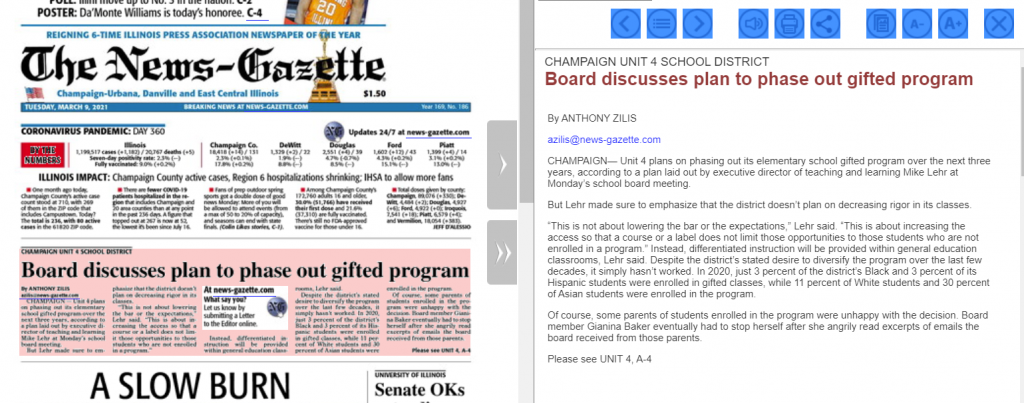
One of the school districts near me just voted to remove its gifted education program and “integrate” it into general classrooms — the idea being that every child should learn at their own level.
In theory, that sounds lovely. In practice, it’s like saying, “Everyone can share one treadmill, just run at your own speed.”
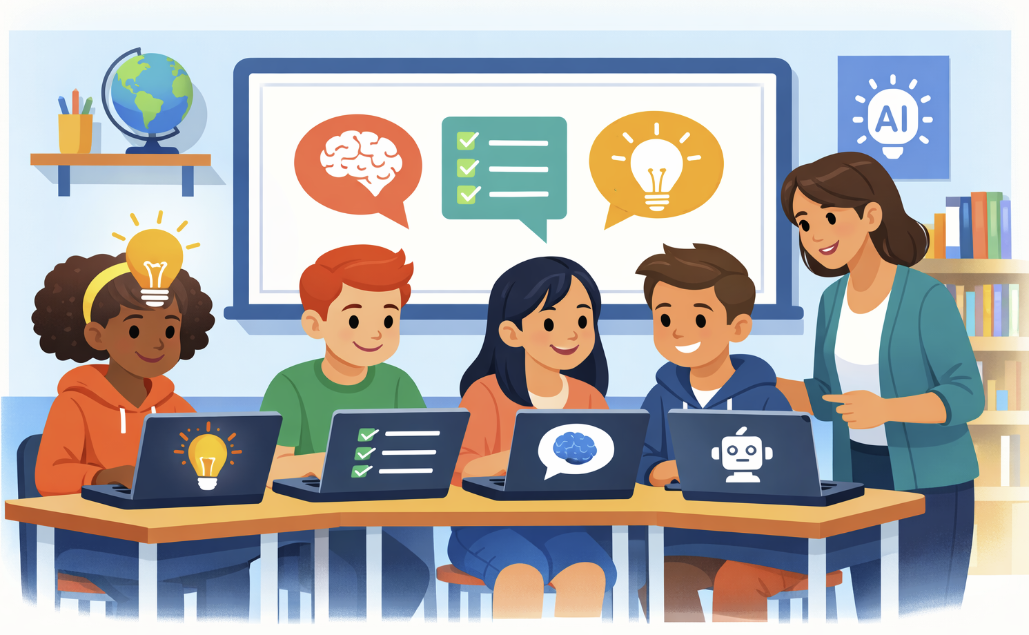
Teachers are already juggling hybrid learning, shifting schedules, and enough paperwork to wallpaper the gym. Now they’re expected to differentiate for every student — from those still mastering multiplication to those building robots in their garage.
The district’s reasoning? The gifted program demographics were “lopsided,” with a higher percentage of Asian and white students and very few Black or Latino students. That imbalance is a sign something’s broken — but removing the program doesn’t fix it. It just hides the cracks under a new coat of paint.
A Brief History of Good Intentions
Back in 2004, the district promised to increase participation in gifted programs. By 2019, they built a magnet school. Then, in 2020, they phased gifted education out entirely.
That’s not progress — that’s a pendulum swing.
Gifted education isn’t just about acceleration; it’s about fit. When we ignore that, we risk losing both ends of the learning spectrum: the students who need more challenge and the ones who need more support.
The Problems Nobody Wants to Admit
- Teachers are exhausted. Differentiation sounds noble until you’re managing 28 unique learning plans while the Wi‑Fi drops.
- Gifted students become unpaid tutors. “Help your classmates” turns into “teach the class,” and suddenly the advanced kid is resented for being the teacher’s pet.
- Boredom breeds behavior issues. When bright students spend weeks reviewing what they mastered last year, they don’t stay quiet — they start inventing chaos.
- Struggling students fall further behind. Trying to meet everyone’s needs at once often means meeting no one’s fully.
The Equity Puzzle
Gifted programs have always reflected inequities in access. Kids with stable homes, nutritious meals, and parents who can advocate for them are more likely to be identified. Kids who are hungry, caring for siblings, or living in shelters are less likely to be tested — not because they aren’t gifted, but because survival takes priority.
Even stereotypes play a role. When my youngest started school, he had a speech delay but could count past 1,000. His report card said “Satisfactory” for counting to 100 — because he hadn’t “improved.” He wasn’t underperforming; he was under‑recognized. After we moved districts, his grades turned into straight As almost overnight. Same kid, same brain, different expectations.
What We Should Be Doing Instead
Gifted education doesn’t need to be cut — it needs to be reimagined. Early identification, culturally responsive testing, and equitable access to enrichment can help fix the imbalance without erasing opportunity.
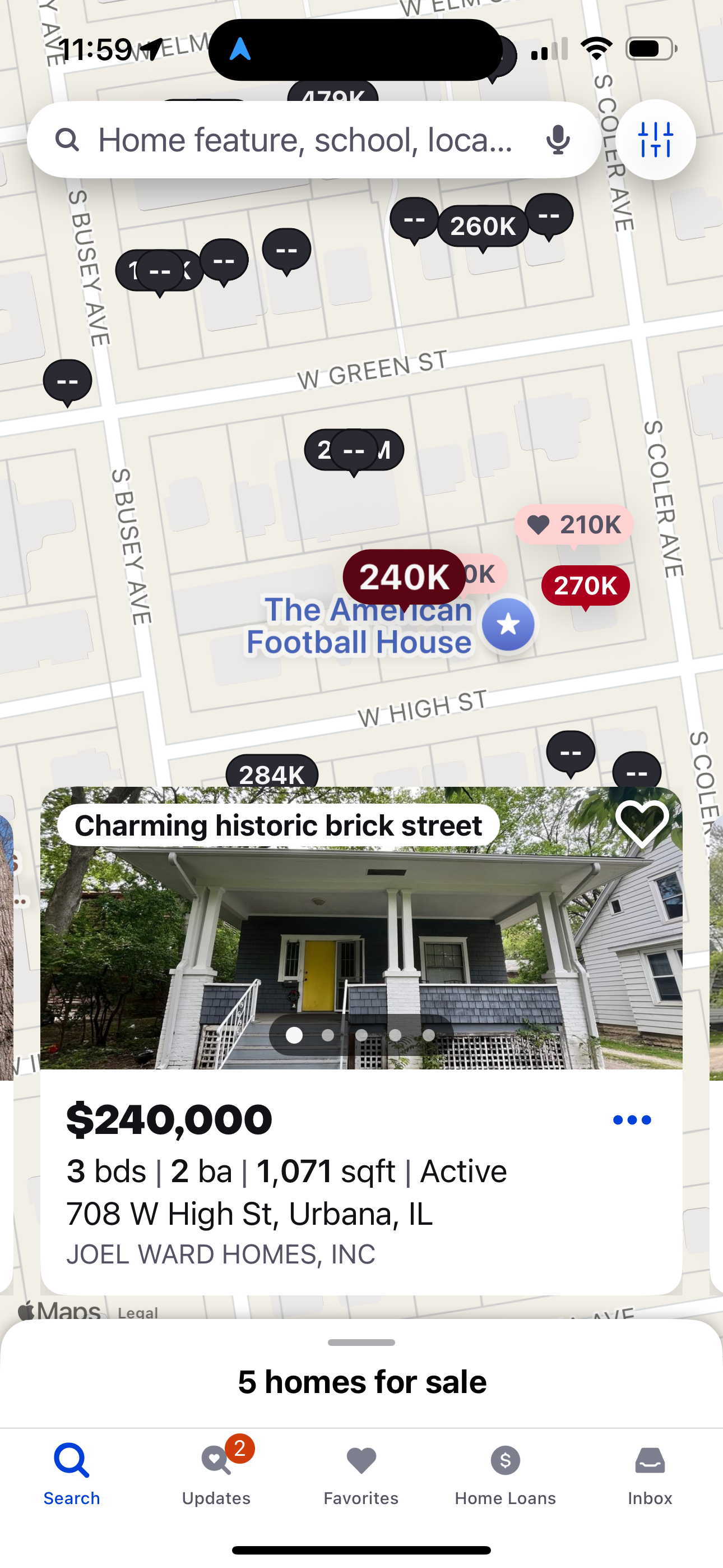
We should be investing in early intervention, not elimination. We should be expanding resources, not redistributing scarcity. And we should be asking why we’ll fund new turf for the football field before we’ll fund new curriculum for advanced learners.
Because when academics lose to athletics, we send a message: visibility matters more than potential.
The Real Takeaway
Gifted students aren’t privileged by default — they’re diverse, complex, and sometimes struggling in ways that don’t show up on a test. Removing gifted programs doesn’t make education fairer; it just makes it flatter.
If we want equity, we need nuance. If we want progress, we need data. And if we want students to thrive, we need to stop pretending one classroom can fit every learner.
If you’re an educator, parent, or advocate who wants to build better systems — ones that track growth, support teachers, and celebrate every kind of learner — check out **zen.teched4kids.com**.
It’s a teacher‑built platform with Google sign‑in, designed to make classroom management smarter, not harder. Because the future of education shouldn’t depend on who gets noticed — it should depend on who gets supported.


Originally published at https://teched4kids.com.
메타데이터
- post_id
- e9f3cf60e478
- slug
- when-gifted-gets-phased-out-what-happens-when-we-pretend-every-kid-learns-the-same-way-e9f3cf60e478
- url
- https://medium.com/rebooteducation/when-gifted-gets-phased-out-what-happens-when-we-pretend-every-kid-learns-the-same-way-e9f3cf60e478
- canonical_url
- https://medium.com/rebooteducation/when-gifted-gets-phased-out-what-happens-when-we-pretend-every-kid-learns-the-same-way-e9f3cf60e478
- author_url
- https://medium.com/@k-richter
- status
- ok
- fetched_at
- 2026-07-11 14:44:29