How to Cope with Accidental Findings After Genetic Testing
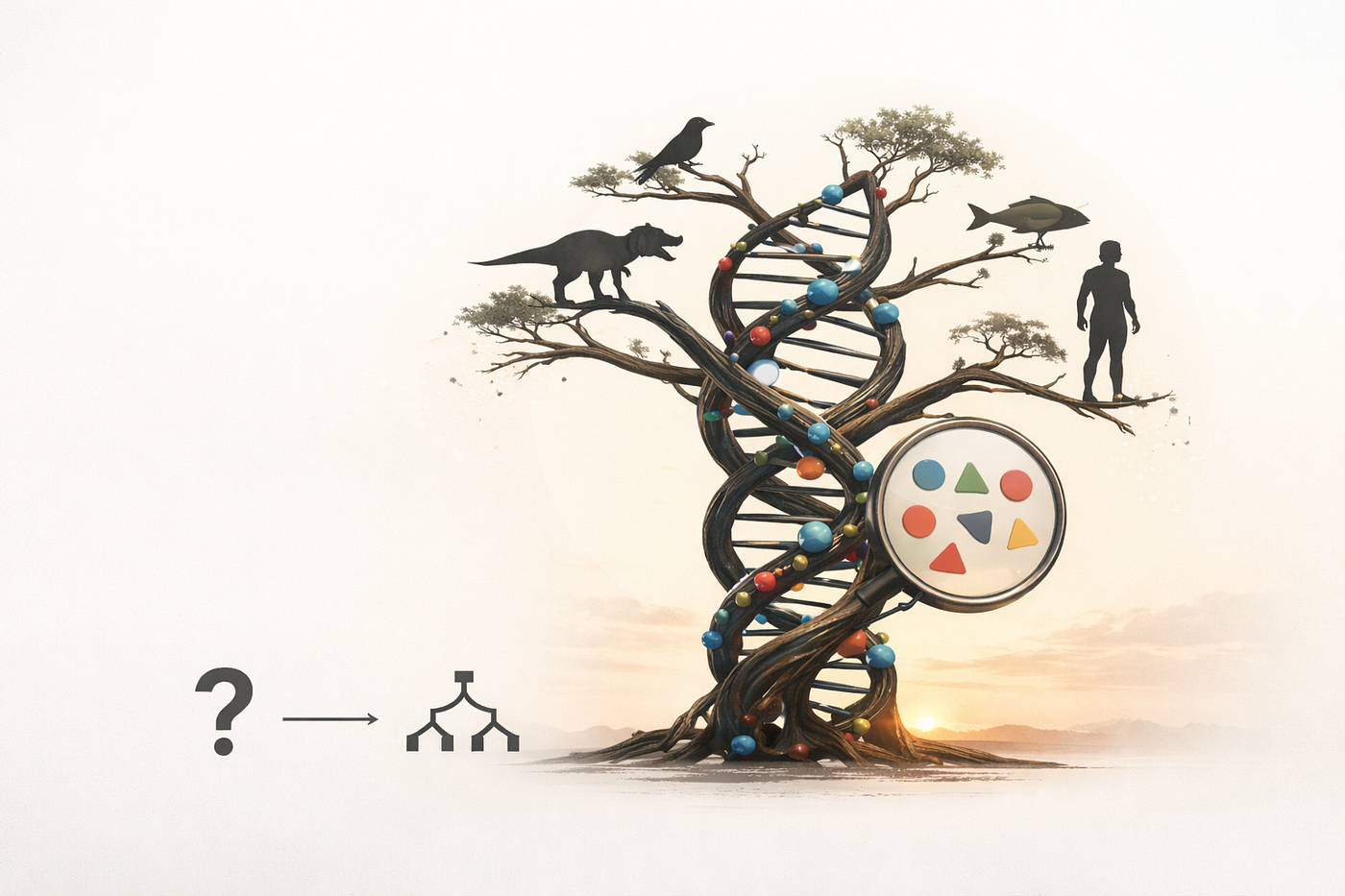
Image generated using Sora
How to Cope with Accidental Findings After Genetic Testing?

Image generated using Sora
Imagine taking a genetic test to learn about your ideal diet or your risk for diabetes. But instead of just getting those answers, your results reveal something completely unrelated, such as a high risk for a rare cancer or a genetic disorder you’ve never heard of. These are known as accidental findings, and they can be deeply unsettling.
As genetic testing becomes more common, stories like this are happening more often. The good news is that while these discoveries can be shocking, there are healthy and practical ways to manage the anxiety they may bring.
What Are Accidental Findings?
Accidental findings are unexpected results that appear during genetic testing.
For example:
- A parent who tested their child for potential talents and learning abilities may unexpectedly discover a high genetic risk for attention-deficit hyperactivity disorder (ADHD).
- Someone who took a DNA test to personalise their diet plan might find out they have a higher risk of developing insulin resistance or emotional eating patterns.
- An individual curious about their athletic or fitness potential may come across gene variants linked to anxiety or stress-related behaviors.
These findings can be surprising, especially when they touch on mental health or long-term health risks that were not the original focus of the test.
Why Do They Happen?
Accidental findings can occur because genetic tests often look at a broad range of genes, even when you are testing for something specific like nutrition, fitness, or learning potential. Direct-to-consumer (DTC) genetic testing is designed to make health insights more accessible and to support early awareness of potential risks. As research advances, scientists continue to discover new links between genes and various conditions. Because of this, your test may sometimes reveal information that was not part of your original goal. These findings are not errors. They are a natural result of how much we are learning from the human genome and reflect the increasing power of genetic testing to offer a more complete view of your health and traits.
The Emotional Impact
Unexpected genetic results can trigger a wide range of emotions:
- Shock and confusion: “I didn’t even test for this. What does it mean?”
- Anxiety: “Does this mean I will definitely get the disease?”
- Guilt: “Could I pass this gene to my children?”
- Frustration: “Why wasn’t I prepared for this possibility?”
These reactions are completely valid. It’s natural to feel shaken when something so personal and potentially life-changing shows up without warning.
How to Cope with the Anxiety
If you have received an accidental finding, here are several steps that can help you manage your response:
1. Speak to a Genetic Counselor
This should be your first step. A genetic counselor can explain your result in clear, understandable terms and help you figure out what it actually means for your health. Not every gene mutation leads to disease, and your level of risk might not be as high as it first seems.
They can also guide you on what comes next, whether that means more testing, lifestyle changes, or sharing results with your family.
2. Take a Step-by-Step Approach
It’s easy to panic and imagine the worst. But instead of trying to process everything at once, focus on the facts. Ask yourself:
- Is this gene strongly linked to a specific condition?
- What is the actual risk level?
- Are there proven ways to reduce or manage this risk?
Taking small, informed steps can help you feel more in control.
3. Understand That Knowledge Can Be a Gift
Although accidental findings can be upsetting, they can also provide a chance to take preventive action. For example, if someone learns they carry a BRCA gene mutation, they can start regular screenings earlier or consider preventive options to reduce cancer risk.
Knowing earlier gives you the power to make choices for your health and future.
4. Connect with a Support Community
You are not the only one who has received unexpected results from genetic testing. Many others have experienced similar situations. Joining a support group or reading about others’ experiences can help reduce feelings of fear and isolation.
5. Take Care of Your Mental Health
It’s normal to feel stressed, worried, or even emotionally drained. Give yourself time to process the news. Practice self-care through rest, nutrition, exercise, and relaxation techniques. If anxiety starts affecting your daily life, consider speaking to a therapist who understands health-related stress.
Final Thoughts
Genetic testing is a powerful tool for understanding your health. Sometimes, it brings surprises you never expected. If you receive an accidental finding, remember that you are not alone and that you have options.
With the right support, professional guidance, and a thoughtful approach, you can turn an unexpected result into an opportunity to take charge of your well-being.
Your genes may carry certain risks, but they do not define your future. What matters most is how you choose to respond. With clarity, strength, and the right support, you can move forward with confidence.
메타데이터
- post_id
- f4f25ddf886a
- slug
- how-to-cope-with-accidental-findings-after-genetic-testing-f4f25ddf886a
- url
- https://medium.com/@dygnjw96/how-to-cope-with-accidental-findings-after-genetic-testing-f4f25ddf886a
- canonical_url
- https://medium.com/@dygnjw96/how-to-cope-with-accidental-findings-after-genetic-testing-f4f25ddf886a
- author_url
- https://medium.com/@dygnjw96
- status
- ok
- fetched_at
- 2026-06-20 20:29:01