Residential and Commercial Smart Glass Market Drivers Shaping Energy-Efficient Building Design
The modern construction industry is moving toward buildings that can respond intelligently to changing environmental and user requirements…
Residential and Commercial Smart Glass Market Drivers Shaping Energy-Efficient Building Design
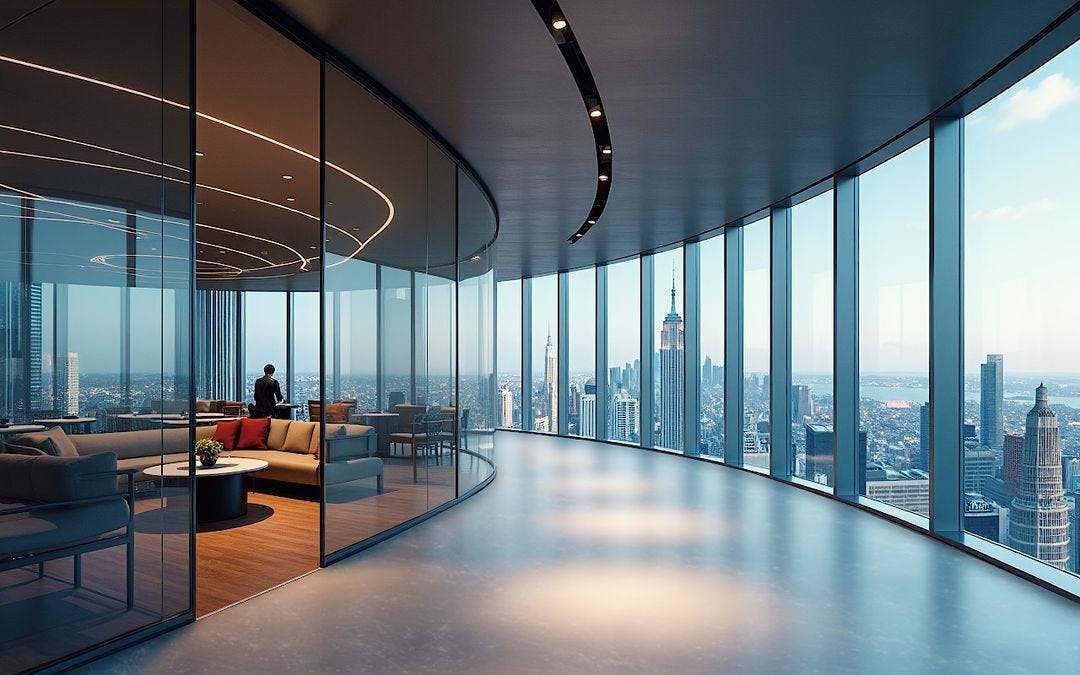
Residential and Commercial Smart Glass Market
The modern construction industry is moving toward buildings that can respond intelligently to changing environmental and user requirements. Conventional windows provide essential daylight and visibility, but they offer limited control over heat, glare, and privacy. Smart glass addresses these challenges by allowing glass surfaces to change their optical properties in response to electrical signals, sunlight, temperature, or user commands.
The residential and commercial smart glass market drivers are closely connected to the growing demand for energy-efficient buildings and intelligent architectural systems. As property owners, developers, and occupants seek better control over indoor environments, smart glass is becoming an increasingly attractive alternative to traditional blinds, curtains, and fixed glazing solutions.
Growing Demand for Energy-Efficient Buildings
One of the strongest factors supporting smart glass adoption is the global focus on reducing building energy consumption. Windows can contribute significantly to heat gain and heat loss, increasing the need for air conditioning and heating. Smart glass helps regulate solar radiation by adjusting its transparency or tint, allowing buildings to manage indoor temperatures more efficiently.
In residential properties, this can support more comfortable living spaces and potentially reduce reliance on cooling systems. In commercial buildings with large glass façades, the impact can be even more significant because expansive windows often expose interiors to intense sunlight. The increasing emphasis on green construction and energy-conscious building design is therefore a major factor driving market expansion.
Rising Adoption of Smart Building Technologies
Buildings are becoming more connected through sensors, automation systems, artificial intelligence, and Internet of Things technologies. Smart glass fits naturally within this ecosystem because it can be integrated with building management platforms and automated control systems.
Commercial facilities can program glazing systems to respond to time of day, sunlight intensity, occupancy, and indoor temperature. Residential users can operate smart windows through switches, mobile applications, or connected home automation platforms. This compatibility with smart building infrastructure is increasing the appeal of intelligent glazing solutions among technology-focused property developers.
Increasing Focus on Indoor Comfort
Occupant comfort has become an important priority in both residential and commercial construction. Excessive sunlight can create glare, hot spots, and uncomfortable indoor temperatures. Traditional window coverings may block natural light completely, requiring artificial lighting and reducing the visual connection with the outdoors.
Smart glass provides more flexible control over light and solar exposure. It can help reduce glare while maintaining access to natural daylight. In offices, this can improve working conditions for employees using computers and digital screens. In homes, it can provide better control over sunlight throughout the day without compromising the overall appearance of the interior.
Expansion of Sustainable Construction Practices
Sustainability is influencing building materials, architectural designs, and construction standards worldwide. Developers are increasingly looking for technologies that can contribute to improved environmental performance without compromising aesthetics.
Smart glass supports sustainable building strategies by helping optimize natural lighting and reduce unwanted solar heat. Its use can complement other energy-saving technologies such as efficient HVAC systems, solar power, advanced insulation, and automated lighting. As sustainable construction becomes a core consideration in new developments and renovation projects, demand for intelligent glazing is expected to strengthen.
Growing Preference for Modern Architectural Designs
Contemporary architecture increasingly features expansive windows, glass façades, skylights, partitions, and open-plan interiors. While these designs create attractive and naturally illuminated spaces, they also generate challenges related to privacy, glare, and temperature management.
Smart glass provides architects with greater design flexibility. Glass partitions can switch from transparent to opaque, while exterior glazing can adjust its tint to manage sunlight. This combination of aesthetics and functionality is making smart glass increasingly popular in luxury residences, corporate offices, hotels, shopping centers, and high-end commercial properties.
Rising Demand for Privacy Solutions
Privacy is another important factor contributing to smart glass adoption. Traditional curtains, blinds, and physical partitions can occupy space and may not align with minimalist architectural concepts. Switchable smart glass offers an alternative by allowing users to change visibility when required.
In homes, it can be used in bathrooms, bedrooms, living areas, and glass-fronted spaces. In commercial environments, it is increasingly suitable for meeting rooms, executive offices, healthcare areas, financial institutions, and hospitality facilities. The ability to instantly change glass from transparent to private provides a practical solution for modern spaces with changing privacy requirements.
Growth in Commercial Construction and Renovation
New commercial construction projects are increasingly incorporating intelligent building features from the design stage. At the same time, existing offices, hotels, healthcare facilities, and retail properties are undergoing renovation to improve energy performance and user experience.
Smart glass can be integrated into both new and renovated buildings, creating opportunities across multiple construction segments. As commercial property owners seek to modernize older facilities and improve their competitiveness, intelligent glazing solutions are gaining attention as part of broader building upgrades.
Technological Advancements and Improved Product Performance
Innovation in glass technologies is helping improve switching speed, durability, transparency, energy performance, and installation flexibility. Manufacturers are developing solutions suitable for different architectural applications, including windows, partitions, doors, façades, and specialty glazing.
Advances in control systems are also making smart glass easier to operate and integrate with automated building platforms. As product performance improves and applications expand, the technology is becoming more suitable for a broader range of residential and commercial projects.
메타데이터
- post_id
- fc408ca73dd5
- slug
- residential-and-commercial-smart-glass-market-drivers-shaping-energy-efficient-building-design-fc408ca73dd5
- url
- https://medium.com/@aryamishra2431/residential-and-commercial-smart-glass-market-drivers-shaping-energy-efficient-building-design-fc408ca73dd5
- canonical_url
- https://medium.com/@aryamishra2431/residential-and-commercial-smart-glass-market-drivers-shaping-energy-efficient-building-design-fc408ca73dd5
- author_url
- https://medium.com/@aryamishra2431
- status
- ok
- fetched_at
- 2026-08-01 14:51:42