Vets Reveal the 3 Dog Chews You Should Never Buy From the Pet Store Aisle
Walk into almost any pet store and you will see an entire aisle devoted to dog chews.
Vets Reveal the 3 Dog Chews You Should Never Buy From the Pet Store Aisle
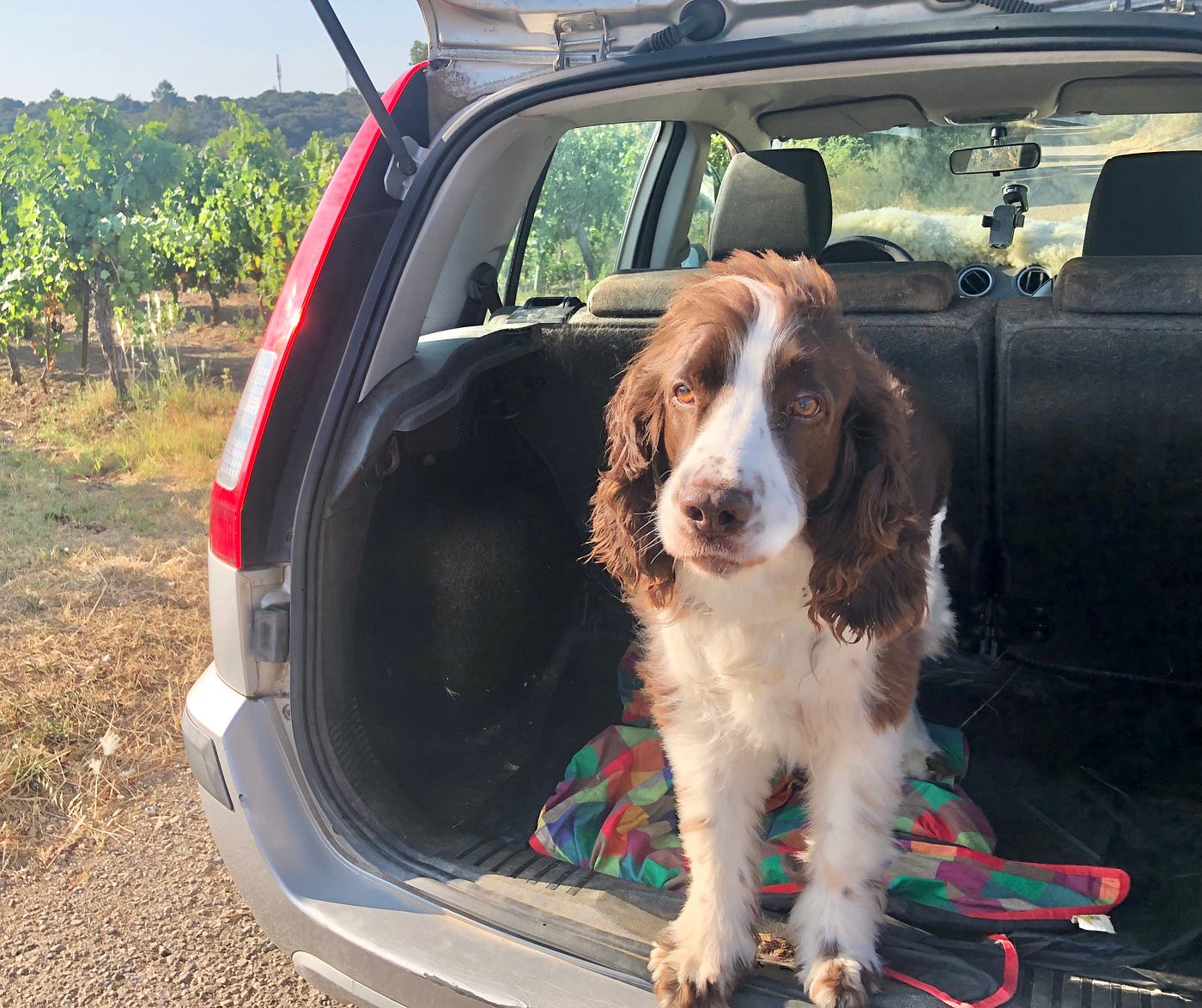
Photo by Jonatan Bustos on Unsplash
Walk into almost any pet store and you will see an entire aisle devoted to dog chews.
There are rawhide twists, smoked bones, antlers, hooves, dental sticks, yak chews, bully sticks, and dozens of other products promising hours of entertainment. Many packages use reassuring words such as “natural,” “long-lasting,” “premium,” or “dental.” But those labels do not guarantee that a chew is safe for every dog.
Chewing is normal and healthy canine behavior. It can provide enrichment, relieve boredom, and give a dog an appropriate outlet for the urge to gnaw. The problem begins when a chew is too hard, too small, too easy to swallow in chunks, or simply mismatched to a dog’s chewing style.
**Veterinarians** regularly see the consequences: fractured teeth, choking episodes, vomiting, intestinal blockages, and emergency procedures to remove swallowed pieces. Not every dog will have a problem with every chew, but certain categories carry risks that pet parents should understand before putting them in the shopping cart.
Here are three dog chews that deserve a hard pause in the pet-store aisle.
1. Cooked, Smoked, and Extremely Hard Bones
A bone may look like the most natural chew for a dog. After all, dogs have chewed bones for generations. But “natural” does not mean risk-free — especially when the bone has been cooked, smoked, baked, dried, or processed to last for a long time.
Many packaged bones are extremely hard. That hardness can be a major concern because a determined dog may chip, crack, or fracture a tooth while trying to break pieces off. Dental fractures can be painful, even when a dog does not immediately show obvious signs of distress.
Dogs are remarkably good at hiding pain. A dog with a cracked tooth may still eat, play, and act normally. Yet subtle warning signs can appear over time:
- Chewing on only one side of the mouth
- Dropping food or treats
- Pawing at the face
- Excessive drooling
- Bad breath
- Refusing dry food or hard treats
- Pulling away when the face is touched
A fractured tooth can expose the sensitive inner part of the tooth. In some cases, this can lead to infection, inflammation, and the need for dental treatment or extraction.
Bones can also splinter or break into sharp pieces. If swallowed, fragments may cause mouth injuries, choking, or digestive problems. Larger pieces may also become lodged in the stomach or intestines, preventing food from moving normally through the digestive tract.
The key concern is not whether every bone will injure every dog. The concern is that the potential downside is serious, while safer enrichment options are available.
A practical rule many pet professionals use is the thumbnail test: if you cannot leave a small mark in the chew with your thumbnail, it may be too hard for your dog’s teeth. This is not a perfect scientific test, but it can help pet parents avoid the hardest products in the aisle.
Instead of choosing a cooked or smoked bone, consider a durable rubber chew made for dogs. A food-stuffable rubber toy can make chewing more engaging because it gives your dog something safe to work on while also slowing down treat consumption.
2. Antlers, Hooves, and Other Rock-Hard “Long-Lasting” Chews
Antlers and hooves are popular because they last a long time. For pet parents with a determined chewer, that sounds ideal. No one wants to spend money on a toy that is destroyed in five minutes.
But the same quality that makes antlers and hooves durable can make them risky: they are exceptionally hard.
A dog’s teeth are strong, but they are not indestructible. When a dog repeatedly bites down on an antler, hoof, or similarly hard chew, the force can damage a tooth. This is especially true for powerful chewers that clamp down with intense pressure rather than gently gnawing.
Some dogs will chew an antler without any obvious issue. Others may fracture a tooth during a single intense chew session. Because it is difficult to predict which dog will be affected, many veterinarians recommend avoiding the hardest chew materials altogether.
Hooves may present another problem: they can break into sharp edges as they wear down. A dog may also snap off and swallow fragments. Even if a piece passes through safely, sharp material can irritate the mouth or digestive tract.
The marketing around these chews can be misleading. “Long-lasting” sounds like a benefit, but a chew does not need to be nearly indestructible to be useful. A safer goal is a chew that is tough enough to occupy the dog but soft enough to reduce the chance of tooth damage.
If your dog is a heavy chewer, think about managing the behavior rather than trying to find the hardest item possible. Short, supervised chew sessions are often safer than leaving a dog alone with a hard chew for an extended period.
You can also rotate enrichment activities. For example, offer a durable rubber toy one day, scatter part of your dog’s meal in a snuffle mat the next day, and use short **training sessions** on another day. Variety reduces boredom without relying on an extremely hard chew.
3. Rawhide Chews for Dogs That Gulp or Tear Off Chunks
Rawhide is one of the most debated items in the dog-chew aisle. Some dogs tolerate it well under close supervision. Others can get into serious trouble after swallowing a large piece.
The issue is not simply whether rawhide exists in the home. The biggest concern is how a particular dog uses it.
A careful, slow chewer may soften small amounts gradually. A fast eater or aggressive chewer may rip off large pieces and swallow them before they are adequately broken down. Those pieces can become choking hazards or create an obstruction in the esophagus, stomach, or intestines.
A gastrointestinal blockage is an emergency. Depending on where the material becomes lodged, a dog may need imaging, hospitalization, endoscopic removal, or surgery.
Watch for signs that a dog may be swallowing rather than chewing:
- Finishing chews unusually fast
- Coughing or gagging during chew time
- Trying to swallow a large remaining piece
- Becoming possessive or frantic around chews
- Vomiting after receiving edible treats
- Repeatedly tearing off pieces instead of gnawing slowly
Size matters, too. A chew that is appropriate for a large dog may be dangerous for a smaller dog. But even a large dog can be at risk if the remaining end becomes small enough to swallow whole.
Rawhide also has a history of product recalls and contamination concerns. Pet parents should pay attention to manufacturer information, product recalls, storage guidance, and any unusual odor, discoloration, or package damage.
If you choose to give rawhide, supervision should be non-negotiable. Remove the chew when it becomes small enough to gulp, when it starts breaking into large chunks, or when your dog is trying to swallow pieces instead of chewing them.
However, for dogs with a history of digestive issues, swallowing objects, gulping food, or becoming overly excited around treats, skipping rawhide may be the safer choice.
How to Choose a Safer Dog Chew
There is no one perfect chew for every dog. A product that works for a calm adult dog may be completely inappropriate for a puppy, a senior dog with dental disease, or a powerful chewer.
Before buying a chew, consider these questions:
- Is this chew larger than my dog’s mouth?
- Can my dog break off a piece that could be swallowed?
- Is the material hard enough to crack a tooth?
- Will I be able to supervise my dog while using it?
- Does my dog chew slowly, shred aggressively, or gulp treats?
- Does my dog have dental disease, sensitive teeth, digestive issues, or a history of swallowing foreign objects?
For dental-health products, look for options recognized by the Veterinary Oral Health Council. The VOHC Seal indicates that a product has met standards for helping control plaque or tartar when used as directed. It does not mean a product is automatically right for every dog, but it is a useful starting point when comparing dental options.vohc
It is also smart to ask your veterinarian for advice tailored to your dog. Your vet knows your dog’s age, body size, dental condition, medical history, diet, and behavioral habits. That context matters far more than a package claim.
Supervision Is Part of Safety
Even a relatively safe chew can become unsafe if it is left with a dog unsupervised.
Dogs can suddenly bite off a larger piece, especially after a chew has become worn down. A dog may also try to swallow the final portion of a treat because it is small enough to gulp.
Stay nearby during chew time. Remove damaged toys, sharp pieces, and small remaining ends. If your dog becomes intensely focused, frantic, or protective over chews, choose alternatives that are less likely to trigger unsafe gulping behavior.
Most importantly, do not assume a dog is safe just because they have used a product before. One uneventful experience does not eliminate the risk of a future incident.
Signs Your Dog Needs Veterinary Care
Call a veterinarian promptly if your dog shows signs of choking, obstruction, or oral injury after chewing. Warning signs include coughing, gagging, repeated swallowing, vomiting, refusal to eat, drooling, lethargy, abdominal discomfort, straining to defecate, or sudden changes in behavior.
Do not try to induce vomiting unless a veterinarian specifically instructs you to do so. If your dog is struggling to breathe or appears to be choking, seek **emergency veterinary** care immediately.
The best dog chew is not necessarily the toughest, the biggest, or the most expensive. It is the one that fits your dog’s individual habits and can be used safely under supervision.
메타데이터
- post_id
- 8b5ef268745d
- slug
- vets-reveal-the-3-dog-chews-you-should-never-buy-from-the-pet-store-aisle-8b5ef268745d
- url
- https://medium.com/@petzooiepetadvice/vets-reveal-the-3-dog-chews-you-should-never-buy-from-the-pet-store-aisle-8b5ef268745d
- canonical_url
- https://medium.com/@petzooiepetadvice/vets-reveal-the-3-dog-chews-you-should-never-buy-from-the-pet-store-aisle-8b5ef268745d
- author_url
- https://medium.com/@petzooiepetadvice
- status
- ok
- fetched_at
- 2026-09-10 01:11:23