Advancing Genome Editing with Bioinformatics: CRISPR Data Analysis Techniques and Tools
Genome editing and bioinformatics are revolutionizing the field of genetic research, with CRISPR technology at the forefront. CRISPR-Cas9…
Advancing Genome Editing with Bioinformatics: CRISPR Data Analysis Techniques and Tools
Genome editing and bioinformatics are revolutionizing the field of genetic research, with CRISPR technology at the forefront. CRISPR-Cas9, a groundbreaking gene-editing tool, has enabled precise modifications to DNA, leading to significant advancements in genetic engineering, therapeutic development, and biotechnology. However, the success of CRISPR experiments heavily relies on robust data analysis and bioinformatics tools. This article explores the interplay between genome editing and bioinformatics, focusing on CRISPR data analysis techniques and tools.
Understanding Genome Editing and CRISPR Technology
Genome editing is a transformative approach that enables precise modifications to an organism’s DNA, allowing for the insertion, deletion, or alteration of specific genes. Among the various genome editing tools, CRISPR-Cas9 has emerged as the most powerful and versatile, revolutionizing genetic research and therapeutic development. This section explores the fundamentals of genome editing and the CRISPR-Cas9 technology that has become a cornerstone in the field.
What is Genome Editing?
Genome editing involves making targeted modifications to the DNA of an organism. This can include inserting, deleting, or altering specific sequences to study gene function, develop therapies, or create genetically modified organisms. CRISPR-Cas9 is the most widely used genome editing technology due to its precision, efficiency, and versatility.
CRISPR-Cas9: The Revolutionary Gene-Editing Tool
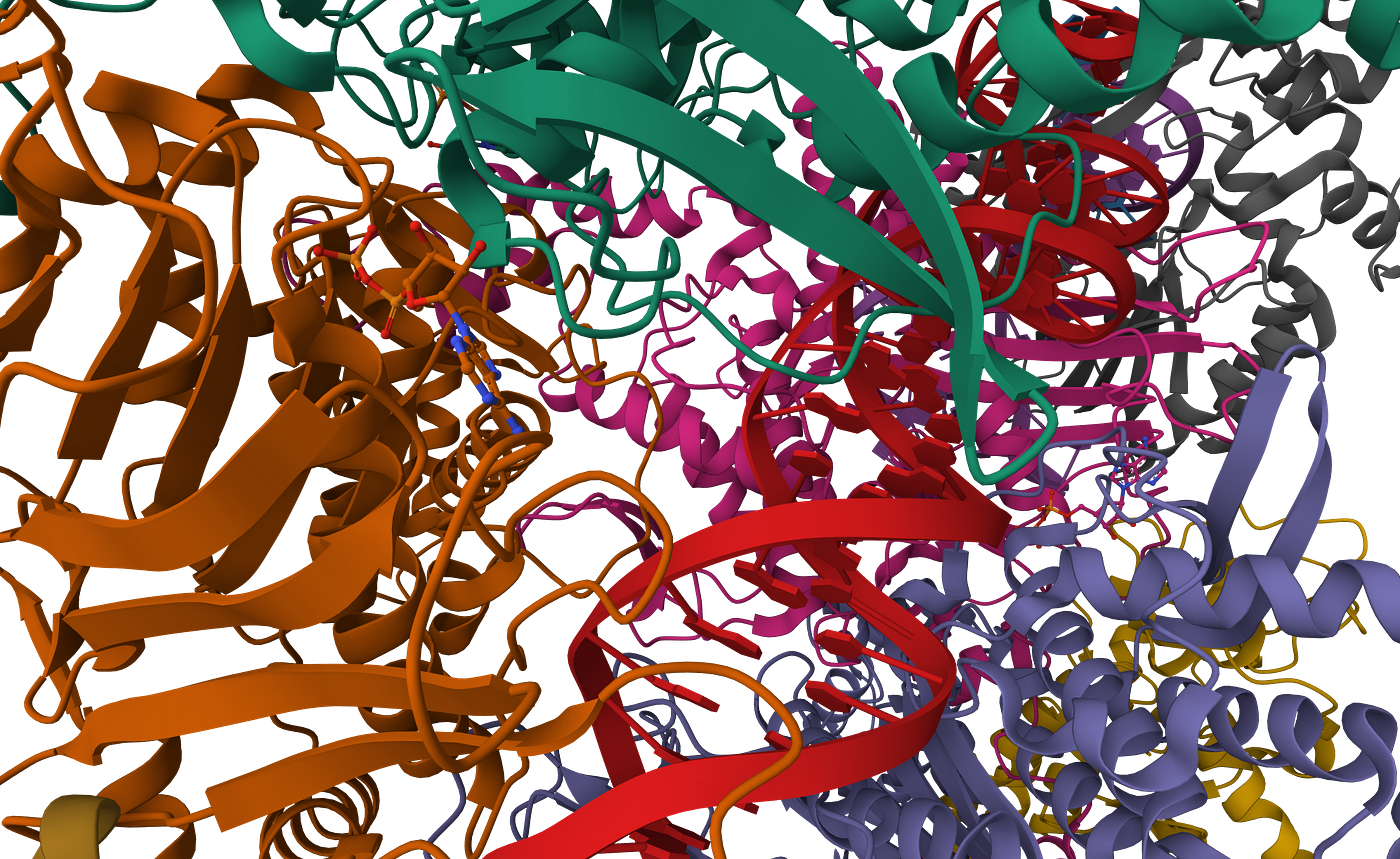
CRISPR-Cas9 is a molecular tool derived from a bacterial immune system. It uses a guide RNA (gRNA) to target specific DNA sequences and the Cas9 enzyme to introduce double-strand breaks, which are then repaired by the cell’s natural mechanisms, leading to the desired genetic modifications. Learn more about CRISPR technology.
Key Techniques in CRISPR Data Analysis
The success of CRISPR experiments relies heavily on robust data analysis techniques that ensure specificity, efficiency, and accuracy of gene edits. This section outlines the key techniques involved in CRISPR data analysis, including guide RNA design, off-target analysis, and efficiency assessment, all crucial for optimizing CRISPR applications and validating experimental outcomes.
Guide RNA Design
Effective CRISPR experiments start with designing optimal guide RNAs (gRNAs) that target specific genomic regions with high specificity and efficiency. Several bioinformatics tools assist in this process.
- CRISPR Design Tool: Tools like CRISPR-Cas9 Guide RNA Design Tool help design effective gRNAs by evaluating off-target effects and on-target efficiency.
- Benchling: An integrated platform for designing and analyzing CRISPR experiments. Explore Benchling.
Off-Target Analysis
Ensuring the specificity of CRISPR edits is crucial to avoid unintended modifications. Off-target analysis tools predict potential off-target sites based on gRNA sequences.
- Cas-OFFinder: Identifies potential off-target sites with mismatches or bulges. Learn more about Cas-OFFinder.
- CCTop: A CRISPR-Cas9 target online predictor that evaluates off-target effects. Access CCTop.
CRISPR Efficiency Assessment
Assessing the efficiency of CRISPR edits is essential for optimizing experimental conditions and validating results.
- TIDE (Tracking of Indels by Decomposition): A web tool for analyzing CRISPR-induced indels from Sanger sequencing data. Explore TIDE.
- ICE (Inference of CRISPR Edits): A tool for analyzing CRISPR editing efficiency from Sanger sequencing data. Access ICE.
CRISPR Data Analysis Tools
Effective CRISPR data analysis requires specialized bioinformatics tools designed to handle the complexity of genome editing data. These tools facilitate various aspects of CRISPR experiments, from sequencing alignment and indel analysis to functional annotation and visualization. This section highlights the essential tools used in CRISPR data analysis and their applications in the research workflow.
Next-Generation Sequencing (NGS) Analysis
NGS is commonly used to validate CRISPR edits and analyze genomic modifications at a high resolution. Bioinformatics tools for NGS data analysis play a critical role in CRISPR studies.
- Bowtie2: An ultrafast and memory-efficient aligner for aligning sequencing reads to reference genomes. Learn more about Bowtie2.
- BWA (Burrows-Wheeler Aligner): A software package for mapping low-divergent sequences against a large reference genome. Explore BWA.
- SAMtools: Tools for manipulating alignments in the SAM format. Access SAMtools.
Indel Analysis
Indels (insertions and deletions) are common outcomes of CRISPR editing. Analyzing indels helps in assessing the precision and efficiency of genome editing.
- CRISPResso2: A software pipeline for analyzing genome editing outcomes from deep sequencing data. Learn more about CRISPResso2.
- MAGECK: A tool for analyzing CRISPR-Cas9 knockout screens. Access MAGECK.
Functional Annotation
Understanding the functional impact of CRISPR edits requires annotation of the edited regions to identify affected genes and pathways.
- ANNOVAR: A tool for annotating genetic variants detected from NGS data. Explore ANNOVAR.
- VEP (Variant Effect Predictor): A tool for predicting the functional effects of genomic variants. Access VEP.
Applications of Genome Editing and Bioinformatics
The combination of genome editing and bioinformatics has far-reaching applications across multiple fields, including therapeutic development, functional genomics, agricultural biotechnology, and synthetic biology. This section explores how CRISPR technology, supported by advanced bioinformatics, is driving innovations in these areas and transforming scientific research and industry practices.
Therapeutic Development
CRISPR technology, combined with bioinformatics, is driving the development of gene therapies for genetic disorders, cancer, and other diseases.
- Gene Therapy: Developing treatments for genetic disorders by correcting mutations. Learn more about CRISPR in gene therapy.
- Cancer Immunotherapy: Engineering immune cells to target and destroy cancer cells. Explore CRISPR in cancer immunotherapy.
Functional Genomics
CRISPR and bioinformatics tools enable large-scale functional genomics studies to elucidate gene functions and interactions.
- Gene Knockout Screens: Systematically knocking out genes to study their functions. Learn more about CRISPR knockout screens.
- Epigenome Editing: Modifying epigenetic marks to study gene regulation. Explore CRISPR epigenome editing.
Agricultural Biotechnology
CRISPR technology is revolutionizing agriculture by creating crops with improved traits, such as disease resistance, yield, and nutritional content.
- Crop Improvement: Developing crops with enhanced traits. Discover CRISPR in agriculture.
- Animal Breeding: Enhancing livestock traits for better productivity. Learn more about CRISPR in animal breeding.
Synthetic Biology
CRISPR and bioinformatics are key drivers of synthetic biology, enabling the design and construction of new biological parts, devices, and systems.
- Metabolic Engineering: Engineering metabolic pathways for the production of valuable compounds. Explore CRISPR in synthetic biology.
- Biosensors: Developing CRISPR-based sensors for detecting environmental and biological signals. Learn more about CRISPR biosensors.
Advanced Tools for CRISPR Data Analysis
Advancements in CRISPR technology have led to the development of integrated platforms and visualization tools that enhance data analysis and interpretation. These advanced tools provide comprehensive solutions for managing CRISPR data, ensuring efficient and accurate analysis. This section discusses some of the leading tools and platforms that are shaping the future of CRISPR research.
Integrated Platforms
Integrated platforms combine multiple tools and databases to provide comprehensive solutions for CRISPR data analysis.
- DiPhyx: A transformative scientific computing platform that integrates various CRISPR analysis tools into a unified, cloud-native environment. DiPhyx facilitates efficient data management, computation, and analysis. Discover DiPhyx.
- Galaxy: An open-source platform for bioinformatics analysis. Access Galaxy.
Visualization Tools
Visualization tools are essential for interpreting complex CRISPR data, providing insights into genome modifications and their functional implications.
- IGV (Integrative Genomics Viewer): A tool for visualizing CRISPR data and genome modifications. Learn more about IGV.
- UCSC Genome Browser: A comprehensive tool for visualizing genomic data, including CRISPR edits. Explore UCSC Genome Browser.
Challenges in Genome Editing Bioinformatics
Despite the tremendous potential of CRISPR technology, several challenges remain in genome editing bioinformatics, including data complexity, detection sensitivity, and functional interpretation. Addressing these challenges is crucial for improving the accuracy and reliability of CRISPR experiments. This section delves into the primary obstacles faced by researchers and the strategies being developed to overcome them.
Data Complexity
CRISPR data is inherently complex due to the diversity of genomic modifications and off-target effects. Managing and analyzing such data requires advanced computational tools and techniques.
- Data Integration: Combining data from different CRISPR studies to gain a comprehensive view.
Detection Sensitivity
Detecting low-frequency off-target effects with high sensitivity and specificity is challenging, necessitating the development of more robust and accurate methods.
- Methodological Improvements: Developing new techniques to enhance detection sensitivity.
Functional Interpretation
Translating CRISPR data into meaningful biological insights requires extensive functional validation and experimental assays.
- Functional Validation: Conducting experiments to validate the roles of CRISPR-induced modifications.
Future Directions in Genome Editing Bioinformatics
The field of genome editing bioinformatics is rapidly evolving, with promising advancements on the horizon. Future directions include the integration of multi-omics data, the application of machine learning and AI, and the development of single-cell CRISPR technologies. These innovations are expected to further enhance the precision and applicability of genome editing, paving the way for new discoveries and therapeutic strategies. This section explores the exciting prospects that lie ahead in genome editing bioinformatics.
Integration with Multi-Omics Data
Integrating CRISPR data with other omics layers, such as transcriptomics, proteomics, and metabolomics, will provide a more comprehensive understanding of gene function and regulation.
- Multi-Omics Approaches: Combining different omics data to uncover complex regulatory networks. Learn about multi-omics integration.
Machine Learning and AI
Machine learning and AI are increasingly being applied to CRISPR data analysis, offering new ways to analyze and interpret complex data.
- AI in CRISPR: Leveraging AI to predict off-target effects and optimize gRNA design.
Single-Cell CRISPR Analysis
Advancements in single-cell technologies will enable high-resolution analysis of CRISPR edits at the single-cell level, revealing cellular heterogeneity and dynamic regulatory mechanisms.
- Single-Cell Technologies: Developing new methods for single-cell CRISPR analysis. Explore single-cell CRISPR.
Genome editing with CRISPR technology, combined with bioinformatics, is transforming genetic research and therapeutic development. By leveraging advanced sequencing technologies, bioinformatics tools, and computational resources, researchers can optimize CRISPR experiments, validate edits, and explore the functional implications of genome modifications. Despite challenges in data complexity and off-target detection, ongoing advancements in multi-omics integration, AI, and single-cell technologies promise to further enhance the field of genome editing bioinformatics, driving new discoveries and innovations.
For further reading and resources, explore the following links:
- CRISPR technology
- CRISPR-Cas9 Guide RNA Design Tool
- Benchling for CRISPR experiments
- Cas-OFFinder for off-target analysis
- CCTop for target prediction
- TIDE for indel analysis
- ICE for editing efficiency
- Bowtie2 for sequencing alignment
- BWA for sequence mapping
- SAMtools for alignment manipulation
- CRISPResso2 for indel analysis
- MAGECK for knockout screens
- ANNOVAR for variant annotation
- VEP for variant prediction
- CRISPR in gene therapy
- CRISPR in cancer immunotherapy
- CRISPR knockout screens
- CRISPR epigenome editing
- CRISPR in agriculture
- CRISPR in animal breeding
- CRISPR in synthetic biology
- CRISPR biosensors
- DiPhyx for CRISPR research
- Galaxy for bioinformatics analysis
- IGV for data visualization
- UCSC Genome Browser
- Data integration challenges
- Off-target detection improvements
- Functional validation of CRISPR edits
- Multi-Omics integration
- Single-cell CRISPR
메타데이터
- post_id
- bfc2ba2e6911
- slug
- advancing-genome-editing-with-bioinformatics-crispr-data-analysis-techniques-and-tools-bfc2ba2e6911
- url
- https://medium.com/bioinformatic/advancing-genome-editing-with-bioinformatics-crispr-data-analysis-techniques-and-tools-bfc2ba2e6911
- canonical_url
- https://medium.com/bioinformatic/advancing-genome-editing-with-bioinformatics-crispr-data-analysis-techniques-and-tools-bfc2ba2e6911
- author_url
- https://medium.com/@minooscitech
- status
- ok
- fetched_at
- 2026-06-12 07:40:50