When Worry Takes Over: The Hidden Reality of Parenting a Child with Anxiety
As parents, our instinct is to protect. When our children fall and scrape a knee, we know exactly what to do: wash it, apply a bandage, and…
When Worry Takes Over: The Hidden Reality of Parenting a Child with Anxiety
As parents, our instinct is to protect. When our children fall and scrape a knee, we know exactly what to do: wash it, apply a bandage, and offer a comforting hug. But what happens when the wound is invisible? What do you do when your child is trapped in a loop of overwhelming worry, and no amount of logical reassurance seems to reach them?
Parenting a child with anxiety is a deeply exhausting, emotionally taxing journey that often leaves moms and dads feeling incredibly isolated. If you are currently navigating this, please know one thing right now: you are not failing, and you are not alone.
Ad: As an Amazon Associate, I may earn a commission from qualifying purchases made through the links on this page (at no additional cost to you).
The Loneliness of the “What-If” Cycle
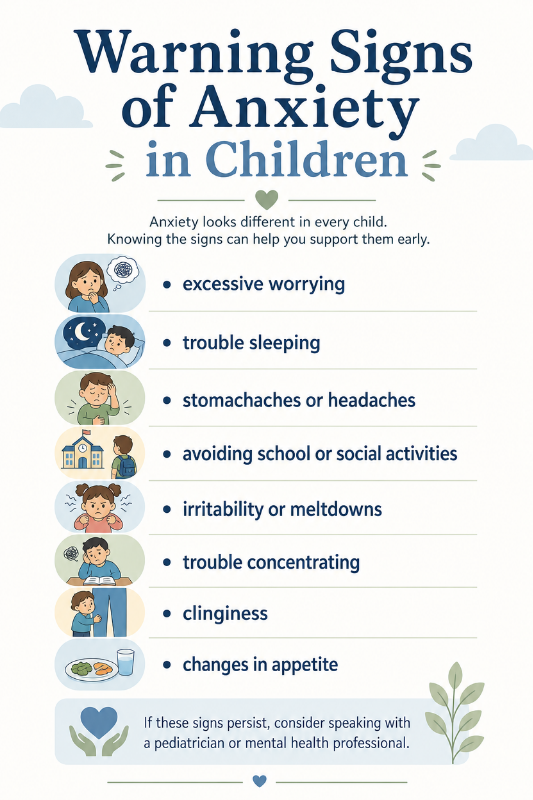
Anxiety in children rarely looks like a simple case of “being nervous.” It often masquerades as something else entirely. It shows up as sudden angry outbursts, intense stomach aches before school, rigid perfectionism, or absolute meltdowns over seemingly minor routine changes.
Behind the scenes, parents are running a constant marathon of hyper-vigilance:
- The Emotional Exhaustion: Walking on eggshells to avoid triggers, while simultaneously trying to teach resilience.
- The Second-Guessing: Wondering, “Am I accommodating the anxiety too much, or am I pushing them too hard?”
- The Isolation: Watching other families enjoy spontaneous outings, while your own day requires tactical military-grade planning just to leave the house.
It is heartbreaking to watch your child fight their own mind. It’s equally heartbreaking to feel like the rest of the world thinks your child is just “being difficult” or that you just need to practice “better discipline.”
Building a Toolkit (For Them and For You)
You cannot magic away your child’s anxiety, but you can change how your family relates to it. The goal isn’t to eliminate the worry entirely — it’s to teach your child that they are strong enough to carry it until it passes.
To help your child find their footing, it helps to introduce practical, age-appropriate tools that externalize the worry. Here are a few excellent books and guides that offer actionable strategies for kids and teens:
- For Kids Finding Their Balance: *Finding Your Balance* offers a gentle approach to helping kids navigate big emotions and steady themselves when things feel chaotic.
- For Tweens and Younger Kids: *Anxious Kids, Anxious Parents* is a fantastic, practical guide that breaks down the common traps parents fall into and offers a roadmap to break the cycle of worry.
- Navigating Mindsets: *The Growth Mindset Workbook for Kids* helps children reframe their failures and anxieties into opportunities for growth, building core cognitive resilience.
- For Teens Facing Pressure: If you are parenting an older child or teenager, the *Anxiety Relief Workbook for Teens* provides cognitive behavioral therapy (CBT) strategies tailored specifically to the unique social and academic stressors teens face today.

Don’t Forget to Breathe: Resources for the Parents
In the chaos of managing a child’s mental health, parents almost always put themselves last. But you cannot pour from an empty cup. If you are constantly running on adrenaline and cortisol, your child will subconsciously feed on that nervous energy. Managing your own peace is a vital part of helping them heal.
If you are looking for ways to ground yourself, process your own stress, or simply find a quiet moment of reflection, consider these tools designed specifically for parental well-being:
- Daily Grounding: The *A Year of Mindfulness Journal for Beginners* provides quick, daily prompts to help you center your mind, process the day’s stress, and find brief moments of calm.
- Deeper Reflection: If you prefer a more intensive approach to emotional clarity and self-care, checking out *The Mindfulness Journal* can be an incredibly grounding anchor on the hardest days.
Give Yourself Grace
There is no perfect handbook for this. You will have days where you lose your patience, and days where the anxiety wins the round. That is okay.
The fact that you are searching for resources, reading articles, and trying to understand their world proves how deeply you care. Take a deep breath, take it one day — sometimes one hour — at a time, and remember to be as kind to yourself as you are to your struggling child.
Disclaimer: The information provided in this blog post, including all text, resources, and links, is for informational and educational purposes only. It is not intended to be a substitute for professional medical advice, diagnosis, or treatment. Always seek the advice of your physician, a qualified mental health professional, or another licensed healthcare provider with any questions you may have regarding a medical or psychological condition. Never disregard professional medical advice or delay in seeking it because of something you have read on this blog.
메타데이터
- post_id
- 19d79100e36b
- slug
- when-worry-takes-over-the-hidden-reality-of-parenting-a-child-with-anxiety-19d79100e36b
- url
- https://medium.com/@akathleen02/when-worry-takes-over-the-hidden-reality-of-parenting-a-child-with-anxiety-19d79100e36b
- canonical_url
- https://medium.com/@akathleen02/when-worry-takes-over-the-hidden-reality-of-parenting-a-child-with-anxiety-19d79100e36b
- author_url
- https://medium.com/@akathleen02
- status
- ok
- fetched_at
- 2026-08-15 15:24:14




