RFM Analysis: Transforming Customer Segmentation Strategy
RFM stands for Recency, Frequency, and Monetary Value, three simple ways to understand customer behavior
RFM Analysis: Transforming Customer Segmentation Strategy
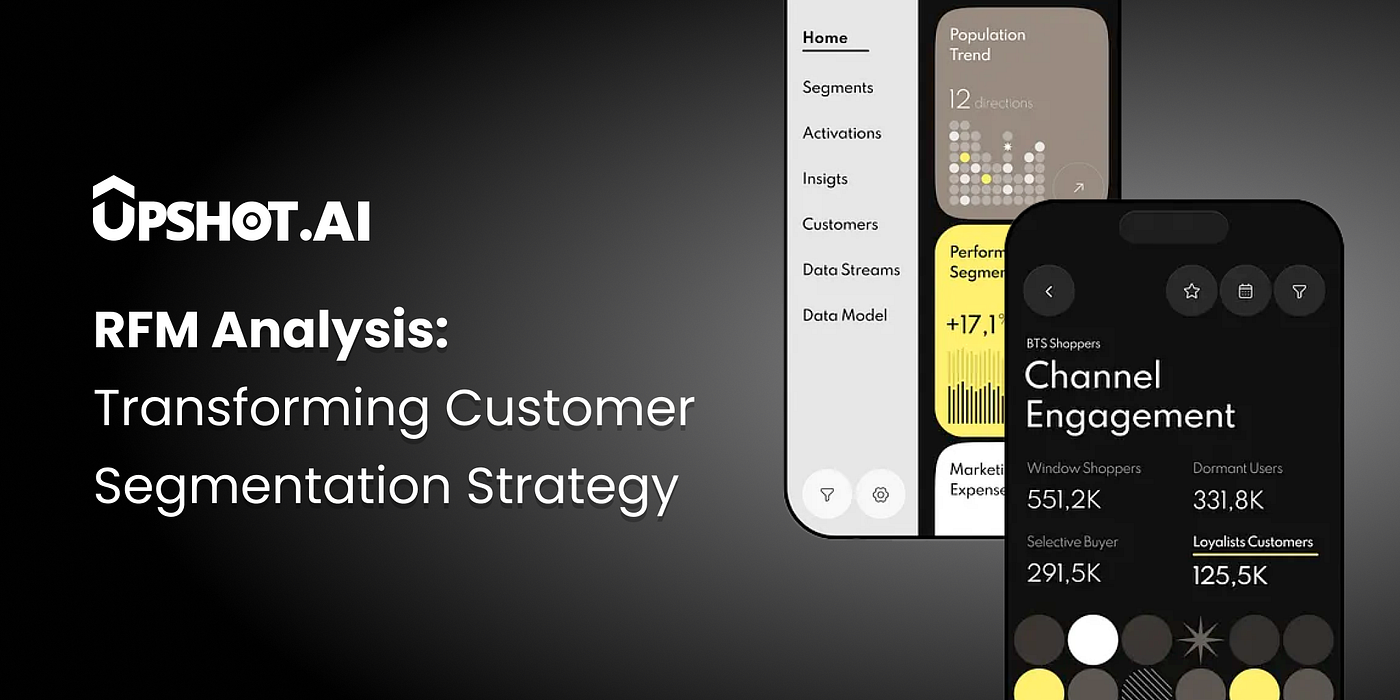
It’s imperative to know your customers for consistent business growth, and to do that, start by effectively examining what they do, not just who they are. That’s where RFM analysis makes a difference. It helps you group customers based on how recently they’ve purchased, how often they come back, and how much they spend. It’s a simple, data-driven way to spot your most valuable relationships and tailor your strategy around them.
In this blog, you’ll learn how RFM analysis works, why it matters, and how you can use it to improve your customer segmentation and results.
What Is RFM Analysis?
RFM stands for Recency, Frequency, and Monetary Value, three simple ways to understand customer behavior. Recency looks at how recently someone made a purchase. Frequency tracks how often they make a purchase. Monetary value measures their overall spending.
With RFM analysis, you score each customer in these three areas, typically ranging from 1 (low) to 5 (high). When you combine these scores, you get a quick, clear picture of how engaged and valuable that customer is to your business. It’s a practical way to see who’s loyal, who’s slipping away, and who brings in the most revenue.
For example, a customer with an RFM score of 555 is:
- Very recent
- Very frequent
- High spender
They’re your top-tier customer. Someone with a score of 111? Probably inactive and low-value.
Why RFM Analysis Matters in 2025
With rising acquisition costs and tighter budgets, customer retention is more critical than ever. RFM helps you:
- Identify your best customers
- Target at-risk buyers before they churn
- Design tailored campaigns based on behavior.
- Allocate marketing budget with precision.
According to a 2025 Adobe Digital Trends report, companies that focus on behavior-based segmentation see a 35% lift in retention and 28% higher marketing ROI.
Understanding the value of each customer is no longer optional; it’s essential,” says Priya Nambiar, Chief Growth Officer at Clearbit. “RFM turns customer data into clear, actionable insights.
How RFM Analysis Works Step by Step
- Collect transaction data: Use purchase records to find the last order date, frequency of orders, and total amount spent.
- Score each dimension: Assign scores (1–5) to each customer for recency, frequency, and monetary value.
- Segment customers: Use RFM scores to group customers into categories:
- Champions (555)
- Loyal customers (x5x)
- Big spenders (xx5)
- At-risk (low recency, high past value)
- Lost (111)
4. Act on insights: Target campaigns based on segment behavior. For example:
- Send loyalty rewards to champions.
- Win back customers with low recency.
- Upsell to frequent buyers.
Real Examples of RFM in Action
eCommerce
Shopify stores use RFM to create VIP lists for early access sales. According to a study, stores that utilize RFM campaigns experience a 20% increase in repeat purchases.
SaaS
Customer success teams use RFM to prioritize renewals. Frequent users who recently logged in but haven’t upgraded are prime for upselling.
Retail
Brands like Sephora segment high-spending, frequent buyers into loyalty tiers, offering exclusive rewards that boost lifetime value.
RFM vs Traditional Segmentation
Traditional methods tell you who your customers are. RFM tells you what they do and how valuable they are to your business.
Long-Term Strategy: RFM + Predictive Modeling
RFM is an excellent starting point, but pair it with predictive models, and you can forecast:
- Customer lifetime value (CLV)
- Likelihood to churn
- Propensity to buy
In 2024, McKinsey reported that brands utilizing RFM and machine learning experienced a threefold increase in customer lifetime value.
Final Thoughts
RFM analysis doesn’t just help you group customers, it enables you to understand them. Instead of guessing who might buy again, you’ll know who’s loyal, who’s slipping away, and who’s worth re-engaging. That’s the power of data that speaks to action.
While demographic data tells you who your customers are, RFM tells you what they do and, more importantly, how valuable they are to your business. Whether you use tools like HubSpot, or a custom Python script, RFM is a simple yet powerful way to personalize marketing, enhance customer retention, and increase revenue.
If you want more intelligent segmentation without overcomplicating things, RFM is the strategy to start with. It’s clear, actionable, and built on the data you already have.
How Upshot.ai Can Help with RFM Analysis
- Real-time Targeting: Trigger personalized in-app messages, emails, or push notifications based on each customer’s RFM segment (e.g., champions, at-risk, lost).
- Behavior-Based Automation: Utilize behavioral data, such as purchase frequency or last login, to automate campaigns without manual setup.
- Customer Journeys: Build journey flows that adapt to RFM scores and send loyalty rewards to top-tier users or win-back messages to inactive ones.
- Easy Integration: Sync RFM data from your CRM or analytics tools into Upshot to activate it across all touchpoints.
- Visual Campaign Builder: No coding required, marketers can design and deploy RFM-driven engagement flows using Upshot’s intuitive interface.
- Data-Driven Insights: Monitor campaign performance by RFM group to optimize messaging and increase ROI over time.
메타데이터
- post_id
- 1be1df056fa9
- slug
- rfm-analysis-transforming-customer-segmentation-strategy-1be1df056fa9
- url
- https://medium.com/@upshot-ai/rfm-analysis-transforming-customer-segmentation-strategy-1be1df056fa9
- canonical_url
- https://medium.com/@upshot-ai/rfm-analysis-transforming-customer-segmentation-strategy-1be1df056fa9
- author_url
- https://medium.com/@upshot-ai
- status
- ok
- fetched_at
- 2026-06-13 07:35:29