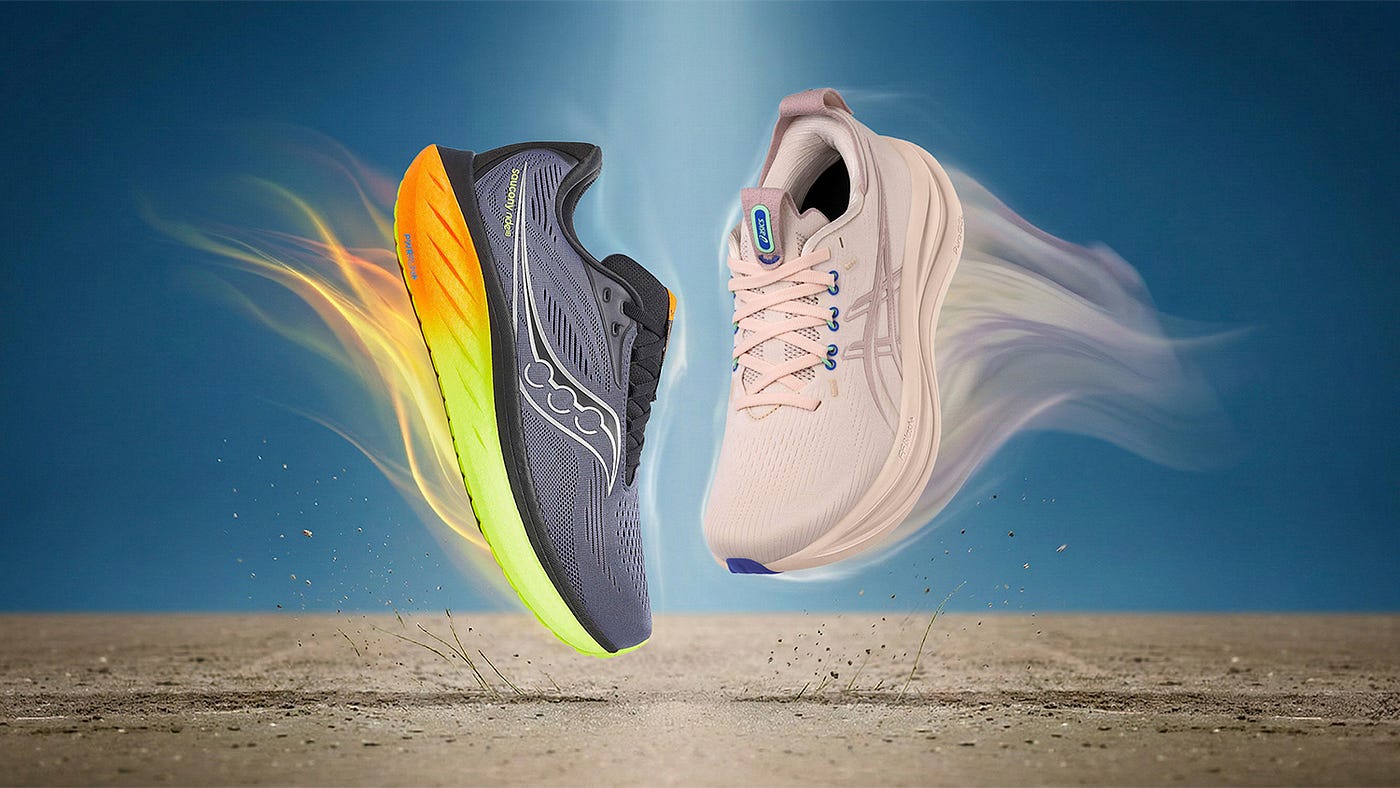
Wide Feet Running Shoes
My Wide Feet Ruined Every Run for Two Years. Then I Learned This.
Wide Feet Running Shoes

My Wide Feet Ruined Every Run for Two Years. Then I Learned This.
I thought I hated running. Turns out, I just hated running in the wrong shoes.
For two years, I bought standard-width running shoes because that’s what running shoes were. I’d squeeze my feet in, lace up, and by mile 3 the tingling would start — toes going numb, sides of my feet aching, a blister forming on my little toe that never fully healed before the next run.
I assumed this was normal. I assumed feet just hurt during running. I was wrong.
The discovery.
It took a physiotherapist — not a running store, not a YouTube video — to ask me a simple question: “Have you ever had your foot width measured?”
I had not. In 35 years of buying shoes, I had never done this.
My feet measure wide — technically in the 2E range. Every standard running shoe I had ever owned was a D width. I had been compressing my feet for thousands of miles.
The moment I ran in a properly fitted wide-width shoe, I felt the difference within the first 400 meters. My toes could splay naturally. The pressure on my forefoot disappeared. I ran 8 miles that day without a single moment of discomfort.
👉 Specific shoe recommendations for wide feet at every price point — tested and ranked. **See the full guide on Top Runners**
What “wide” actually means in running shoes.
Shoe widths are measured in letters: B (narrow), D (standard for men), 2E (wide), 4E (extra wide). Most shoes displayed at running stores are D width. Brands offer a wide range, but they don’t always promote it.
Key features to look for: a roomy toe box that allows natural toe splay, flexible upper materials that don’t create pressure points, and proper heel hold so the extra forefoot room doesn’t turn into heel slipping.
Zero-drop brands (Altra, Topo Athletic) often have wider toe boxes naturally, even in standard widths — worth knowing if you’re between sizes.
The fitting process that changed everything.
Go to a specialty running store, not a general sports retailer. Ask specifically for a width measurement. Try shoes in the afternoon when your feet have swelled to their daily maximum. And run in the store before buying.
If you have wide feet and running has always been uncomfortable, I’d put good money on the fact that you’ve never run in a shoe that actually fits you.
The right fit isn’t a luxury. It’s the baseline. Everything else in running — form, training, pacing — is built on top of it.
👉 Full shoe guide with wide-fit recommendations for road, trail, and racing: **Read it on Top Runners**
Laura Evans writes about gear and fit at Top Runners. She now owns four pairs of wide-fit shoes and refuses to apologize for any of them.
메타데이터
- post_id
- 21b333bc6ba4
- slug
- wide-feet-running-shoes-21b333bc6ba4
- url
- https://medium.com/@toprunners/wide-feet-running-shoes-21b333bc6ba4
- canonical_url
- https://medium.com/@toprunners/wide-feet-running-shoes-21b333bc6ba4
- author_url
- https://medium.com/@toprunners
- status
- ok
- fetched_at
- 2026-06-21 22:26:41