Box breathing exercise benefit for anxiety shaking: A complete science-backed guide to calming…
Anxiety does not always announce itself gently. Sometimes it arrives like a storm — fast heartbeat, trembling hands, tight chest, racing…
Box breathing exercise benefit for anxiety shaking: A complete science-backed guide to calming panic naturally
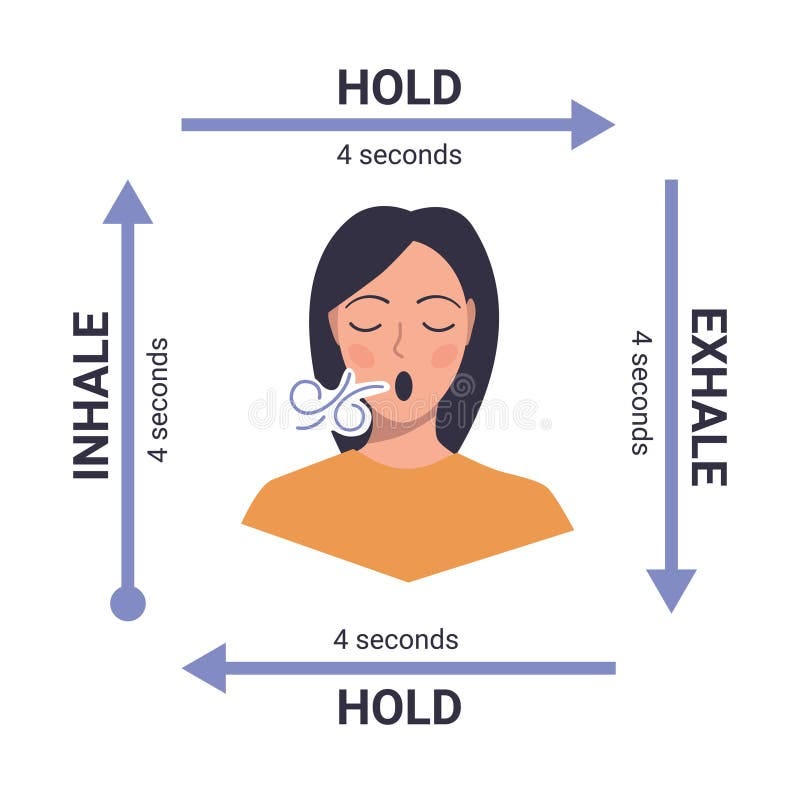
Box breathing exercise
Anxiety does not always announce itself gently. Sometimes it arrives like a storm — fast heartbeat, trembling hands, tight chest, racing thoughts. In such moments, simple techniques can become powerful tools. One of the most effective and accessible methods is the **box breathing exercise**. This structured breathing pattern helps regulate the nervous system and reduce anxiety shaking in real time.
This article explores the **box breathing exercise benefit for anxiety shaking** in depth — covering its science, technique, psychological impact, and long-term advantages. The goal is not just to inform, but to help you apply it when it matters most.
What is anxiety shaking — this question often arises in moments when the body begins to tremble without warning, when the hands feel unsteady, the legs weaken slightly, and the mind struggles to keep pace with the sudden surge of sensations that seem to come from nowhere and everywhere at once.
Anxiety shaking is a physical manifestation of psychological stress, a visible signal of the body’s internal alarm system activating in response to perceived danger, even when that danger is not immediate or tangible. It is rooted deeply in human biology, in the survival mechanisms that have protected individuals for thousands of years. When the brain detects a threat, whether real or imagined, it triggers a cascade of physiological changes designed to prepare the body for action. This process is commonly referred to as the fight-or-flight response, and it plays a central role in explaining what is anxiety shaking.
In such moments, the nervous system shifts gears rapidly. The sympathetic branch becomes dominant, releasing stress hormones like adrenaline and cortisol into the bloodstream. These hormones act quickly. The heart begins to beat faster. Breathing becomes shallow and rapid. Muscles tighten, preparing for movement. Energy is redirected toward essential systems. And within this intense physiological shift, shaking emerges as a byproduct of heightened readiness.
The trembling itself may appear in different forms. Some individuals notice a fine vibration in their hands. Others experience a more pronounced shaking in their legs, especially when standing or walking. In certain cases, the entire body may feel unsteady, as if a subtle internal tremor is running through the muscles. This variation depends on the intensity of the anxiety, the individual’s sensitivity, and the specific triggers involved.
Understanding what is anxiety shaking requires looking beyond the surface. It is not merely a symptom to be dismissed or feared. Instead, it is a communication from the body. It indicates that the system is overloaded, that stress levels have reached a point where physical expression becomes unavoidable. The body is attempting to release excess energy, to restore balance after a surge of hormonal activity.
The role of adrenaline in this process is particularly significant. When adrenaline floods the system, it accelerates multiple bodily functions. Blood pressure rises. Reaction time improves. Muscles receive increased oxygen supply. However, this heightened state also creates instability within the muscular system. The rapid firing of nerves, combined with increased muscle tension, leads to involuntary movements. These movements are perceived as shaking.
Cortisol, another stress hormone, contributes in a different way. It sustains the body’s alert state over a longer period. While adrenaline acts quickly and intensely, cortisol maintains the stress response. Elevated cortisol levels can prolong muscle tension, making the shaking persist even after the initial trigger has passed. This is why some individuals continue to feel tremors long after a stressful event has ended.
Muscle tension itself is a crucial component in explaining what is anxiety shaking. When anxiety builds, muscles contract in preparation for action. This contraction is not always released efficiently. Instead, it can linger, creating a state of partial activation. The muscles are neither fully relaxed nor fully engaged. This imbalance produces small, repetitive movements that manifest as trembling.
At times, the shaking is influenced by nutritional and physiological factors. Stress can disrupt normal eating patterns, leading to fluctuations in blood sugar levels. When blood sugar drops, the body may respond with shakiness, weakness, and irritability. Similarly, deficiencies in essential minerals such as magnesium can affect nerve function and muscle control, making the body more susceptible to tremors during periods of anxiety.
The experience of anxiety shaking is often accompanied by other symptoms. A person may feel a tightening in the chest, a sense of breathlessness, or a racing heartbeat that seems disproportionate to the situation. Thoughts may become scattered. Concentration may decline. There is often a feeling of losing control, even though the body is simply following its programmed response to stress.
Despite how alarming it can feel, anxiety shaking is generally harmless. It does not indicate a serious underlying physical condition in most cases. Instead, it reflects the body’s attempt to cope with stress. Recognizing this can change the way the symptom is perceived. Fear often amplifies the experience. Understanding reduces that amplification.
The triggers for anxiety shaking are diverse. Emotional stress is a common cause. Situations involving uncertainty, pressure, or high expectations can activate the response. An upcoming exam, a critical meeting, or unexpected news can all lead to a surge in anxiety. The body reacts not to the event itself, but to the interpretation of that event. If the mind perceives it as threatening, the physical response follows.
Environmental factors also play a role. Loud noises, crowded spaces, or unfamiliar surroundings can heighten sensory input, increasing stress levels. For individuals who are already prone to anxiety, these factors can push the system toward overload, resulting in shaking.
Past experiences influence present reactions. Memories of previous stressful events can create patterns within the brain. When a similar situation arises, the brain may react as if the past event is happening again. This learned response can trigger anxiety shaking even when the current situation is relatively safe.
There is also a psychological dimension that shapes what is anxiety shaking. Anticipation can be as powerful as the event itself. Worrying about a future outcome can activate the same physiological responses as an actual threat. The body does not always distinguish between imagined and real danger. As a result, shaking can occur even in the absence of immediate external stress.
Managing anxiety shaking involves addressing both the physical and psychological aspects of the response. Breathing techniques are among the most effective tools. Controlled breathing slows the heart rate and signals the nervous system to shift toward a state of calm. As breathing becomes more regular, muscle tension decreases, and the shaking subsides.
Grounding techniques provide another layer of support. Focusing on the present moment helps redirect attention away from anxious thoughts. Simple actions, such as noticing physical sensations or engaging with the environment, can interrupt the cycle of anxiety. This interruption reduces the intensity of the physical response.
Regular physical activity contributes to long-term stability. Exercise helps regulate stress hormones and improves overall resilience. It allows the body to release built-up tension in a controlled manner, reducing the likelihood of sudden shaking episodes.
Nutrition plays a supportive role. Maintaining stable blood sugar levels through balanced meals prevents additional stress on the body. Adequate intake of essential nutrients supports nerve and muscle function, reducing sensitivity to stress-induced tremors.
Sleep is equally important. Lack of rest increases the body’s vulnerability to stress. When the mind and body are fatigued, the threshold for triggering anxiety responses becomes lower. Ensuring consistent, quality sleep strengthens the body’s ability to manage stress effectively.
The frequency and intensity of anxiety shaking can vary widely. For some individuals, it is an occasional experience tied to specific situations. For others, it may occur more regularly, especially during periods of prolonged stress. Monitoring patterns can provide insight into triggers and help guide effective management strategies.
In cases where anxiety shaking becomes persistent or significantly disruptive, professional guidance may be beneficial. Mental health professionals can provide tailored strategies, including cognitive approaches that address thought patterns contributing to anxiety. This support helps reduce the overall burden on the nervous system.
Understanding what is anxiety shaking also involves recognizing its temporary nature. The body cannot sustain the fight-or-flight response indefinitely. Eventually, the system begins to return to baseline. The shaking diminishes. Breathing normalizes. The sense of urgency fades. This natural resolution is an important reminder that the experience, while intense, is not permanent.
Awareness transforms perception. When individuals understand the mechanisms behind their symptoms, fear decreases. The shaking is no longer an unknown threat. It becomes a known response, one that can be managed and reduced over time.
There is a rhythm to the body’s responses, a cycle that moves from activation to recovery. Anxiety shaking is part of that cycle. It represents a peak, a moment when the system is highly active. What follows is equally important — the gradual return to balance.
In the broader context of mental health, anxiety shaking serves as a signal rather than a problem in isolation. It points to underlying stress, to patterns of thought and behavior that may need attention. Addressing these underlying factors leads to more lasting relief than focusing solely on the symptom itself.
The journey toward managing anxiety is not about eliminating all stress. It is about building resilience, developing tools that allow the body and mind to respond more effectively. Within this journey, understanding what is anxiety shaking is a crucial step. It provides clarity. It reduces fear. It opens the door to practical solutions.
As individuals learn to interpret their body’s signals, they gain a sense of control. The shaking, once overwhelming, becomes manageable. The experience shifts from something to fear to something to understand. And in that shift lies the foundation for lasting calm.Table of Contents
Table of Contents
- What is Anxiety Shaking and Why It Happens
- Understanding Panic Attacks and Their Warning Signs
- Box Breathing Exercise Benefit for Anxiety Shaking: Core Concept
- The Science Behind Box Breathing and Stress Hormones
- Box Breathing Exercise Benefit for Anxiety Shaking in Real-Life Situations
- Step-by-Step Guide to Practicing Box Breathing
- Common Mistakes While Doing Box Breathing
- Box Breathing Exercise Benefit for Anxiety Shaking and Brain Function
- How Box Breathing Improves Heart Rate and Blood Pressure
- Daily Practice Routine for Long-Term Anxiety Relief
- Box Breathing vs Other Breathing Techniques
- When Anxiety Becomes a Disorder
- Lifestyle Changes to Support Breathing Practices
- Final Thoughts on Building Calm Through Breath
What is Anxiety Shaking and Why It Happens

Anxiety shaking
Anxiety shaking is not imaginary. It is a physical response triggered by the body’s stress system. When your brain senses danger — real or perceived — it activates the “fight or flight” response.
Short sentences. Rapid changes. A sense of urgency.
Your body releases stress hormones like cortisol and adrenaline. These chemicals prepare your muscles for action. As a result:
- Hands may tremble
- Legs may feel weak
- Breathing becomes shallow
- Heart rate increases
- Thoughts become scattered
This is your body trying to protect you. But when it happens without real danger, it feels overwhelming.
Understanding Panic Attacks and Their Warning Signs
A panic attack is an intense wave of fear that can peak within minutes. It often feels like losing control.
Symptoms include:
- Sudden chest tightness
- Dizziness or lightheadedness
- Rapid heartbeat
- Sweating or chills
- Shaking or trembling
- Shortness of breath
Sometimes, it can feel like a serious medical emergency. That’s why many people panic even more during the episode.
The key is interruption. You need a method that breaks the cycle quickly. This is where controlled breathing plays a crucial role.
Box breathing exercise benefit for anxiety shaking: Core Concept
Box breathing is a structured breathing technique divided into four equal parts. Think of it like a square — each side represents a step.
- Inhale
- Hold
- Exhale
- Hold again
Each phase is timed evenly.
This rhythm creates stability. It slows the nervous system. It gives the mind something to focus on.
When anxiety causes chaos, structure brings calm.
The Science Behind Box Breathing and Stress Hormones
Breathing is directly linked to the autonomic nervous system. This system controls involuntary functions like heart rate and digestion.
There are two main branches:
- Sympathetic (activates stress response)
- Parasympathetic (promotes relaxation)
Box breathing activates the parasympathetic system.
Slow breathing reduces cortisol levels. It signals safety to the brain. Over time, this reduces the intensity of anxiety responses.
Longer exhalations are especially important. They help slow the heart rate. They create a sense of release.
Box breathing exercise benefit for anxiety shaking in Real-Life Situations
The true strength of this technique lies in its usability. You can practice it anywhere.
Before an exam During a stressful meeting After receiving bad news While lying awake at night
Even in public spaces, it can be done quietly.
Short breath. Long pause. Slow release.
That’s all it takes.
Many individuals report that within a few cycles, their shaking reduces. Their thoughts become clearer. Their body regains control.
Step-by-Step Guide to Practicing Box Breathing
Box breathing exercise benefit for anxiety shaking: Step-by-step method
Follow these steps carefully:
- Sit comfortably. Keep your back straight.
- Close your eyes if possible.
- Exhale completely through your mouth.
- Inhale slowly through your nose for 4–10 seconds.
- Hold your breath for 4–5 seconds.
- Exhale slowly for 4–10 seconds.
- Hold again for 4–5 seconds.
Repeat the cycle.
Focus only on counting. Let thoughts pass without resistance.
Start with shorter durations. Gradually increase as you feel comfortable.
Box breathing exercise benefit for anxiety shaking: Advanced variation
Once you gain control, extend the duration:
- Inhale: 6 seconds
- Hold: 6 seconds
- Exhale: 6 seconds
- Hold: 6 seconds
This creates deeper relaxation. It also improves lung capacity.
Common Mistakes While Doing Box Breathing
Even simple techniques can go wrong.
Avoid these errors:
- Breathing too fast
- Forcing deep breaths
- Skipping the holding phase
- Practicing only during panic
Consistency matters more than intensity.
Gentle breathing works better than forced breathing.
Box breathing exercise benefit for anxiety shaking and Brain Function
The brain thrives on rhythm. Predictability reduces stress.
When you follow a breathing pattern, your brain shifts from emotional reactivity to logical control.
This reduces overthinking. It improves clarity.
Short pauses between breaths create mental space. That space is powerful.
It allows you to regain control over your thoughts.
Box breathing exercise benefit for anxiety shaking and Heart Health
Anxiety often increases heart rate and blood pressure.
Box breathing helps regulate both.
- Slower breathing reduces heart rate
- Oxygen levels stabilize
- Blood pressure gradually decreases
Over time, regular practice can support cardiovascular health.
It is not a replacement for medical care. But it is a valuable complementary tool.
Box breathing exercise benefit for anxiety shaking and Sleep Quality
Many people experience anxiety at night.
Thoughts loop. Sleep becomes difficult.
Box breathing interrupts this pattern.
Slow breathing signals the body to relax. It prepares the brain for rest.
Practicing before bedtime can:
- Reduce racing thoughts
- Improve sleep onset
- Enhance sleep quality
Consistency is key.
Daily Practice Routine for Long-Term Anxiety Relief
Box breathing exercise benefit for anxiety shaking: Daily routine
Morning:
- Practice for 5 minutes after waking
- Set a calm tone for the day
Afternoon:
- Use during stressful situations
- Prevent anxiety buildup
Night:
- Practice before sleep
- Promote relaxation
Short sessions. Repeated often.
That’s the formula.
Box breathing vs Other Breathing Techniques
There are many breathing methods available:
- Deep breathing
- Alternate nostril breathing
- 4–7–8 breathing
Box breathing stands out because of its simplicity.
Equal timing. Clear structure.
No complexity.
It is easy to remember — even during panic.
When Anxiety Becomes a Disorder
Occasional anxiety is normal.
But frequent panic attacks may indicate a deeper issue.
Warning signs:
- Repeated panic episodes
- Constant worry
- Avoidance behavior
- Physical symptoms without clear cause
In such cases, professional guidance is essential.
Breathing techniques can help manage symptoms. But they should be part of a broader approach.
Lifestyle Changes to Support Breathing Practices
Practice box breathing at home
Breathing alone is powerful. But combined with lifestyle adjustments, it becomes even more effective.
Consider these habits:
- Regular physical activity
- Balanced nutrition
- Adequate hydration
- Reduced caffeine intake
- Consistent sleep schedule
Mental health thrives on routine.
Small changes create big impact over time.
Box breathing exercise benefit for anxiety shaking and Emotional Stability
Emotions are not always logical.
They rise suddenly. They overwhelm.
Box breathing creates a pause.
In that pause, emotions lose intensity.
You gain perspective.
You respond instead of reacting.
This shift is subtle — but transformative.
Box breathing exercise benefit for anxiety shaking in High-Pressure Environments
High-pressure situations amplify anxiety.
Interviews. Presentations. Deadlines.
In these moments, breathing becomes shallow.
Box breathing restores balance.
It grounds you.
It helps maintain composure.
Even a few cycles can improve performance.
Building a Habit Around Box Breathing
Habits are formed through repetition.
Start small.
Practice daily — even when calm.
This prepares your body for stressful situations.
When anxiety strikes, your body will already know what to do.
That familiarity reduces fear.
Final Thoughts on Building Calm Through Breath
The box breathing exercise benefit for anxiety shaking lies in its simplicity, accessibility, and effectiveness.
No equipment. No special environment. No cost.
Just breath.
In moments of chaos, it offers structure. In moments of fear, it offers control.
Anxiety may not disappear completely. But with the right tools, it becomes manageable.
And sometimes, the most powerful tool is the one you carry within you — your breath.
메타데이터
- post_id
- 227c24f44c17
- slug
- box-breathing-exercise-benefit-for-anxiety-shaking-a-complete-science-backed-guide-to-calming-227c24f44c17
- url
- https://medium.com/@dcdigiinfomedia/box-breathing-exercise-benefit-for-anxiety-shaking-a-complete-science-backed-guide-to-calming-227c24f44c17
- canonical_url
- https://medium.com/@dcdigiinfomedia/box-breathing-exercise-benefit-for-anxiety-shaking-a-complete-science-backed-guide-to-calming-227c24f44c17
- author_url
- https://medium.com/@dcdigiinfomedia
- status
- ok
- fetched_at
- 2026-08-16 11:45:14