She Didn’t Want Me to Win — And Nobody Will Say It Out Loud
I found out through a chain of whispers. Someone in procurement told someone. That someone told me. The message was simple: my proposal…
She Didn’t Want Me to Win — And Nobody Will Say It Out Loud
I found out through a chain of whispers.
Someone in procurement told someone. That someone told me. The message was simple: my proposal had been blocked. Not because of budget. Not because of fit. Not because another firm was better. But because the woman who had the power to greenlight it didn’t want me to get it.
The proposal was for a significant piece of work — a complete overhaul and rebrand of a global engineering giant. I’d maintained good relationships with people across that organisation long after I’d left. They reached out to me. They wanted me. The work was right in my wheelhouse. But none of that mattered, because one woman — a woman in a senior leadership position — decided, quietly and without explanation, that I wouldn’t win.
I don’t know her exact reasons. But I know they weren’t professional. I was no longer in the company. I wasn’t competing for her role. I wasn’t a threat to her position, her budget, or her influence. And yet, the proposal was dead before I ever had the chance to present it.
The part that stays with me isn’t the lost work. It’s that I found out after. That she operated in silence, behind a closed door, and the only reason I know at all is because people who witnessed it felt uncomfortable enough to pass the information down an informal chain — but not uncomfortable enough to say anything officially.
That silence is the real story.
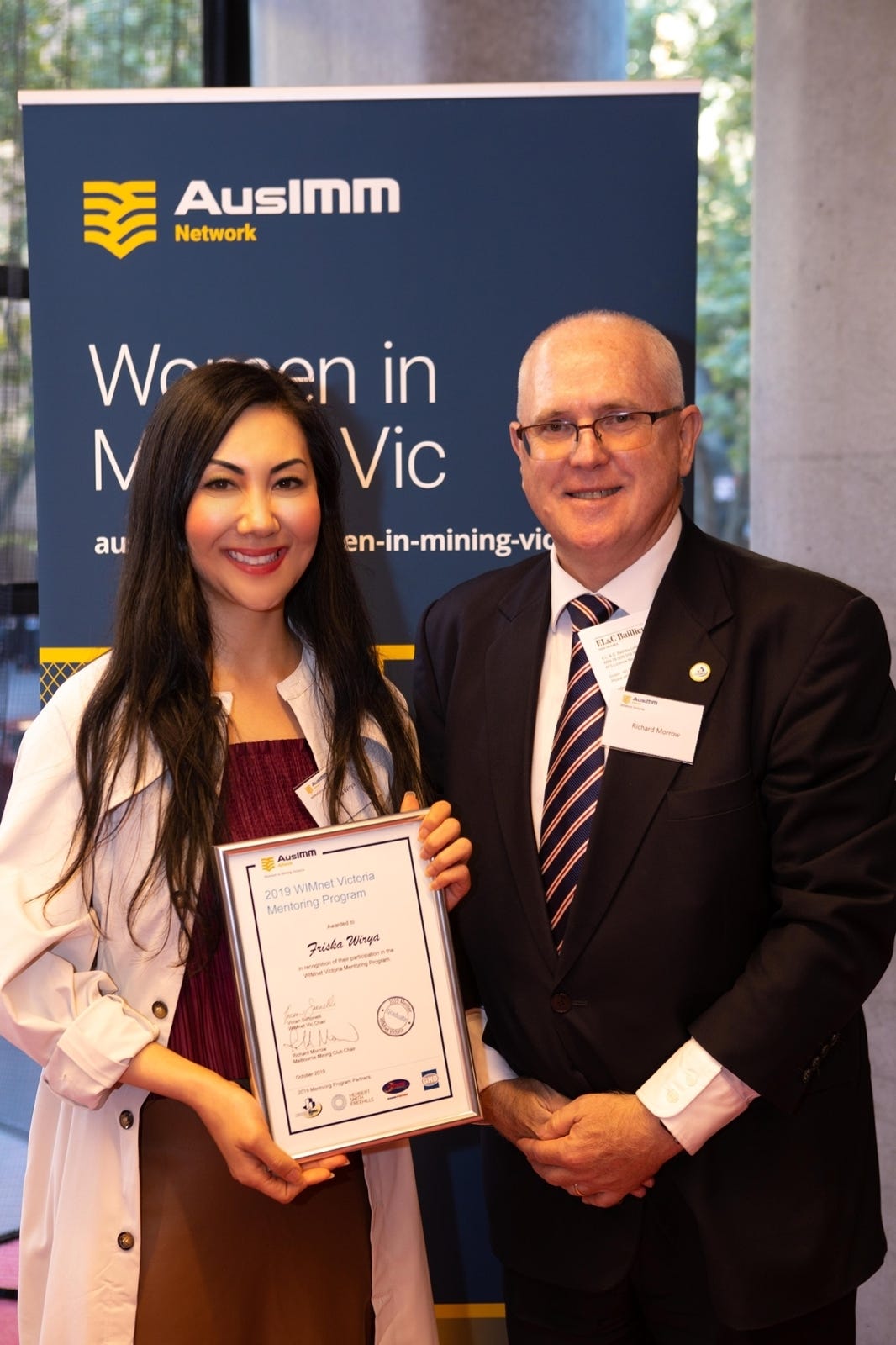
2019 Women in Mining Mentoring Program — if only it was the Sponsoring Program
The Conversation We’re All Having Privately
Let me be honest about why this article is difficult to write.
I have spent my career championing women in leadership. I’ve written about the Permission Paradox — the lie that power will be gifted to you if you’re patient enough. I’ve argued for sponsorship over mentoring, for hiring and promoting and paying women what they’re worth. I believe, deeply, that the systems most women operate in are not designed for their success.
And because I believe that, I need to say this: some of the worst gatekeeping women face doesn’t come from men. It comes from other women in positions of power. And the silence around it is deafening.
This is the conversation happening behind closed doors — over drinks after the conference, in DMs after the meeting, in the car park after work. The stories are remarkably consistent: a senior woman who blocks opportunities for the women below her. Who takes credit. Who undermines in private while performing solidarity in public. Who treats other women’s success as a personal threat.
Everyone has a name. Nobody says it out loud.
We don’t say it because it feels like a betrayal. Like we’re handing ammunition to the people who never wanted women in leadership in the first place. Like naming toxic behaviour in a woman somehow undermines the entire project of equality.
But I’ve come to believe the opposite is true. The silence doesn’t protect women. It protects the women who are doing the damage.
Three Faces of the Same Problem
The blocked proposal wasn’t my first encounter with this pattern. It wasn’t even the worst.
A few years ago, I interviewed for a leadership role at one of Australia’s largest business banks. The woman across the table was, on paper, someone I should have admired — a woman from a minority background, like me, with an impressive list of accolades and a visible presence in the community. She was exactly the kind of leader you’d point to and say, “See? The system works.”
The first words out of her mouth were: ”I need you to fire half the team — can you do it?”
Not “tell me about your approach to change management.” Not “how do you build high-performing teams.” Her opening question was whether I had the stomach to be her executioner.
I didn’t get the job. And in the months that followed, a procession of people who worked under her reached out — unprompted — to tell me how grateful I should be that I didn’t. The picture they painted was consistent and grim: nobody lasted more than six months on her team. The pattern was always the same — bullying, blocking opportunities, undermining in meetings, and a revolving door that leadership chose not to question because the numbers looked fine from the outside.
She’s still there. Still accumulating accolades. Still speaking on panels about lifting women up.
The third example is the one that haunts me the most — because it implicates me directly.
I was consulting for a company in the construction industry. A senior female VP was in a meeting with her team and several external stakeholders, including me. During the meeting, she spoke to a team member — dressed them down — with a level of contempt that made me physically recoil. It wasn’t feedback. It wasn’t even anger. It was humiliation, delivered calmly and precisely, in front of an audience.
The CEO was in the room. He said nothing.
And neither did I.
I sat there, stunned, and let the moment pass. I am embarrassed to admit that. I — someone who writes about the courage to speak up, who preaches about psychological safety, who argues that silence is complicity — said nothing. Everyone in that room chose comfort over confrontation. And that woman’s behaviour was reinforced one more time.

Industry event, 2020
Why She Does It (And Why It Doesn’t Excuse It)
I want to be careful here, because the last thing this conversation needs is another lazy caricature. The “Queen Bee” label gets thrown around as if these women were born cruel. They weren’t.
Here’s what I’ve observed across a decade of leading transformation in organisations across Australia, Indonesia, and the broader Asia-Pacific: the women who behave this way have almost always survived systems that taught them scarcity. They climbed through environments where there was, functionally, one seat at the table for a woman. Maybe two. And they internalised a brutal lesson: another woman’s rise is your fall.
That’s not an excuse. It’s a diagnosis.
When you’ve spent twenty years fighting for a single seat, the idea that seats can be added — that another woman’s success doesn’t diminish yours — doesn’t land as obvious. It lands as naive. You don’t see a rising colleague; you see a threat. You don’t see a talented consultant proposing good work; you see someone encroaching on your territory.
I understand the psychology. I have empathy for the path. But I refuse to let it become a shield against accountability. Because while we’re busy understanding her trauma, there’s a junior woman somewhere being bullied out of her potential. There’s a proposal being killed in silence. There’s a team cycling through people every six months while leadership looks the other way because the optics of having a senior woman are too valuable to question.
Empathy without accountability isn’t compassion. It’s enabling.
The CEO Problem
Let me be direct about something: toxic women in leadership don’t operate in a vacuum. They operate in organisations that let them.
Every single example I’ve described has a common thread — a CEO, a board, or a leadership team that chose not to act. The construction CEO who sat in the room while his VP humiliated a team member. The bank that kept cycling through junior staff without asking why. The engineering company where a proposal was blocked through backchannels and nobody thought to question the process.
These organisations aren’t unaware. They’re making a calculation: the cost of confronting a senior woman — the optics, the risk of a discrimination claim, the discomfort — is higher than the cost of the damage she’s doing. So they look away. And in doing so, they become complicit.
If you are a CEO reading this: your silence isn’t neutrality. It’s a choice. And every day you make it, you’re telling every woman in your organisation that power matters more than conduct. That being senior means being untouchable. That the rules about leadership, respect, and psychological safety apply to everyone except the people who need them most.
What Actually Needs to Change
I’m not interested in wrapping this up with a tidy bow. This is too important for platitudes. So here’s what I believe needs to happen, stated plainly:
Women need to hold other women accountable. Not privately, over wine. Not in whispered chains of “did you hear what she did.” Directly. Formally. With the same rigour and the same consequences we demand when the offender is male. If we truly believe that women belong in leadership — and I do, with every fibre of my being — then we must also believe that women in leadership deserve to be held to the highest standard. Not a different standard. Not a lower one. The same one.
Organisations need to stop treating senior women as untouchable. A woman in a VP role is not a mascot. She is a leader, and she should be evaluated on the same criteria as every other leader: Does her team stay? Do people grow under her? Does she build or does she burn? If the answer is that nobody lasts six months, that is not a team problem. That is a leadership failure. Investigate it with the same urgency you’d bring to any other retention crisis.
We need to stop confusing representation with quality. Having a woman in a senior role is not, by itself, progress. It is progress only if that woman leads well. Promoting a woman who bullies, blocks, and undermines doesn’t advance the cause of women in leadership. It poisons it. It gives every critic ammunition to say, “See? We tried. It didn’t work.” And it teaches the next generation of women that the price of power is becoming the very thing you were fighting against.
And for the women experiencing this right now: I see you. I know you’re questioning yourself. I know you’re wondering if you’re being “too sensitive” or if you’re imagining it. You’re not. Trust what you’re seeing. Document it. Find allies — real ones, not performative ones. And know that her behaviour is not a reflection of your worth. It’s a reflection of a system that has failed both of you — her by teaching her that power is a zero-sum game, and you by refusing to protect you from the consequences of her lesson.
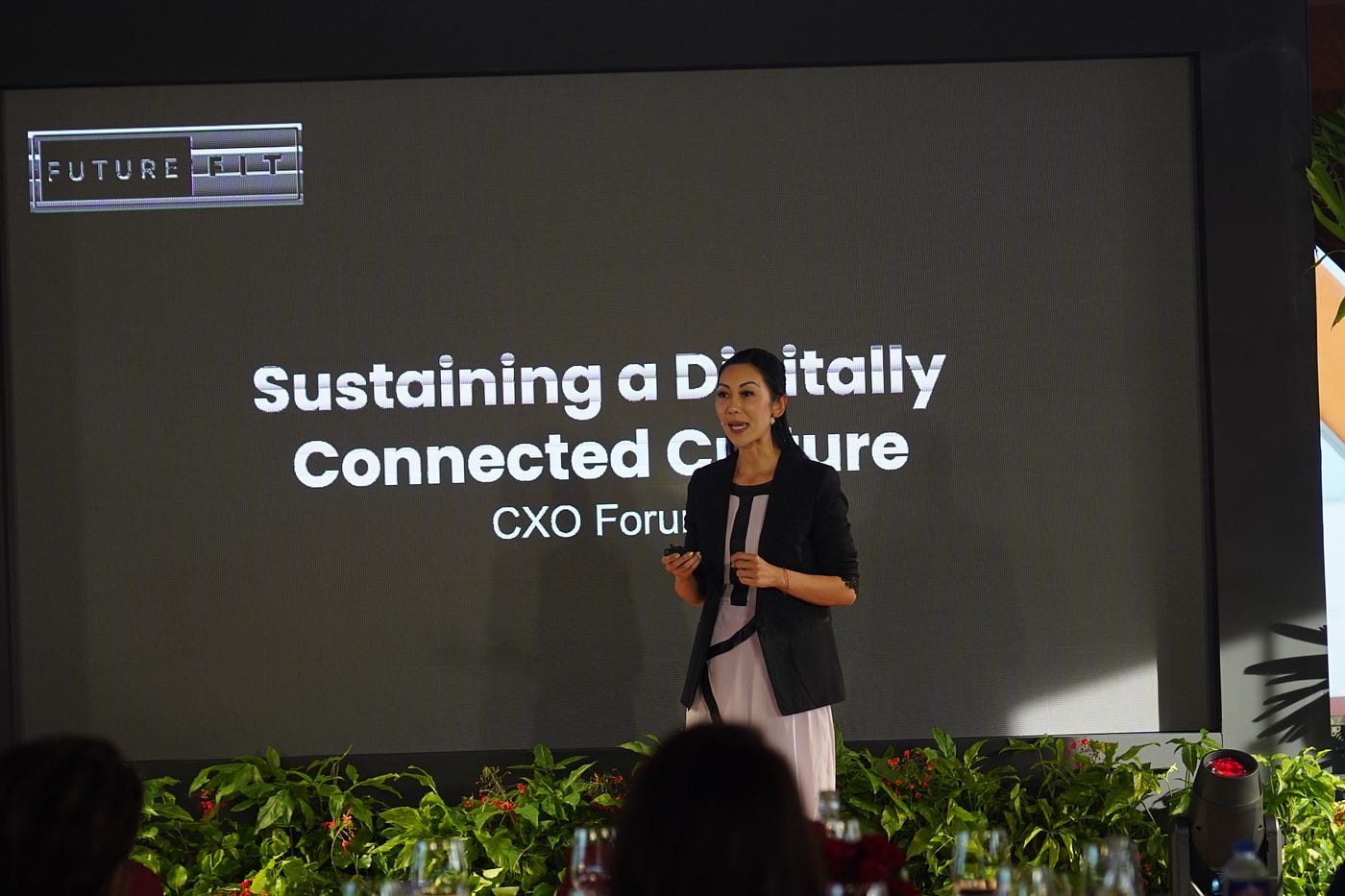
We all have a role to play
The Part Where I Implicate Myself
I want to end where it’s most uncomfortable: with me.
I sat in that construction meeting and said nothing. I watched a woman be humiliated by another woman, and I chose silence. I told myself it wasn’t my place. I told myself it would make things awkward. I told myself I’d address it later, privately. I didn’t.
That makes me part of the problem.
If I’m going to write about courage, about speaking up, about the Permission Paradox and refusing to wait for an invitation — then I have to be honest about the times I failed to do exactly that. Because the silence isn’t just coming from CEOs and boards. It’s coming from all of us — every person who has watched toxic behaviour unfold and decided that the cost of speaking was higher than the cost of staying quiet.
It wasn’t. It never is.
The next time I’m in that room, I won’t be silent. Not because I’ve suddenly become braver. But because I’ve realised that the women I write for — the ones fighting to be taken seriously, the ones navigating systems not built for them, the ones who just need one person to say ”that wasn’t okay” — deserve better than my comfort.
This isn’t a conversation we can keep having behind closed doors.
It’s time to say it out loud.
- Friska Wirya is a globally recognised transformation strategist, keynote speaker, and the creator of FUTURE TALK. She has led large-scale change programs across mining, engineering, higher education and technology across 6 continents.*
메타데이터
- post_id
- 41e610f56b69
- slug
- she-didnt-want-me-to-win-and-nobody-will-say-it-out-loud-41e610f56b69
- url
- https://medium.com/@hello_14151/she-didnt-want-me-to-win-and-nobody-will-say-it-out-loud-41e610f56b69
- canonical_url
- https://medium.com/@hello_14151/she-didnt-want-me-to-win-and-nobody-will-say-it-out-loud-41e610f56b69
- author_url
- https://medium.com/@hello_14151
- status
- ok
- fetched_at
- 2026-06-20 20:29:01