Break Me Off A Piece Of That
The break that we’ve all been waiting for
SOUNDS WORTHY SERIES (THE YUMMY EDITION)
Break Me Off A Piece Of That
The break that we’ve all been waiting for.
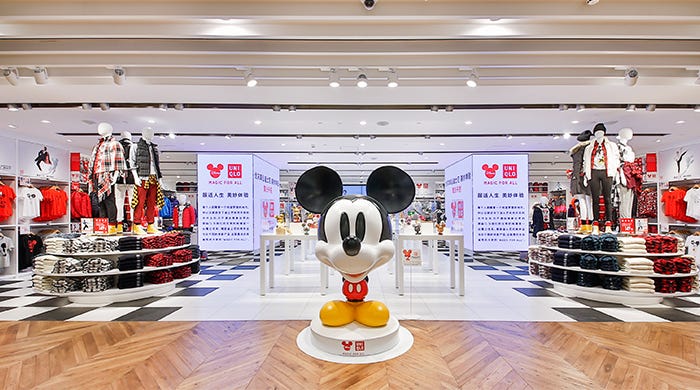
Photo by Justin on Unsplash
“That chocolatey taste is gonna make your day. And everywhere you go, you hear the people say…”
For nearly a century, the world has known the name of KitKat. But it wasn’t until the 1980s, when it was bought by Nestle, that the world experienced the “sound of KitKat”. The slogan and jingle were simple and crispy clear.
“Break me off a piece of that KitKat bar.”

AI Generated- Gemini
Memorable, repeatable, sensorial, and even instructional.
We weren’t just singing and saying a slogan; we were learning how to eat a KitKat!
[embed]1988 KitKat Commercial- YouTube
The melody literally mapped out the physical mechanics of the snack. 80s advertising, for one, leaned hard into this. That era of marketing showed us how fun it was to eat that chocolate wafer treat. It was easy to fit in your back pocket..
Pockets were bigger back then and apparently the chocolate didn’t melt on a hot day..
…and it was fun to share with friends, in fact, required!

AI Generated- Gemini
The commercials were all about getting that spare KitKat out and breaking the 4 sticks off to share with friends and family. It was loud, friendly, happy and full of positivity. Who wouldn’t want to break off a piece of that!?
Why KitKat got it right
KitKat wasn’t just a chocolate bar; it was an experience. It wasn’t about being flashy or cool. It was simply about being there when you needed a little sugar. The bar, the slogan, and the jingle were all chocolatey sweet and satisfying to all.
As for the jingle itself, we may not hear it as much anymore (boo), but KitKat, or rather Nestle, never diverged. They’ve just slightly veered to the left.
The current voice-over reads:
“Have a break. Have a KitKat.”
[embed]commercial archivist- YouTube
The brilliance of this left-sided veer is that they gave “break” a double meaning.
The KitKat message now is less geared towards a physical action and more towards a mental rest.
I don’t think I’ve ever seen (or heard of) a legacy brand doing something quite like this. They didn’t drop the original meaning; you still hear the SNAP sound after “have a break,” and the commercials are still an instruction manual on how to eat it. However, by giving the word “break” that double meaning, KitKat opened the door to directional possibilities.
KitKat and Nestle veered toward cultural relevance without changing their brand persona.
We’ve talked before about the incredible, untapped potential of sounds — like the Taco Bell “Bong!” and Chili’s Sizzling Fajitas (forthcoming). KitKat tapped into that exact same potential. They kept their iconic, unchanging sound, but successfully adapted and evolved what it meant to the modern audience.
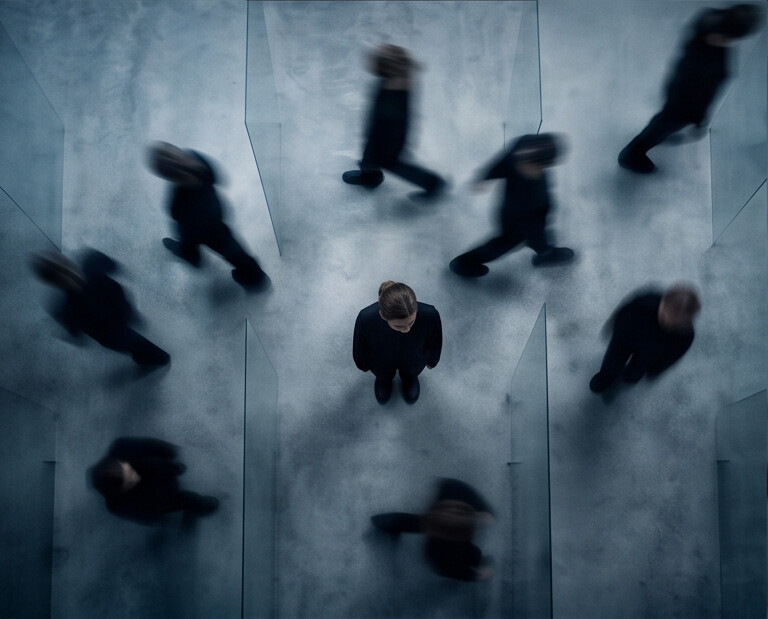
A rest or a break means different things for different people, especially depending on their age. A break for me is not a noisy street corner filled with lots of people talking all at once. A break for me is a quiet room to clear my mind.
Photo by Inside Weather on Unsplash
To be alone and to be surrounded by friends are both healthy breaks, designed for different experiences and moods.
With the door now propped wide open, the question remains: where will KitKat take this next?
Where KitKat is snapping off to
KitKat’s veering and open-dooring act leads to a very interesting future. Because their brand identity is secure, they have the ultimate creative freedom to experiment. If they continue exploring the use of sensorial experiences and sound marketing, what will that look and sound like? Let’s unwrap old vs. new campaigns and marketing styles to better prepare ourselves for the sweet confections to come.
The 1980s jingle
80s and 90s marketing was loud, chaotic, and full of conflicting colors and patterns. The song was sung as such. It was an acapella (mostly) song sung by kids and teens who weren’t necessarily amazing singers in a very casual and playful setting. It heavily defined a “break” as hanging out with friends. “Breaking” off a piece of a KitKat meant you were sharing, which you can only do in a group setting.
KitKat equaled community.
The current ASMR slogan
Nowadays, KitKat’s “break” means silence, quiet, or quite possibly solitude. Ditching the loud and chaotic for intentional sounds and images, the commercials as of late are specifically focused on eating a KitKat as a solo act. However, even with this reserved approach, the SNAP remains. Why and how can this work so well?
The noise isn’t treated as “noise” but rather a satisfying sigh of ASMR. I have my chocolate, so now I can take a “break”. This was also a pivot we saw with KFC and Hatch’s sleep aid partnership.
Frying oil and rain, anyone?
[embed]Kentucky Fried Chicken Rain Your sleep just got crunchier.medium.com
What’s the break going to sound like?
The first question to answer, and I don’t know the answer, is who are they marketing to? Are they marketing to their original audience, kids of the 80s and 90s, or are they marketing to kids of today? Or are they marketing to adults of today who weren’t fans before?
Personally, I think it’s for the original audience. Probably because I still relate to what they are feeding me. I wonder if I’m right?
Who they are marketing to, as we’ve explored in past Sounds Worthy articles, matters.
If I am correct, then although the silence as a break is spot on, stop putting “baby in the corner”. I want the jingle back!
I want to see the people and the harmony again, but in a different setting.
- Maybe they’re sitting in a living room on their couch rather than on their skateboards at the park.
- Maybe they’ve got a glass of wine instead of a soda to chase the chocolatey goodness.
- Maybe the jingle is more polished and sung by a professional singer, or their kids are singing it to them as they share their Halloween candy with their parents.
OK, now I’m just being ridiculous. The only way I’m getting my kids’ Halloween candy is after they go to bed!
I’d also love to see them bring back the friendship and camaraderie aspect. As of late, the commercials I see only feature the candy bar with a phantom SNAP into its separated pieces. What I loved in the 80s and 90s was that it was shareable. You’d have more friends if you stored a KitKat in your back pocket.
Although pockets are too small now, they could come out of a purse or a satchel (aka fanny pack) I suppose?
They could explore the bar design, the actual crack sound that the chocolate makes. As it is a wafer candy, the SNAP is unique. It’s an organic sound asset, miles apart from the chaotic volume of a loud chip bag.
Lean into it KitKat before Krackel or Crunch figures it out! What can you do with a crispy sound?
Wrap up
What could other legacy brands take from this? Lots! They could, and should, explore the idea of utility and product sound within their brand identity.
The funny thing is, when I tried to think of other brands to list within, I was transported back to the 80s and 90s yet again. Although marketing back then was generally hyperactive with sensory, there were a few that stood out: Bop It, Folgers, Coca-Cola, Pringles, Caramello, Blow Pop, Trouble (with the Pop-o-matic bubble). All of these brands helped the viewer better understand the brand by using word play, onomatopoeias, and sound associations.
As I’ve said many times over, the more senses at play, the stronger the connection to the audience. Facts and figures only go so far. At the end of the day, we operate off of gut reactions.
It always goes back to how we feel.
If a SNAP makes that chocolate taste better to you, then that’s the break you’ll crave every single time you need your chocolate fix.
Other Sounds Worthy Series Articles
[embed]The Fajita Effect Chili’s sensory explosion of taste from a sound.medium.com
[embed]The Crunchy Catastrophe When the chip hits the fan.medium.com
[embed]The Taco Bell “Bong!” Late-night cravings never sounded so good.medium.com
[embed]Kentucky Fried Chicken Rain Your sleep just got crunchier.medium.com
[embed]Notification Sounds Why they work and why they don’tjeanna-isham.medium.com
Jeanna Isham is a sound strategist and author at Dreamr Productions and SoundInMarketing.com. She creates, consults, and educates on the power of sound in marketing. Follow her on LinkedIn or join the Sound In Marketing Newsletter here.
메타데이터
- post_id
- 4feda4a436e6
- slug
- break-me-off-a-piece-of-that-4feda4a436e6
- url
- https://medium.com/design-bootcamp/break-me-off-a-piece-of-that-4feda4a436e6
- canonical_url
- https://medium.com/design-bootcamp/break-me-off-a-piece-of-that-4feda4a436e6
- author_url
- https://medium.com/@jeanna-isham
- status
- ok
- fetched_at
- 2026-06-20 20:29:01