Opt-Out Signals Are Here: What Changes for Digital Marketers
If Your Consent Banner Is Missing, Your Tracking Goes Dark
Opt-Out Signals Are Here: What Changes for Digital Marketers
If Your Consent Banner Is Missing, Your Tracking Goes Dark
Image Credit: https://www.shutterstock.com/g/ChinthakaGunaratne
It feels like only yesterday that GDPR swept through Europe, changing the way every digital marketer on the continent thought about user data. Not long after, the ripple reached American shores — California led the charge with the California Privacy Rights Act back on January 1, 2020, and the dominoes haven’t stopped falling since.
Now, eight years after the EU first lit the match, Google is finally doing what many of us have been waiting for: simplifying the “opt-out” signals process across both the US and EU at the same time. Honestly? I can’t blame them. Between relentless pressure from European regulators and a growing list of American states writing their own playbooks, the writing has been on the wall for a while.
And that list of states? It’s longer than you might think:
California (CCPA/CPRA), Virginia (VCDPA), Colorado (CPA), Connecticut (CTDPA), Utah (UCPA), Texas (TDPSA), Oregon (OCPA), Montana (MCDPA), Florida (FDBR), Iowa (ICDPA), Delaware (DPDPA), Nebraska (NDPA), New Hampshire (NHPA), New Jersey (NJDPA), Tennessee (TIPA), Minnesota (MCDPA), Maryland (MODPA), Indiana (ICDPA), Kentucky (KCDPA), and Rhode Island (RIDTPPA).
That’s twenty states — and counting. The public has made its voice heard, and as marketers, our job now is to listen and adapt.
Rethinking the “Cookie-less Future”
For years, I genuinely believed we were marching toward a cookie-less world. I was wrong — or at least, I was looking at it through the wrong lens.
Google hasn’t been sitting still. Over the last decade, the company has quietly transformed how it tracks and attributes user behavior. Cookies aren’t disappearing; they’re just becoming one ingredient in a much larger recipe. Today, Google relies on something broader and smarter: signals.
Signals include things like:
- The user’s browser
- Cookie-less (anonymous) pings that allow conversion reporting without personal tracking
- Device identifiers
- Scripts running on your website
- IP addresses
- And plenty more behind the scenes
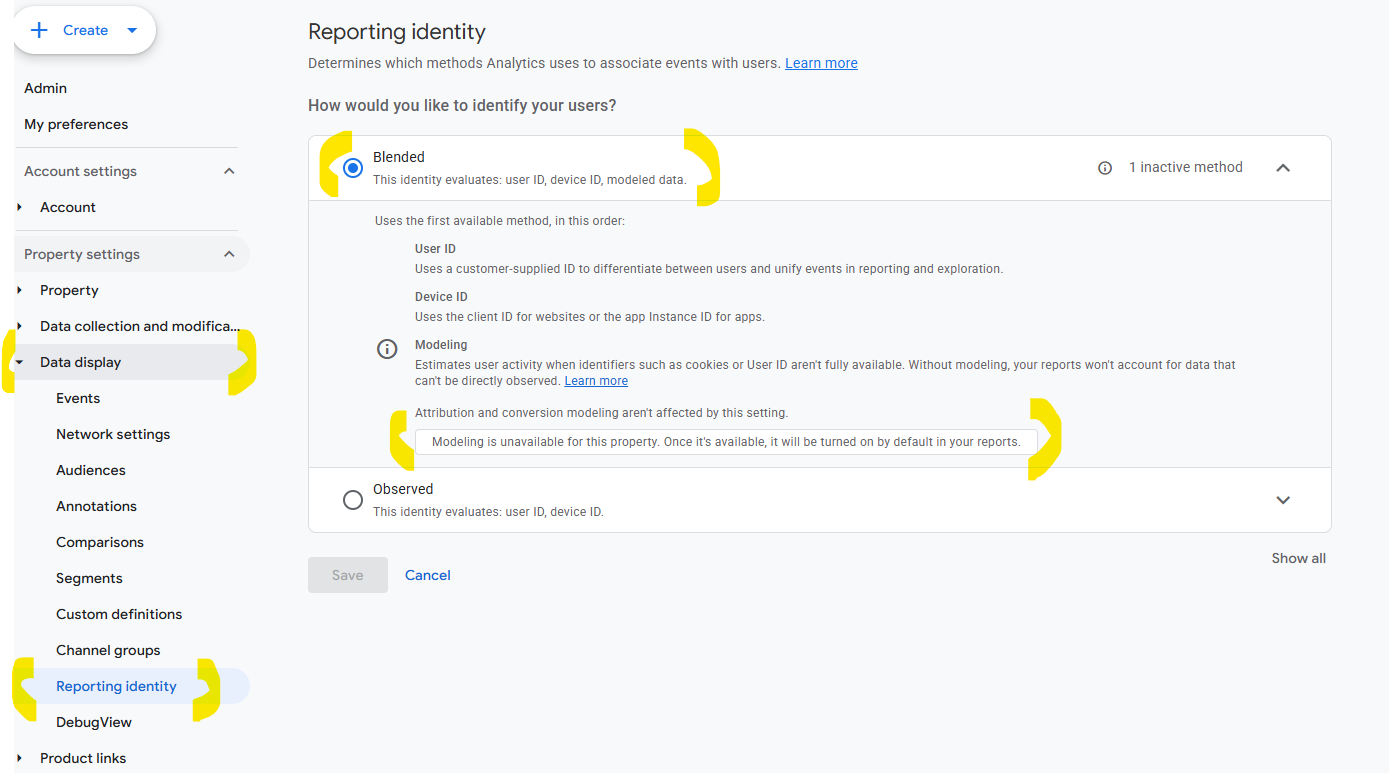
This shift is exactly why Universal Analytics was retired and GA4 took its place. Google needed a platform built for machine-learning — one capable of filling in the blanks when users opt out. GA4 will keep doing that heavy lifting, but here’s the twist: Google Ads is no longer going to lean on GA4 for consent.
Your Website Is Now the Source of Truth
Going forward, your website itself becomes the single source of truth for all your tracking — GA4, Google Ads, Floodlight, all of it.
Here’s how it plays out in practice:
- If a user opts out, Google will still receive anonymous pings.
- If a user opts in, your conversion tracking fires on all cylinders.
- If you have no consent banner at all, your tracking goes dark. Completely.
That last scenario is the one that should make every marketer sit up. No banner means no data, no signals, no insights. Whatever your website looks like, whatever your brand vibe is, a consent banner is no longer optional.
Choosing a CMP Without Breaking the Bank
The good news: there are plenty of Google-certified Consent Management Platforms (CMPs) out there. The less-good news: most of them come with a recurring monthly fee. If you’re not technical, paying for one is probably the path of least resistance and well worth it.
But if you’re comfortable getting under the hood, there’s a free, open-source option I use on my own site. Pop over, wait for the consent banner to appear, click “preferences,” then “Get this banner for free” — and it’ll take you to Silktide.com.
And if setting up a banner sounds intimidating, reach out. I’m happy to help at an affordable hourly rate, or roll it into my broader management services if you go that route. One quick tip if you’re setting one up yourself: make sure you enable the ad_storage signal for Google Ads, and the ad_personalization signal if you’re running retargeting.
Thanks for reading. If this sparked any questions — or if you’ve got thoughts of your own on where privacy and tracking are headed — drop a comment below. I’d love to hear how others are navigating this new landscape.
메타데이터
- post_id
- 5e491bbc028a
- slug
- opt-out-signals-are-here-what-changes-for-digital-marketers-5e491bbc028a
- url
- https://medium.com/fullstack-ppc/opt-out-signals-are-here-what-changes-for-digital-marketers-5e491bbc028a
- canonical_url
- https://medium.com/fullstack-ppc/opt-out-signals-are-here-what-changes-for-digital-marketers-5e491bbc028a
- author_url
- https://medium.com/@matnelsonppc
- status
- ok
- fetched_at
- 2026-06-09 15:37:30