Postpartum Running-The Early Days
What to expect during your first runs back
Postpartum Running-The Early Days
What to expect during your first runs back
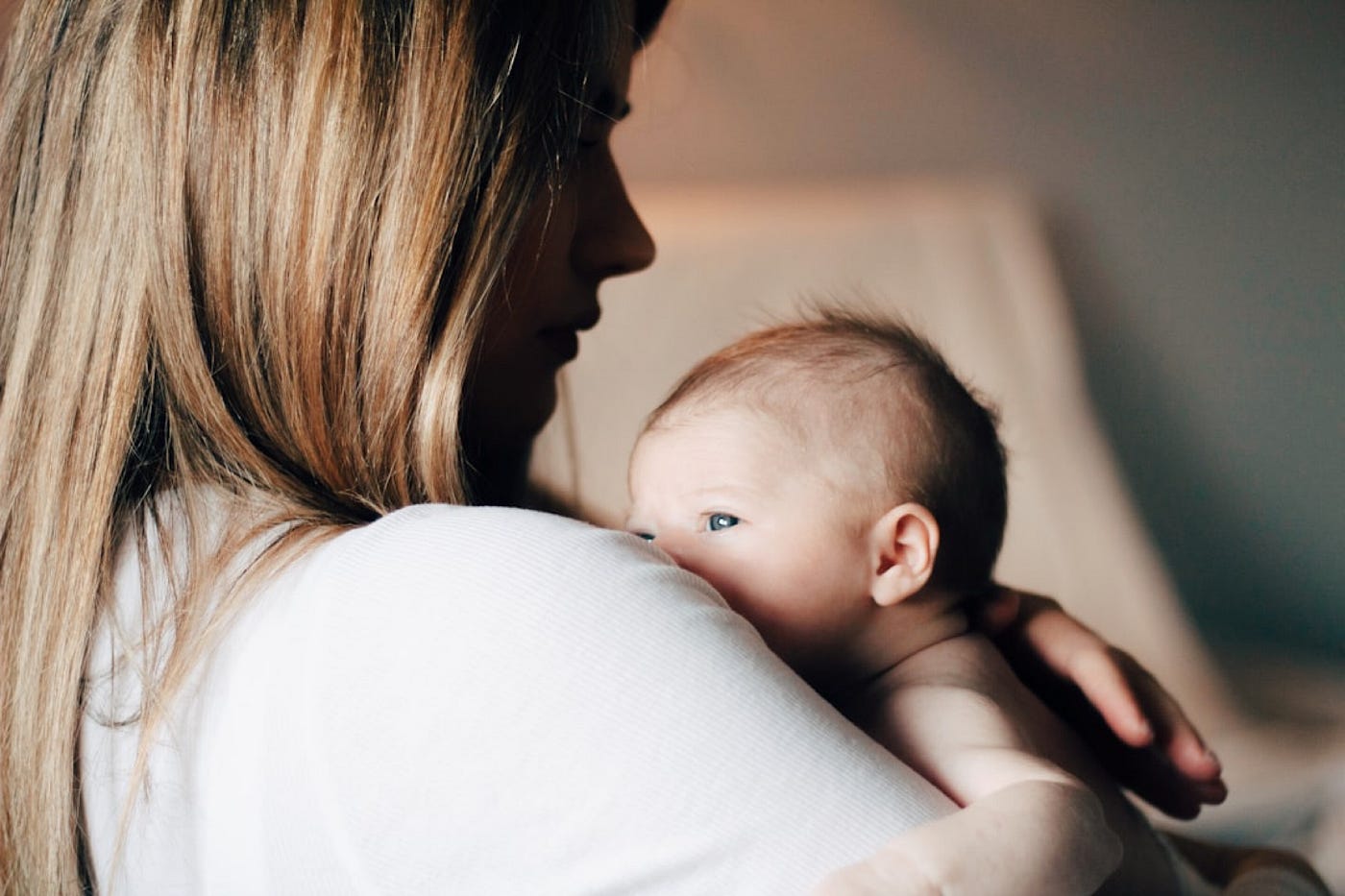
Photo by Hollie Santos on Unsplash
It seems the world of fitness is FINALLY opening up to the idea that women have more training considerations than men.
A monthly cycle, family planning, pregnancy, postpartum, breastfeeding, menopause, the list goes on.
With small daily hormonal shifts all the way to huge life changes, our ever-changing bodies need more training customization than we previously thought. Finding a pre-written 16-week marathon training plan online and giving it a go can get us to the finish line, but a customised, week-by-week plan that integrates the different stages of a woman’s cycle can be much more effective.
For app users, Garmin partnering with Natural Cycles in March of 2026 was a big step. While this update is more about fertility tracking than training, it’s at least an acknowledgement that menstruation and training are intertwined.
As a postpartum runner and coach, I’m faced with way more anecdotes than scientific papers on how to best return to training. So, I’m doing my own research by running and learning from others who have been here before. Here’s what I’ve concluded so far.
Photo by Timur Can Şentürk on Unsplash
Get ready to go bra shopping!
Do yourself a favor and try some new ones on.
My advice?
Breastfeeding moms recommend bras with adjustable straps, like this one from Shefit or the Dare Scoopback from Brooks. Doubling up on bras is never the answer, it can lead to skin irritation and breathing restrictions.
Moms who aren’t breastfeeding also need a bra upgrade! The majority of breast changes actually happen during pregnancy and as a result of weight loss after the baby arrives. Fluctuations will continue until weight stabilizes, which makes adjustable straps the best choice for your wallet.
Once you find your perfect fit, don’t spend the day in a compressive bra. Put it on right before your workout, and take it off after. While breastfeeding, tight clothing for long periods of time can cause pain, leaking, and potentially more serious issues like decreased supply, clogged ducts and mastitis.
Unexpected aches and pains
After my C-section, I was told recovery would be similar to a vaginal birth. The doctors didn’t give me any warning of what the new scar in my abdomen might feel like in the months to follow.
Once I was cleared for exercise, I put my baby in a front carrier and started walking and hiking again. After longer baby-wearing walks, I’d have pain in my scar. It’s much better now, however, after a strenuous day of parenting involving lots of core strength and baby wearing, I occasionally still have pain seven months postpartum.
My advice?
Remembering that layers of muscle and fascia faced serious trauma only a few months ago is important when entering back into training.
This might seem obvious, but this was my first surgery and I didn’t know what to expect.
Just because a doctor says everything is fine at 6 weeks doesn’t mean the body is ready to handle miles of pressure on new wounds. Running form can deteriorate quickly if any part of the body is experiencing discomfort. Core strength and posture are fundamental parts of running and should be prioritized above milage.
I found the pregnancy workouts in The Sculpt Society app helpful for maintaining and regaining strength around my scar and core. They are very gentle and short. If pain, incontinence, or general discomfort persist, pelvic floor therapists are highly recommended, even if your baby was born via C-section.
My body feels… different
Pre-pregnancy, running felt easy. It took years and years to get to that point, so now I feel like I’m back in those early days of training. My stride feels a little awkward, my posture isn’t as good, my core isn’t as engaged — the list goes on. While this feels like a minor inconvenience on short runs, it could develop into much more than that.
My advice?
Get an updated gait analysis with your coach, trainer, or at a local running store.
Running form is a key indicator of longevity in the sport. A heel strike and a long stride are a recipe for knee injuries. Hunched posture and a weak core can impact one’s back, joints, and more.
Once runners have a baseline of understanding regarding their gait and running form, they are able to condition accordingly and make progress. The type of shoe needed might change post-pregnancy as well, so having a professional take a look is important.
Continuing on without addressing my new imbalances is asking for injury. I’ll be continuing my yoga practice and adding in time for core work and strength training regularly, even if that means fewer miles.
So tell me, moms who have older kiddos, what comes next? And moms-to-be, what questions do you have? While we wait for more research in women’s health, we might as well come together and learn from each other. I look forward to hearing your stories and continuing to tell mine. Happy trails!
메타데이터
- post_id
- 6d45f7745e24
- slug
- postpartum-running-the-early-days-6d45f7745e24
- url
- https://medium.com/in-fitness-and-in-health/postpartum-running-the-early-days-6d45f7745e24
- canonical_url
- https://medium.com/in-fitness-and-in-health/postpartum-running-the-early-days-6d45f7745e24
- author_url
- https://medium.com/@ashevillerealtor
- status
- ok
- fetched_at
- 2026-06-15 20:49:13