Where the Cry Has No Address
There are moments when language is too small. When explanations fail and restraint becomes another weight to carry. In those moments, the…
Where the Cry Has No Address

There are moments when language is too small. When explanations fail and restraint becomes another weight to carry. In those moments, the body asks for a place — an unnamed hill, a wide sky, a distance far enough from judgment — where the voice can break open and release what has been held for too long.
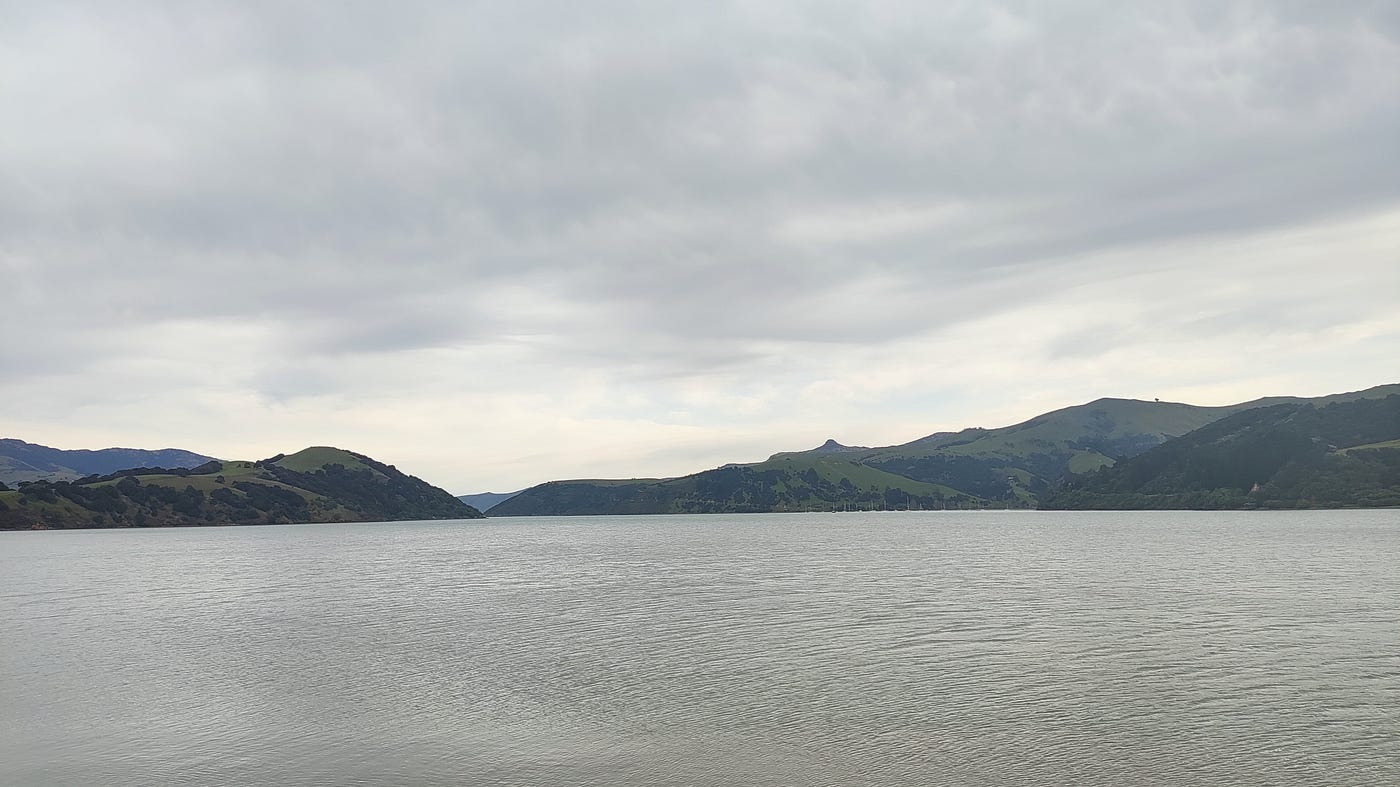
The hill without a name is not a location on a map. It is a permission.
Psychology reminds us that emotions require expression to be integrated. When feelings are repeatedly suppressed to maintain order or acceptance, they do not vanish; they accumulate, pressing against the nervous system until release becomes urgent (Gross, 1998). The wish to scream is not a loss of control — it is a bid for regulation. It is the body’s way of asking for room.
Neuroscience explains why this urge feels physical. Emotional arousal activates stress circuits that prepare the body for action. Without discharge — through movement, sound, breath — arousal lingers, hardening into exhaustion or numbness (Porges, 2011). A cry released into open space can be a form of completion, allowing the nervous system to return toward balance.
Trauma-informed perspectives deepen this understanding. When distress has been endured in silence, expression becomes reparative. The body needs a witness, even if that witness is only the wind. Research shows that nonverbal expression — voice, posture, movement — can access emotions that words cannot safely carry (van der Kolk, 2014). The hill becomes a container large enough to hold what the self could not hold alone.
There is also dignity in choosing a place without an audience. Humanistic psychology emphasizes authenticity — the freedom to experience and express the self without distortion or performance (Rogers, 1961). To cry where no one interrupts, corrects, or rushes comfort is to be fully congruent. The scream is not for attention; it is for truth.
Existential thought frames this release as an encounter with freedom. Irvin Yalom (1980) wrote that anxiety intensifies when we deny our inner realities. To stand on the hill and let emotion spill freely is to acknowledge what is real, without bargaining for approval. It is to say: this is here, and I will not disappear because of it.
Research on expressive release supports this stance. Expressive writing and vocalization reduce physiological stress and improve emotional clarity by transforming unstructured affect into lived meaning (Pennebaker & Chung, 2011). Even when no one hears, the body listens. The act itself becomes the response.
The hill without a name offers what many lives withhold: space without demand. No productivity. No explanation. Just air and gravity and the permission to be loud or quiet as needed. In that space, grief finds volume, anger finds shape, and sorrow loosens its grip — not because it is solved, but because it is allowed.
When the echo fades, something subtle remains. Not relief alone, but ownership. The knowledge that there exists a place — inner or outer — where the self can return without translation. The hill does not judge the sound it receives. It simply holds it.
And sometimes, that is enough to keep going.
References
Gross, J. J. (1998). The emerging field of emotion regulation: An integrative review. Review of General Psychology, 2(3), 271–299.
Pennebaker, J. W., & Chung, C. K. (2011). Expressive writing and its links to mental health. Applied and Preventive Psychology, 10(2), 69–79.
Porges, S. W. (2011). The polyvagal theory: Neurophysiological foundations of emotions, attachment, communication, and self-regulation. New York, NY: W. W. Norton.
Rogers, C. R. (1961). On becoming a person: A therapist’s view of psychotherapy. Boston, MA: Houghton Mifflin.
van der Kolk, B. A. (2014). The body keeps the score: Brain, mind, and body in the healing of trauma. New York, NY: Viking.
Yalom, I. D. (1980). Existential psychotherapy. New York, NY: Basic Books.
메타데이터
- post_id
- 885e07b655f7
- slug
- where-the-cry-has-no-address-885e07b655f7
- url
- https://medium.com/@lalavissa/where-the-cry-has-no-address-885e07b655f7
- canonical_url
- https://medium.com/@lalavissa/where-the-cry-has-no-address-885e07b655f7
- author_url
- https://medium.com/@lalavissa
- status
- ok
- fetched_at
- 2026-07-08 15:11:24