Beyond DNA: How Multi-Omics is Rewriting the Rules of Modern Biology
Imagine trying to understand how a car works by looking only at a single tire. You would get some basic information about its size and…
Beyond DNA: How Multi-Omics is Rewriting the Rules of Modern Biology
Imagine trying to understand how a car works by looking only at a single tire. You would get some basic information about its size and tread, but you would remain completely clueless about the engine, the electronics, or how the entire machine moves.
For decades, medicine faced a similar challenge. Scientists focused intensely on genomics, studying DNA to find the root causes of disease. While genomics gave us foundational answers, it only provided part of the picture.
Enter multi-omics data integration. It is one of the most exciting shifts in biotechnology right now because it combines multiple biological layers to see the whole human body in high definition.

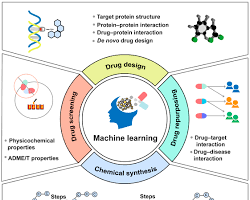
The Multi-Omics Data Integration Pipeline. Source: ResearchGate
What Exactly is an “Omic” Anyway?
In biology, adding the suffix “-omics” just means you are studying a whole collection of something all at once, rather than one tiny piece.
Think of your body as a busy restaurant kitchen. To truly understand how the kitchen runs, you need to look at four distinct layers:
- Genomics (The Recipe Book): This is your DNA. It is the permanent set of master instructions telling your body what it can make.
- Transcriptomics (The Active Orders): This is your RNA. When a kitchen station actually starts cooking a specific dish, they copy down a single recipe onto a ticket. RNA shows which genes are actively turned on right now.
- Proteomics (The Chefs): This is the study of proteins. Proteins are the actual workhorses doing the heavy lifting, building tissues, and fighting off viruses.
- Metabolomics (The Leftovers): These are metabolites, the tiny chemical footprints left behind after your cells do their daily work. It shows exactly what happened in the kitchen after the rush hour.

Molecular interactions from DNA to active metabolites. Source: ResearchGate
The Big Challenge: Cleaning up the Data Traffic Jam
If you look at just one layer, you miss the context. A person might have a gene linked to a disease (Genomics), but if that gene is never turned on (Transcriptomics) or never makes a faulty protein (Proteomics), they will never get sick.
By stacking these layers together, we get the complete story.
However, combining these layers is incredibly difficult. DNA data looks completely different from protein data or chemical data. It is like trying to merge four massive highway lanes during rush hour while everyone is driving a different kind of vehicle.
This is where the magic of computational pipelines comes in. Bioinformaticians build smart software architectures to clean up these messy, heterogeneous datasets. A major focus here is maintaining data integrity. If the data is messy or misaligned at the start, the final analysis is completely useless.
Why Biotech Recruiters Care About This Shift
The industry is moving away from isolated science. Companies are looking for professionals who understand how to design reproducible workflows. They want to know that if you run a data pipeline on a multi-omics dataset today, another scientist can run your exact code tomorrow and get the same trustworthy results.
When hiring managers look for content writers or researchers, they look for people with hands-on execution skills. They need professionals who can handle the messy reality of data science.
- Interpreting datasets: It is not just about running code. You need to explain the “so what?” behind the numbers.
- Pipeline efficiency: Processing thousands of genomes alongside protein data takes massive computing power. Writing clean, optimized code keeps storage costs low and speeds up discoveries.
- Scannable documentation: Science moves fast. If your code and workflows are not documented clearly, the project grinds to a halt.
The Future is Already Here
Multi-omics is changing how we treat complex diseases like cancer. Instead of guessing which chemotherapy might work, doctors can look at a patient’s tumor genome, track its active RNA, map its unique proteins, and choose a drug targeted to that exact cellular profile.
It moves us closer to true precision medicine, where healthcare is tailored to you, not an average statistic.
A Practical Takeaway for Beginners
If you are just getting started in bioinformatics or biotech, do not feel overwhelmed by the sheer volume of data out there. Focus on mastering the basics of data parsing in Python or R using one layer first, like genomics.
Once you understand how to clean and analyze a single FASTA file or expression matrix, learning how to connect it to the next biological layer becomes much easier. The future of biology belongs to those who can connect the dots between these layers.
메타데이터
- post_id
- a41b751add73
- slug
- beyond-dna-how-multi-omics-is-rewriting-the-rules-of-modern-biology-a41b751add73
- url
- https://medium.com/@shahvansh1506/beyond-dna-how-multi-omics-is-rewriting-the-rules-of-modern-biology-a41b751add73
- canonical_url
- https://medium.com/@shahvansh1506/beyond-dna-how-multi-omics-is-rewriting-the-rules-of-modern-biology-a41b751add73
- author_url
- https://medium.com/@shahvansh1506
- status
- ok
- fetched_at
- 2026-06-09 15:37:30