Why Two Identical Products at the Same Price Feel Completely Different (Day 9 of 21)
By Goodman Soutonte Daniel | The Brand Oracle
Why Two Identical Products at the Same Price Feel Completely Different (Day 9 of 21)
By Goodman Soutonte Daniel | The Brand Oracle
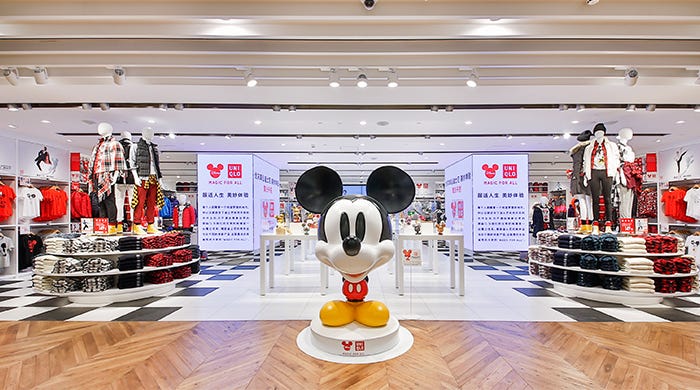
Photo by Mockup Free on Unsplash
Here is something that should not be true but is.
Take two products with the same ingredients, the same quality, the same price, sitting on the same shelf in the same store. Give them to two different groups of people where one group sees one brand and the other group sees the other, then ask them to evaluate what they experienced.
They will not report the same experience.
One group will say theirs tasted better or felt better while the other group will be less enthusiastic. The products are identical but the experience is not and the only variable that changed was the brand.
This is not a thought experiment. This is documented, replicated science and once you understand what is actually happening underneath it, you will never think about brand building the same way again.
The Brain Does Not Experience Reality Directly
Here is the foundational idea that makes everything else in this article make sense.
The brain does not give you direct access to reality. What you experience as reality is actually a construction, an interpretation of sensory data that has been filtered, processed, and shaped by everything the brain already knows, believes, and expects.
It is how perception works at the neurological level. The brain takes raw sensory input and runs it through a model it has already built of how the world works, what things mean, and what to expect from them. The output of that process, which is what you consciously experience, is a blend of what is actually there and what the brain predicted would be there.
In most situations, the brain’s model is accurate enough that this blending is invisible. But in situations where expectations are strongly shaped before the sensory experience happens, like encountering a branded product, the blending becomes visible in the data. The expectation changes the experience.
This is what is happening when two identical products at the same price feel completely different. The brand is not changing what is in the bottle or the package. It is changing what the brain expects to be there. And because the brain’s experience is partly constructed from its expectations, different expectations produce genuinely different experiences.
The Wine Study That Explains Everything
In one of the most cited studies in consumer neuroscience, researchers gave participants wine to taste while scanning their brains with an MRI machine. Participants were told they were tasting five different wines priced at different levels, from nine dollars to ninety dollars. In reality, they were tasting three wines, with some wines presented at multiple price points under different labels. What happened was remarkable.
When participants thought they were drinking the ninety-dollar wine, the areas of the brain associated with pleasure showed significantly more activation than when they thought they were drinking the same wine at nine dollars. Their enjoyment was not just reported differently, it was neurologically different. The brain was having a genuinely more pleasurable experience, measurably and visibly in real neural activity, based entirely on the expectation that the price created.
The wine did not change. The experience did. Price is not just a number. It is a signal that shapes the experience of everything that comes after it. This is why premium brands can charge significantly more for products that are functionally similar to cheaper alternatives, and why customers who pay more often genuinely feel that the experience is worth the price. They are not being fooled. Their brain is constructing an experience that is consistent with what it was told to expect. And that experience is real.
What This Has to Do With Your Brand
Everything.
If the brain constructs experience based on expectations, and brands are the primary mechanism through which expectations are set before any product is encountered, then the brand is not a layer on top of the product. It is a fundamental determinant of how the product is experienced.
This means the brand is doing product work before the product has been touched. It is shaping what the customer will feel, taste, hear, and believe about the product before they have opened the package, clicked the first session, or read the first line.
A strong brand sets expectations that elevate the experience that follows. A weak brand sets expectations that flatten it. And a confusing brand, one that sends inconsistent signals about who it is for and what it stands for, sets expectations that are misaligned with the actual experience, creating a friction that the product then has to overcome rather than build on.
Most founders think about their brand as the wrapper, something that makes the product look good on the shelf or on the screen, something that attracts people to the product so the product can then do the work. The science suggests something different. The brand is not attracting people to an experience that happens separately. The brand is already part of the experience. It is shaping the experience before it begins. And the quality of that shaping determines whether the product gets to perform at its best or whether it is perpetually working against an expectation problem it did not create.
The Trust Signal and the Quality Heuristic
There is a related mechanism worth understanding that operates alongside the expectation effect.
The brain uses signals as heuristics, which are mental shortcuts for making fast assessments of quality, safety, and value. In the absence of direct experience, it looks for proxy signals that tell it what to expect. Price is one. Brand recognition is another. Visual coherence is a third. The consistency and specificity of positioning is a fourth.
When these signals are strong and coherent, when everything about the brand says this is premium, this is specific, this was built for someone like you, the quality heuristic fires in your favour before the product is experienced. The customer arrives at the experience already inclined to find it good, already primed to notice the things that confirm the expectation, already disposed toward loyalty.
When the signals are weak or contradictory, when the brand is generic, unclear, or positioned for everyone, the quality heuristic does not fire cleanly. The customer arrives at the experience without strong positive expectations. They are evaluating it more neutrally, which means the product has to perform significantly harder to produce the same level of satisfaction that a well-branded product produces from a lower baseline.
Why Perceived Value Is Real Value
There is a common instinct to dismiss all of this as psychology tricks, as manipulation of perception that has nothing to do with the real quality of what is being offered.
That instinct misunderstands what is happening.
When a brand consistently sets strong, specific expectations and the product consistently meets or exceeds them, something durable is being built. The customer’s genuine experience is better, not because they are being deceived but because their brain is constructing the experience in the most favourable possible way, consistent with what they were led to expect. They are getting real value from the expectation itself, not just from the product.
This is also why the strongest brands are the ones where the brand promise and the product reality are tightly aligned. The expectation is set high and the experience meets it. The brain registers consistency between prediction and outcome, and consistency at the neural level is the foundation of trust. Repeated trust is the foundation of loyalty.
The brands that manipulate perception without delivering on the expectation eventually collapse. Not because perception manipulation stops working but because the gap between expectation and reality eventually becomes too large to sustain. The brain stops constructing the favourable experience when the product keeps contradicting the expectation.
The honest version of this principle, which is setting genuine expectations through strong branding and then delivering an experience that consistently meets them, is not manipulation. It is the mechanism by which excellent products get experienced as excellent rather than merely as adequate.
The Practical Implication Nobody Talks About
Here is the part that most brand strategy advice misses entirely.
If the brand shapes the experience before the product is touched, then investing in brand clarity is not separate from investing in product quality. It is a direct investment in the quality of the experience your product delivers.
A brilliant product wrapped in a weak, unclear, generic brand is not reaching its potential. Not because the product is insufficient but because the expectation it arrives with is insufficient. The brain is not primed to find it exceptional. It is evaluating it neutrally and neutral evaluation of even excellent work produces middling results.
A clear, specific, well-positioned brand elevates what comes after it. It does not replace product quality because you still have to deliver on the expectation you set. But it ensures that the quality you have built actually reaches the customer’s experience at full strength rather than arriving diluted by the absence of expectation.
This is why brand clarity is not a luxury. It is not something you invest in once the product is successful. It is what allows the product to be experienced as successfully as it actually is.
A Reflection on What This Changes
When I began to truly understand this, not just intellectually but in a way that changed how I build, the question I started asking about every brand I encountered shifted.
It stopped being “is this a good product?” and became “is this brand setting up the product to be experienced at its best?”
Because those are different questions and the second one is the more important one for anyone building something they want to last.
You can have a product that is genuinely excellent and still be losing, not to an inferior product but to a better-positioned brand that has done the work of setting expectations before the experience begins.
A brand can invite people in. Only the product can make them stay.
What To Do With This
The practical implication is straightforward even if the execution is not.
Every investment in brand clarity, in getting specific about who you are for, what you stand for, and what the right person should expect before they encounter your product or service, is an investment in the quality of the experience that follows.
It is worth asking honestly: what expectation does my brand currently set before anyone has interacted with my product? Is it the expectation of something specific, premium, and built for a particular kind of person? Or is it the expectation of something generic, decent, probably fine, and hard to distinguish from the alternatives?
Because the experience your customer has is partly built from the answer to that question. And you are setting the answer every time your brand shows up, whether you are paying attention to what it is saying or not.
This is the kind of foundational diagnosis that The Positioning Diagnostic is built around.
Not general advice about brand strategy but a focused examination of your specific brand, what expectations it is currently setting before anyone encounters your product or service, where those expectations are misaligned with what you actually deliver, and what specifically needs to change to close the gap.
This is a 90-minute one-on-one session. You leave with a written summary of findings within 48 hours.
If you are building something genuinely good and it is not being experienced that way, this is where to start.
Book your Positioning Diagnostic: selar.com/positioningdiagnostic
The Brand Positioning Workbook is also available for those who want the structured self-guided process, walking you from foundational belief work through customer identity, category positioning, and a message bank ready to use immediately.
https://selar.com/brandpositioningworkbook
Goodman Soutonte Daniel is a brand strategist known as The Brand Oracle. He works at the intersection of identity, psychology, and commercial strategy, helping founders ensure their brand sets up their product to be experienced at its best.
He is open to collaborations, partnerships, and conversations with people building something worth paying attention to.
The Brand Oracle
메타데이터
- post_id
- c1e9a11059a4
- slug
- why-two-identical-products-at-the-same-price-feel-completely-different-day-9-of-21-c1e9a11059a4
- url
- https://medium.com/@goodmansoutonte/why-two-identical-products-at-the-same-price-feel-completely-different-day-9-of-21-c1e9a11059a4
- canonical_url
- https://medium.com/@goodmansoutonte/why-two-identical-products-at-the-same-price-feel-completely-different-day-9-of-21-c1e9a11059a4
- author_url
- https://medium.com/@goodmansoutonte
- status
- ok
- fetched_at
- 2026-10-03 06:43:51