The Art and Science of Audience Recipes
Disney Jacob tells us the magic behind Affinity Answers’ audience recipes
The Art and Science of Audience Recipes
When marketers and ad-tech professionals talk about audiences, the conversation often stops at simple definitions: demographics, age groups, or geography. But in today’s world, audiences are much more dynamic — shaped by behavior, culture, and affinities.
To explore this deeper, I sat down with Disney Jacob, Director of Product and Business Development at Affinity Answers. Disney has been working on audiences since 2016 and is affectionately known within the company as the father of audience recipes. Our conversation unpacked what audiences really are, how recipes work, and why Affinity Answers takes a unique approach to building them.
What is an Audience?
According to Disney, an audience is essentially a group of potential future consumers. “In theory,” he says, “everybody is a potential consumer of your product. But if you try to target everyone, you’ll burn through your budget.”
Suddenly, it became possible to define audiences based on what people actually do — not just how they look.
That’s where definition and refinement come in. Earlier, audiences were limited to demographics — age, gender, geography. With the rise of social platforms, people began to express their likes, dislikes, and behaviors publicly. Suddenly, it became possible to define audiences based on what people actually do — not just how they look.
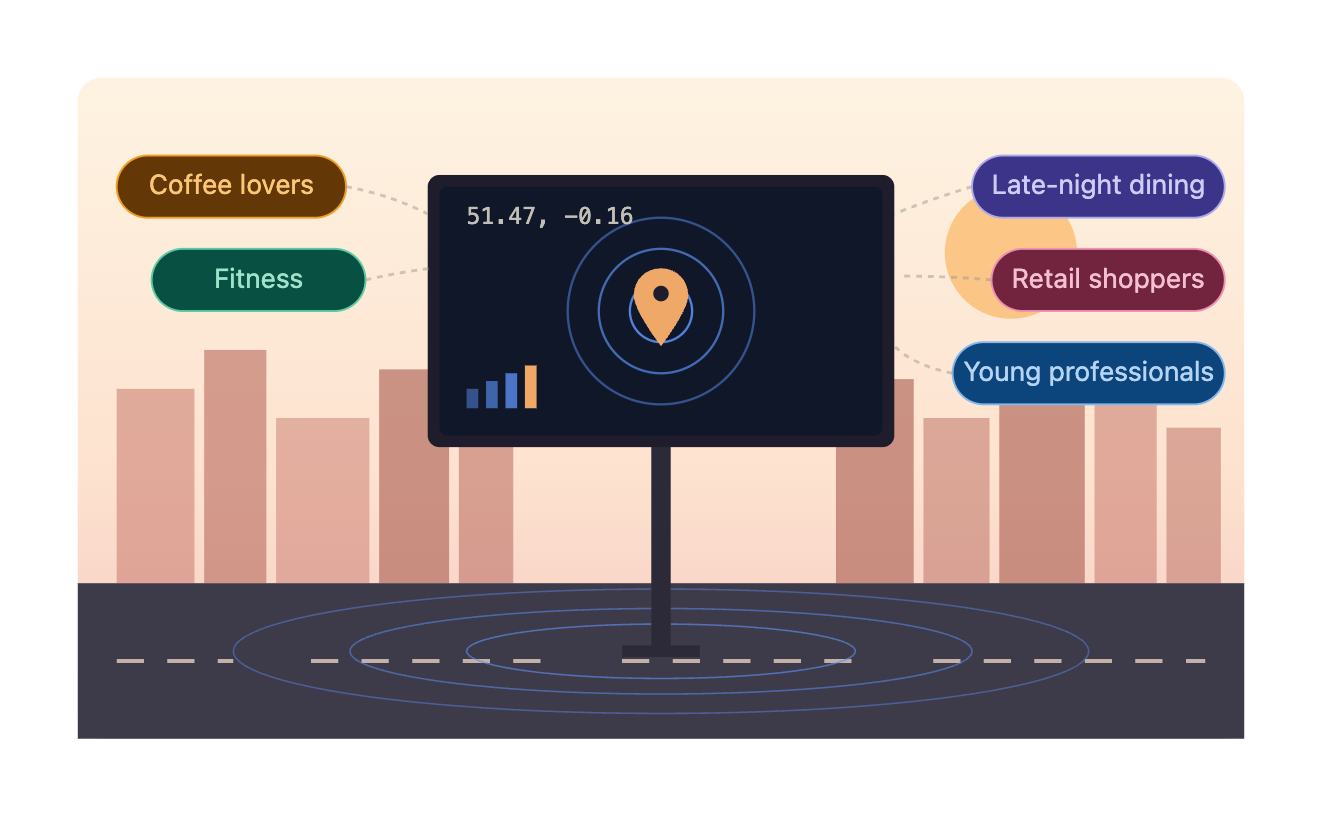
For example, instead of simply targeting “18–34 year-old males,” you can now target “fans of Carnatic music who watch romantic movies and read science fiction.”
From Definitions to Recipes
This is where Disney introduces the idea of audience recipes.
With machine learning, non-intuitive patterns also emerge.
“A recipe is really about the ingredients you use to define a group,” he explains. “Take the example of sci-fi fans. The recipe could include those watching sci-fi movies, reading sci-fi books, liking western classical music. Put them together, and you’ve got a recipe for a ‘sci-fi movie-watching, music-loving’ audience.”
What makes it powerful is that the recipe doesn’t stop at obvious signals. With machine learning, non-intuitive patterns also emerge. “For instance, data might show that people interested in Nike shoes, LeBron James, Beethoven, and Rolling Stone magazine are also highly likely to be sci-fi fans. These hidden affinities are what make recipes powerful.”
Art vs. Science
So is recipe-making an art or a science? Disney smiles: “Anything that looks like art or mystery is just science you haven’t drilled down into yet. Data makes even the non-intuitive connections explainable.”
The art and science is weaving together a story that reached the right people
At the same time, the art lies in combining diverse signals creatively. He recalls building an audience for Heineken’s cannabis-infused beer. The recipe wasn’t just about marijuana keywords. It pulled from celebrity endorsements, advocacy groups, hemp-based brands, and cultural magazines — weaving together a story that reached the right people.
The Reach vs. Relevance Conundrum
Every marketer faces the reach vs. relevance dilemma: go broad and risk irrelevance, or go narrow and sacrifice scale. Disney reframes the question:
“It’s not how you balance reach and relevance, but where you want to balance it. And often, the answer lies in your budget. If you can only afford to target the top 10% most likely to convert, you’ll start there. If budget allows, you expand to the next tier.”
In other words, recipes let you layer precision gradually, instead of forcing an all-or-nothing choice.
What Makes Affinity Answers Unique
So how does Affinity Answers stand out in this crowded space?
“In most platforms, you’re stuck with predefined attributes,”
Disney points to three strengths:
- Breadth and Depth of Data — coverage across industries with equal depth in each.
- Custom Data Collection — the ability to create audiences around a hashtag, phrase, or niche behavior, on-demand.
- Flexibility of Recipes — combining attributes with AND/OR logic, creating highly specific yet scalable audiences.
“In most platforms, you’re stuck with predefined attributes,” he explains. “With us, you can request a custom audience — as niche as ‘fans of two specific brands AND users of a certain hashtag’ — and get it ready to activate on any DSP within 7–10 days.”
Final Advice for Marketers
Disney closes with a simple point: don’t settle for off-the-shelf audiences.
Why spend your budget on generic data when you can have something tailor-made for your campaign?
“At Affinity Answers, we offer custom audiences at almost the same cost as syndicated ones. Why spend your budget on generic data when you can have something tailor-made for your campaign? Every dollar you spend should get you as close as possible to the right consumer.”
Closing Thoughts
Audience recipes aren’t just about data points.
Audience recipes aren’t just about data points. They’re about combining signals — both obvious and hidden — into precise, actionable groups. The art is in the design; the science is in the data. And with platforms like Affinity Answers, marketers now have the flexibility to balance reach, relevance, and budget without compromise.

The original chefs who defined the recipe distilling process — Mahesh and Disney
메타데이터
- post_id
- c7671bc0a4fe
- slug
- the-art-and-science-of-audience-recipes-c7671bc0a4fe
- url
- https://medium.com/affinityanswers-tech/the-art-and-science-of-audience-recipes-c7671bc0a4fe
- canonical_url
- https://medium.com/affinityanswers-tech/the-art-and-science-of-audience-recipes-c7671bc0a4fe
- author_url
- https://medium.com/@vivek-23002
- status
- ok
- fetched_at
- 2026-06-14 11:28:49