We Are Ozempic-ing Our Language Skills
Translation and interpretation programs are hemorrhaging students. Since ChatGPT arrived, applications have collapsed across North America…
We Are Ozempic-ing Our Language Skills
Translation and interpretation programs are hemorrhaging students. Since ChatGPT arrived, applications have collapsed across North America and Asia, and elite universities are discontinuing language majors. Parents and students are making a calculation that seems logically sound: if AI can translate instantly and for free, why spend years struggling with Mandarin tones or French syntax? But this logic rests on a fundamental confusion — mistaking the product (fluent text) for the capacity (communicative judgment).
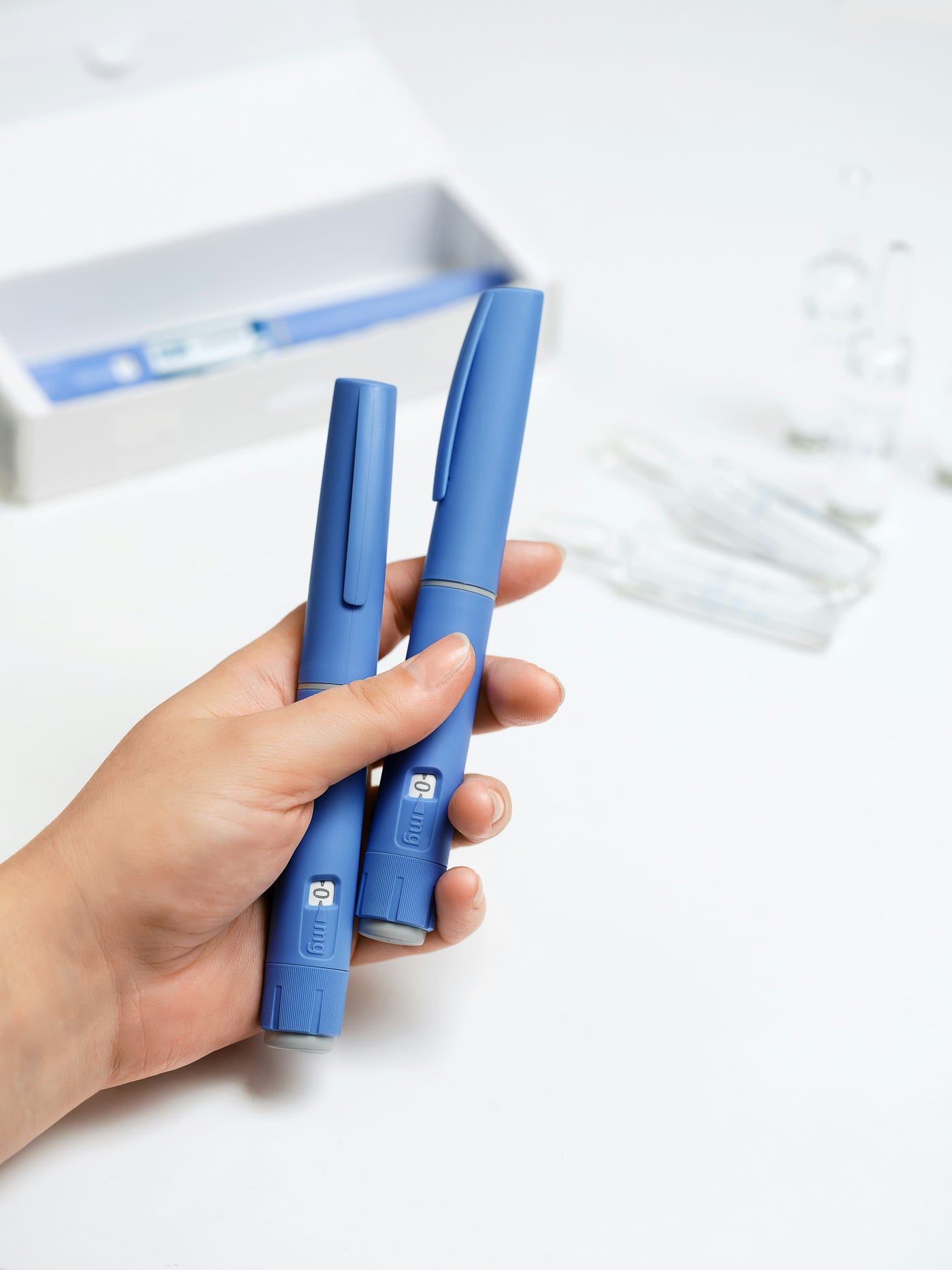
Think of the current revolution in weight-loss drugs. GLP-1 injections like Wegovy and Ozempic are miracle workers for shedding pounds, but clinical data reveals a catch: up to 40 percent of the weight lost can be lean muscle mass (*Wilding et al., 2021; Linge et al., 2024*). The drug suppresses appetite but does not build fitness. Without the hard work of resistance training, patients end up lighter but weaker — a condition doctors call sarcopenic obesity.
AI is the Ozempic of communication. It delivers the result without the exercise. It allows us to bypass the slow, difficult process of learning: reading closely, parsing nuance, digesting feedback, and failing repeatedly. But that “exercise” is not just inefficient busywork. It is the only way to build judgment.
Judgment, in cognitive science, is the disciplined management of attention. Professor Minhua Liu, a leading scholar on interpreter expertise, argues that the professional’s core skill is not vocabulary storage, but the ability to allocate scarce cognitive resources under pressure. Her research shows that expert interpreters differ from novices precisely in their ability to “select the more important information” when they cannot process everything. A skilled interpreter constantly decides what to attend to, what to filter, and how to prioritize meaning over form. This capacity to focus attention — to spot the one critical nuance in a stream of noise — is what allows them to “read the room.”
AI lacks this attentional discipline entirely. It operates on probability, not social priority. It processes every word based on its statistical likelihood, conflating probability with propriety. It chooses the most likely next token, which is often correct for standard situations — like a corporate apology — but fails in edge cases where the statistically probable answer is socially disastrous, such as comforting a grieving friend. It cannot judge which phrase carries the right weight because it has no conception of weight, only frequency.
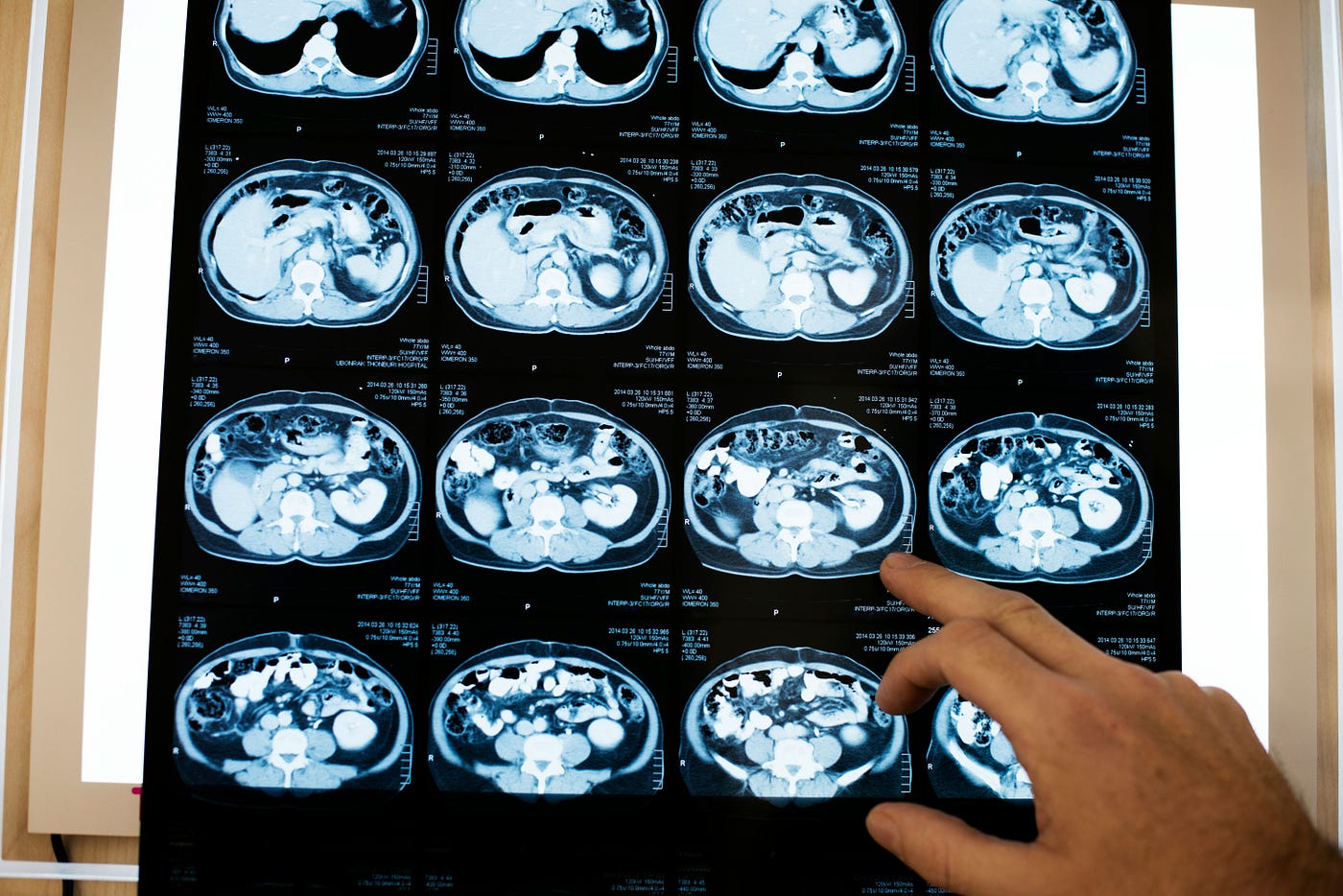
This is not a hypothetical problem — we have already seen it play out in medicine. Ten years ago, experts predicted AI would replace radiologists. It didn’t. While AI is excellent at pattern recognition, it cannot provide judgment under risk. In fact, a 2022 MIT study found that AI models can infer a patient’s race from X-rays — something human doctors cannot do — raising alarms about hidden algorithmic bias. As CNN reported this week, this has led the medical field to a crucial realization: AI must be an “expert-in-the-loop” tool, not a replacement. Overreliance on the algorithm without human oversight doesn’t just reduce quality; it introduces invisible risks that only a trained human can catch.
Translation and interpretation are no different. The “radiologist” of communication is the court interpreter ensuring a defendant actually understands the charges, or the medical translator navigating a consent form for a surgery. These professionals do not just convert words; they manage meaning by directing attention to what matters most.
You cannot outsource the effort and keep the judgment. This cognitive control is a muscle built through years of the very struggle that students are now abandoning. You develop discernment only by wrestling with drafts and forcing your attention to notice subtle differences in tone. If we stop doing this heavy lifting because the machine can carry the weight for us, we don’t just lose the ability to translate. We become a society of tourists using Google Translate: functionally fluent, but completely dependent. We will have the output, but we will lack the judgment to verify if it is true, accurate, or safe.
This is why now is, paradoxically, the most important time to study translation and interpretation professionally. We are entering a world where content is abundant but discernment is scarce. The rational move is not to surrender to the shortcut, but to do the contrarian work. We need to keep lifting the heavy weights of language learning — not because the machine can’t generate the words, but because without the sweat, we will never possess the judgment to know what they mean, or when they might betray us.
메타데이터
- post_id
- db124bf3e7be
- slug
- we-are-ozempic-ing-our-language-skills-db124bf3e7be
- url
- https://medium.com/@damienfan/we-are-ozempic-ing-our-language-skills-db124bf3e7be
- canonical_url
- https://medium.com/@damienfan/we-are-ozempic-ing-our-language-skills-db124bf3e7be
- author_url
- https://medium.com/@damienfan
- status
- ok
- fetched_at
- 2026-07-14 01:35:40