Natural Caffeine Sources: Plant-Based Alternatives for Energy
Beyond synthetic caffeine, plant sources like green tea, yerba mate, and kola nut offer smoother energy without crashes or jitters, thanks…
Natural Caffeine Sources: Plant-Based Alternatives for Energy
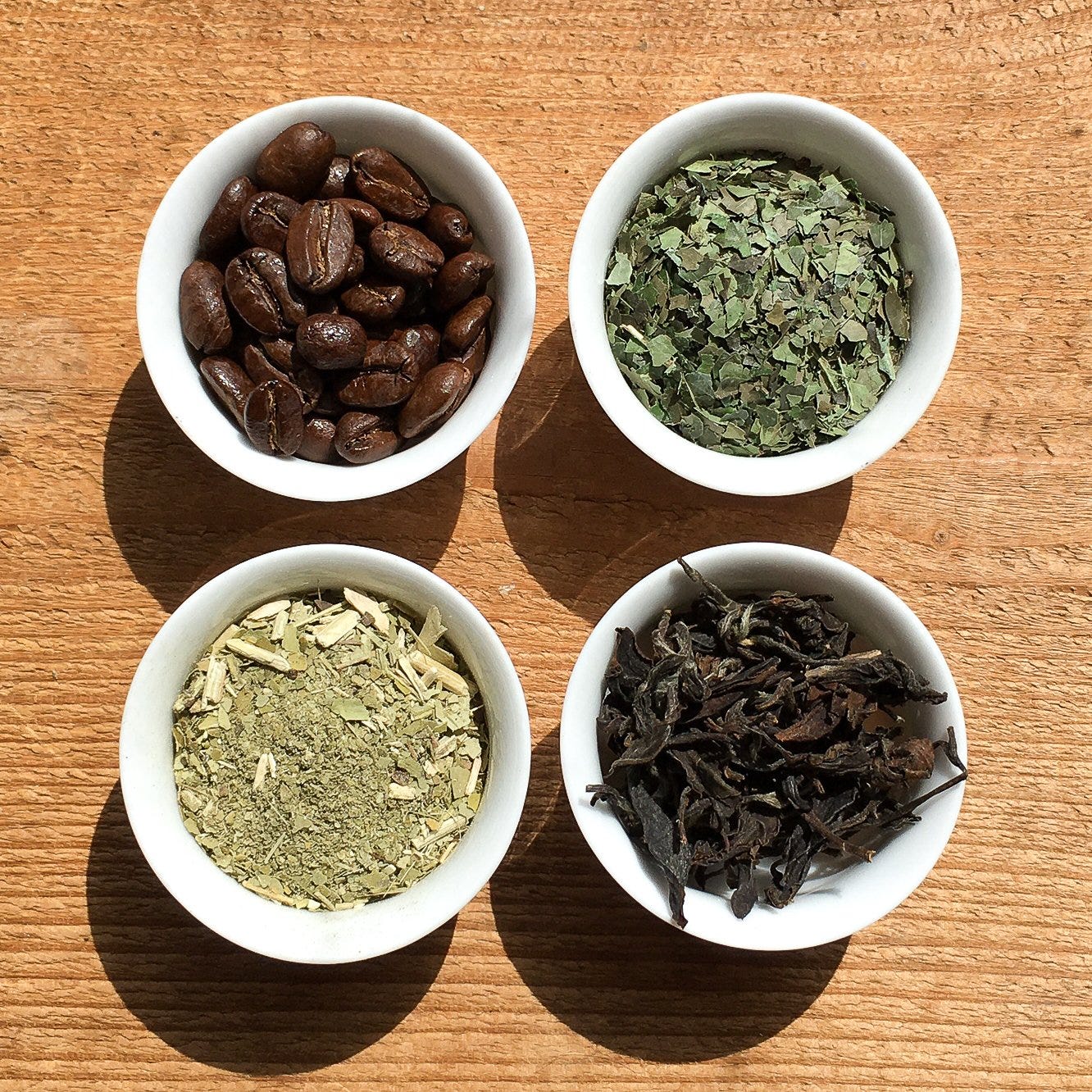
Beyond synthetic caffeine, plant sources like green tea, yerba mate, and kola nut offer smoother energy without crashes or jitters, thanks to beneficial compounds like L-theanine. Griot Water’s paraxanthine provides clean energy without typical caffeine side effects.
Key Takeaways:
- Natural caffeine from plants like green tea, yerba mate, and kola nut gives a smoother energy boost than synthetic caffeine
- Plant-based caffeine sources contain beneficial compounds like L-theanine that minimize jitters and anxiety
- Natural caffeine absorbs more slowly in the body, creating sustained energy without crashing
- Griot Water uses paraxanthine, a caffeine metabolite, providing clean energy without typical caffeine side effects
- Natural energy sources offer additional health benefits beyond energy enhancement
Why Plant-Based Caffeine Delivers Smoother Energy
The source of your caffeine significantly affects your energy experience. Natural caffeine from plants creates a fundamentally different effect compared to synthetic caffeine found in many commercial energy drinks.
Natural caffeine works harmoniously with your body instead of jolting it into alertness. Plants like green tea, yerba mate, guayusa, and kola nut contain complex biochemical profiles where caffeine exists alongside other beneficial compounds. This natural combination allows gradual absorption into your bloodstream, providing steady energy without the spike-crash cycle.
Natural caffeine stands out through its relationship with complementary plant compounds. The L-theanine in green tea works with caffeine to create alert calmness rather than jittery energy. Similarly, theobromine smooths caffeine’s stimulating effects for a more balanced experience. Griot Water takes this natural approach further by using paraxanthine, a caffeine metabolite that delivers clean, sustained energy without typical caffeine downsides.
Common Natural Caffeine Sources
1. Coffee Beans: The World’s Most Popular Source
Coffee beans remain the most widely consumed natural caffeine source globally. A typical cup contains between 80–100mg of caffeine, varying based on bean variety, roast level, and brewing method. Coffee contains numerous compounds beyond caffeine that contribute to its distinctive effects.
Unlike isolated caffeine, coffee’s natural composition enables a more measured energy release. The caffeine in coffee blocks adenosine receptors in your brain, preventing the compound that causes tiredness from binding. Coffee’s other compounds help regulate this effect, which explains why many people notice natural coffee provides a different quality of alertness than synthetic caffeine sources.
2. Tea Leaves: L-Theanine and Caffeine Synergy
Tea leaves, particularly from the Camellia sinensis plant, offer one of nature’s most balanced energy formulas. Green tea contains about 25–35mg of caffeine per cup, significantly less than coffee, yet its effects can feel equally potent due to its unique composition.
Tea’s effectiveness comes from its L-theanine content, an amino acid promoting relaxation without drowsiness. When combined with caffeine, L-theanine creates what many describe as “calm alertness” — focused concentration without caffeine’s typical jittery side effects. This natural partnership shows why plant caffeine sources often provide a more pleasant energy experience than isolated caffeine.
3. Yerba Mate: South America’s Energy Ritual
Yerba mate, from the Ilex paraguariensis plant, has been a staple throughout South America for centuries. This traditional drink contains caffeine comparable to coffee but delivers its effects differently. Mate users often describe its energy as clean, focused, and free from the nervousness coffee sometimes causes.
Yerba mate’s distinctive properties come from its balanced combination of caffeine, theobromine (also found in chocolate), and other natural compounds. This diverse profile creates a smoother energy curve than caffeine alone. Additionally, mate contains saponins and polyphenols that contribute to its effects on mood and mental clarity.
4. Guarana: The Amazonian Energy Berry
Guarana seeds, native to the Amazon basin, contain one of the highest natural concentrations of caffeine found in any plant. What makes guarana stand out is its tannins and other compounds that slow caffeine release into your bloodstream. This creates a gentler, more sustained energy experience that many prefer to the sharp spike and crash from synthetic caffeine sources.
This slow-release quality makes guarana valuable for maintaining focus during long periods of mental or physical activity. Many traditional cultures used guarana specifically for activities requiring prolonged attention and stamina.
5. Kola Nut: The Original Cola Ingredient
The kola nut, from the Cola genus of trees native to tropical Africa, contains caffeine and was the original flavoring and energy source for cola beverages. Its complex profile made it popular as both a ceremonial substance and energy source in traditional contexts.
Beyond caffeine, kola nuts contain other compounds that work together to create a distinctive energy effect. Traditional usage often involved chewing the nuts directly to gradually release these compounds, resulting in sustained alertness without the dramatic peaks and valleys of processed caffeine products.
How Natural Caffeine Works in the Body
1. Absorption and Metabolism Patterns
Your body processes natural caffeine differently than synthetic versions. When consuming caffeine from plant sources, it comes with fiber, antioxidants, and other compounds that moderate its absorption rate. This creates a more gradual rise in blood caffeine levels, unlike the sharp spike from synthetic caffeine.
Your liver breaks down caffeine into several compounds, including paraxanthine, theobromine, and theophylline — each affecting your body differently. With natural caffeine sources, this metabolic process occurs more harmoniously, as the plant matrix supports balanced liver function and metabolism.
Interestingly, paraxanthine — the primary compound used in Griot Water — is the main metabolite produced when your body processes caffeine. By providing paraxanthine directly, Griot Water essentially offers the benefits of caffeine metabolism without the initial jittery effects many people experience.
2. The Role of Accompanying Plant Compounds
Natural caffeine never exists alone within plants. It’s always part of a complex biochemical environment including flavonoids, alkaloids, antioxidants, and other bioactive compounds. These accompanying substances actively modify how caffeine interacts with your body.
For example, the catechins in green tea help regulate caffeine metabolism, while other compounds may stabilize blood sugar responses during caffeine consumption. These natural companions minimize caffeine’s potential downsides while enhancing its beneficial effects.
3. Energy Without the Crash: The Plant Matrix Effect
The ‘plant matrix effect’ occurs when consuming compounds in their natural plant context produces different effects than isolated compounds. With caffeine, this matrix effect is particularly important. The fiber, antioxidants, and other phytochemicals in natural caffeine sources create a time-release effect that prevents the sharp energy spike and subsequent crash associated with synthetic caffeine.
This matrix effect explains why green tea with 30mg of caffeine can provide steady focus for hours, while a 30mg caffeine pill might give a quick jolt followed by a slump. Natural caffeine sources provide a more balanced, sustainable energy experience that works with your body’s natural rhythms rather than disrupting them.
Benefits of Natural vs. Synthetic Caffeine
1. Smoother Energy Release
The most noticeable benefit of natural caffeine is its energy quality. Instead of the rapid alertness spike from synthetic caffeine, natural sources provide a gradual energy increase that feels more sustainable and balanced. This smoother energy curve helps maintain productive focus throughout the day rather than cycling through hyperactivity and fatigue.
2. Reduced Side Effects and Jitters
Common complaints about synthetic caffeine include uncomfortable side effects — racing heart, jittery hands, and anxiety. Natural caffeine sources typically cause fewer and milder side effects due to their balanced composition of stimulating and moderating compounds.
Caffeine-related anxiety and jitters result from its impact on your central nervous system and adrenal glands. Isolated, synthetic caffeine has nothing to buffer this impact. In contrast, natural caffeine sources contain compounds that moderate these effects. The L-theanine in tea promotes relaxation, while yerba mate compounds reduce nervous system stimulation while maintaining cognitive benefits.
3. Additional Health Benefits
Natural caffeine sources provide more than clean energy — they contain health-supporting compounds that synthetic caffeine lacks entirely. Green tea offers catechins with powerful antioxidant properties. Coffee contains beneficial acids that may support cardiovascular health. Yerba mate supplies polyphenols and saponins with anti-inflammatory potential.
These bioactive compounds mean natural caffeine sources contribute to overall wellbeing beyond energy enhancement. Regular, moderate consumption of these natural sources may provide cumulative health benefits unavailable from synthetic caffeine.
Beyond Caffeine: Innovative Alternatives for Clean Energy
1. Paraxanthine: The Advanced Caffeine Metabolite
While natural caffeine sources offer advantages over synthetic options, some companies now offer even better alternatives. Paraxanthine, the primary metabolite produced when your body processes caffeine, stands out as a promising option. Unlike caffeine itself, paraxanthine provides cognitive benefits like increased alertness and focus without common side effects such as jitters, anxiety, and sleep disruption.
Griot Water uses paraxanthine as a cleaner caffeine alternative. When you consume caffeine, your body must convert it to paraxanthine to achieve many of its cognitive benefits. By providing paraxanthine directly, Griot Water offers a more efficient path to enhanced mental performance without caffeine metabolism downsides.
2. Adaptogens for Stress Management and Endurance
Adaptogens present another natural energy enhancement option. These plant compounds help your body handle stress and maintain balance, supporting sustained energy production without caffeine’s stimulant effects. Rhodiola Rosea, included in Griot Water, has been studied for its ability to reduce fatigue and improve mental performance under stress.
Unlike caffeine, which boosts energy by blocking adenosine receptors and stimulating your nervous system, adaptogens work by regulating your stress response systems. This fundamental difference allows adaptogens to provide sustained energy support without creating dependence or tolerance.
3. Nootropics for Enhanced Mental Performance
Nootropics — compounds that support cognitive function — offer another natural energy enhancement approach. Lion’s Mane mushroom, part of Griot Water’s formula, supports cognitive function, potentially improving memory and mental clarity. L-theanine promotes alpha brain wave activity associated with relaxed alertness and creativity.
These cognitive enhancers work through different mechanisms than caffeine, often supporting brain health and function more fundamentally. While caffeine temporarily blocks fatigue signals, nootropics may optimize the brain’s actual functioning and resilience.
4. Hydration Factors in Energy Drinks
Proper hydration significantly affects energy and mental performance. Even mild dehydration can impair cognitive function and energy levels. Griot Water addresses this by including electrolytes that support optimal hydration and neural function.
The connection between hydration and brain performance is substantial — your brain requires proper fluid balance for neurotransmitter function, nutrient delivery, and waste removal. By supporting hydration alongside energy enhancement, Griot Water takes a more complete approach to cognitive performance than traditional caffeine sources.
Finding Your Ideal Natural Energy Source in 2025
Finding sustainable energy and focus sources becomes essential for maintaining wellbeing alongside productivity in today’s demanding world. The best approach combines moderation, variety, and awareness of how different energy sources affect your unique physiology.
When reviewing options, consider beyond the immediate energy boost to assess energy quality, duration, and after-effects. Natural caffeine sources like green tea, yerba mate, and guayusa offer balanced energy profiles that complement your body. For those wanting newer alternatives, paraxanthine-based formulas like Griot Water provide caffeine metabolism benefits without initial jittery effects.
Consider these factors when selecting your natural energy source:
- How sensitive are you to caffeine and its side effects?
- Do you need quick energy or sustained focus throughout the day?
- What additional health benefits interest you beyond energy?
- How does your choice affect your sleep quality and overall wellbeing?
Prioritize natural sources that support your body’s natural rhythms rather than forcing unsustainable stimulation-crash patterns. Your long-term energy, focus, and wellbeing depend on solutions that enhance rather than deplete your natural vitality.
Experience the future of clean, sustainable energy with Griot Water’s innovative paraxanthine formula designed for focus, clarity, and productivity without the crash.

Kilimanjaro Fresh, Watermelon + Mango + Baobab
메타데이터
- post_id
- df5400da3aee
- slug
- natural-caffeine-sources-plant-based-alternatives-for-energy-df5400da3aee
- url
- https://medium.com/@samcarter1/natural-caffeine-sources-plant-based-alternatives-for-energy-df5400da3aee
- canonical_url
- https://medium.com/@samcarter1/natural-caffeine-sources-plant-based-alternatives-for-energy-df5400da3aee
- author_url
- https://medium.com/@samcarter1
- status
- ok
- fetched_at
- 2026-07-23 07:49:18