Life For Rent: When You Refuse To Pay The Price of Junk Systems
When your passion to live is weaponised, fighting for selfhood becomes the intrinsic motivation that keeps you going
LIFE FOR RENT | SYSTEMIC OPPRESSION | BROKEN SYSTEMS | SELFHOOD | INTRINSIC MOTIVATION
Life For Rent: When You Refuse To Pay The Price of Junk Systems
When your passion to live is weaponised, fighting for selfhood becomes the intrinsic motivation that keeps you going
Thank you for reading my story. If you’re not a member, consider becoming a member of Medium to support writers. You can also read unlimited stories and write on Medium.


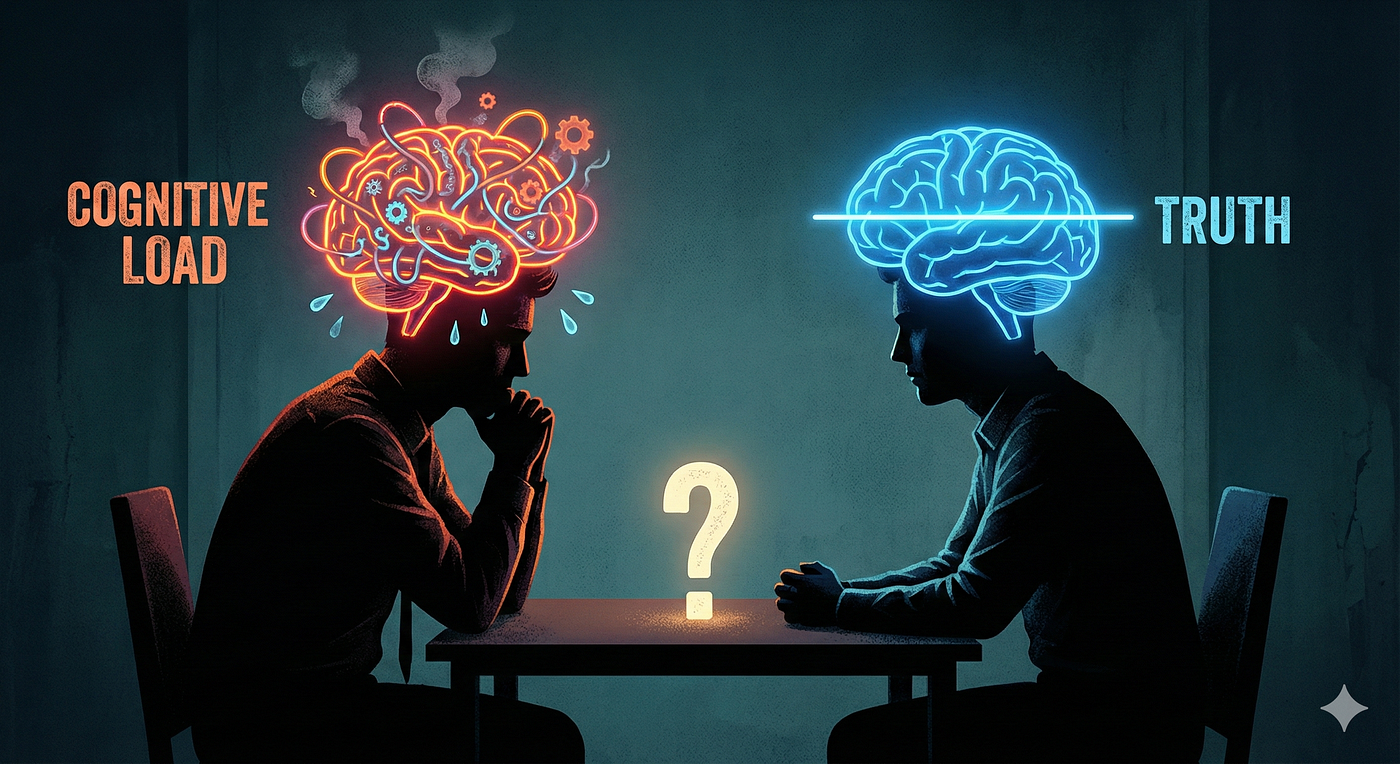
Image by AI/DALL.E
The Hidden Rent of Broken Systems
Some systems don’t destroy your life in one dramatic blow. It’s the slow drip of repeated issues, failures, and being left to deal with everything. You feel your life is being rented, instead of being lived. Your time. Your energy. Your attention. Your ability to plan a normal day without chasing and waiting for someone to fix what should already work.
That is the hidden price of dealing with junk systems. On paper, everything looks legitimate. There are forms, policies, contractors, inspections, procedures, obligations and “reasonable” expectations. Take, for example, housing. The language sounds formal and impersonal, but underneath lies a threat, such as “if you don’t allow access, you are in breach of your tenancy”. Both landlords (big social housing organisations) and contractors know this “threat” holds tenants to ransom. The system looks functional and fair from the outside, but often comes at a high cost to autonomy.
But inside it, the person living through it can slowly lose access to their own life. This is what I mean by life for rent. Not just paying rent for a home, but paying with your nervous system to survive a system that is messed up and disorganised. It keeps failing, while still expecting you to remain compliant, reasonable and available. It becomes one-sided.
The Psychological Inversion of Motivation
Intrinsic motivation is the internal drive to do something because it matters to us. It is the steady inner light of the self — the part of us that still feels like ours. According to **Self-Determination Theory**, developed by Edward Deci and Richard Ryan, human motivation depends strongly on autonomy, competence and relatedness. When those needs are supported, people are more likely to feel self-directed and alive. When they are undermined, motivation becomes pressured, defensive or depleted.
But junk systems can create something even more twisted. I call it motivation inversion. By that, I mean the point where your own motivation, standards and care are used against you. You are no longer acting from freedom. You are reacting to dysfunction.
You are not organising your life because you want to. You are organising the chaos left behind by a broken, dysfunctional system. Your inner drive becomes the fuel and energy for someone else’s failure to reverse it, so you are made to feel “grateful” for their failures. It’s bizarre and subtle.
Doing Other People’s Jobs For Them
Inadequate systems don’t operate smoothly. Sometimes it’s not even obvious how poorly run these systems are. A few years ago, I moved into a new home feeling excited, having waited a long time to get offered my own home. At first, everything seemed manageable. Contractors came when expected. There wasn’t much friction. Appointments were arranged. The property felt like somewhere I could live my life, not something I would have to constantly manage. Then the balance shifted. After the first year, the rot slowly crept in. Maintenance became harder to navigate. Contractors were constantly changed, with multiple contractors dealing with interdependent systems, instead of only one contractor doing both.
It wasn’t joined up, it was awkward and poorly coordinated, resulting in contractors not even knowing they were due to carry out maintenance and constant follow-ups, using my time and resources on things that should be straightforward. Appointments became less reliable. The landlord, a large housing body, seemed to shift more pressure onto tenants. The tenant was still expected to comply, wait, respond, arrange access and be available, while the system itself became more fragmented. Even a new heat pump turned out to be inferior and faulty. What should have made life easier became another stress point. Another thing to monitor. Another thing to chase and wait to be fixed. Another thing to plead and bargain over.
Different Issues — Same Systemic Chaos
And I know my story of maintenance issues isn’t the worst version. There are even worse. I have seen other tenants describe far more serious situations — people left without basic needs such as electricity, hot water, mould, or safe and reliable living conditions. Some people have to take time off work repeatedly, wait around for contractors who may not arrive, rearrange their lives around inspections, and carry the emotional labour of keeping someone else’s property functional. And of course, pay for the “privilege”. When lives become disrupted over basic human needs, higher motivational needs such as work, study, family, etc, get neglected. The transfer of inconvenience and burden falls on the person with the least power — the one giving their time for free and told to be grateful.
Administrative Burden Is Not Neutral
Public administration researchers, Donald Moynihan, Pamela Herd and Hope Harvey describe *administrative burden* as the learning, psychological, and compliance costs people experience when dealing with such systems. This matters because it names what often gets dismissed. The burden isn’t only the bureaucracy. It is learning how the system works. It is chasing replies. It is waiting. It is having to be available and reorganising one’s life.
It is anticipating wrongful blame. It is wondering whether asking for basic competence will get you labelled as difficult, uncooperative, etc. I’ve learned to expect incompetence more than competence. In housing, government, healthcare, welfare, maintenance and other support systems, these burdens can hide behind official language that seems legitimate on the surface. The system says, “You must comply”. The person thinks, “What’s happening to my life? It’s shrinking, not growing”.
When You Have High Standards But They Don’t
People with high standards expect good quality. The reality is that not only will you be disappointed, but you will often be treated as the problem. If you notice poor quality, you are considered to be fussy or problematic. If you ask for clarity, you are being difficult. If you refuse to absorb chaos quietly, you are not cooperating. But standards are not the problem. The problem is when a bad system depends on your standards to keep itself going. If you value order, you will chase missing information, missed maintenance, etc. If you value properly functioning systems, you will be keen to get them serviced. If you value fairness, you keep explaining what went wrong and hoping they will finally take responsibility.
Slowly, your good qualities become strings for the system to pull. You become a puppet on a string. Your own motivation no longer expands and supports your life to grow. It is being used to maintain a failing system. Psychology already shows that external pressure and demands can weaken intrinsic motivation. The *overjustification effect describes how outside pressure can reduce internal interest, especially when people feel controlled rather than self-directed. Junk systems create a darker version of this. Your life fills with tasks you never freely chose*, but can’t ignore. You are motivated, but not by free will and autonomy, but by being burdened with responsibilities not of your making. That’s not empowerment. You're acting, but under pressure and sometimes coercion. Your motivation is being harnessed to keep a broken system alive, not you.
From Selfhood to Utility
In Erich Fromm’s book, *Man for Himself, Fromm wrote about character, alienation, and the danger of reducing people to utilities and objects, rather than valuing them as whole human beings. Junk systems can do something similar. They do not ask, “What does this person need to live well?” They ask, “How much can this person absorb before the system has to change or do something to help?*” This is where emotional extraction happens. A home no longer feels supportive; it feels high-maintenance. Instead of living normally, you are managing defects, chasing responses, arranging access, and trying to stay calm while your life is repeatedly interrupted. As per Eric Fromm, you only become useful to the system because you keep trying.
The Loss of Control and Self-Efficacy
According to Albert Bandura, *Self-efficacy* is the belief that we can influence situations and take the actions needed to manage them. It underlies autonomy and freedom of choice. But junk systems attack our self-efficacy because they create repeated patterns of inefficiency that require we give our time and effort freely, often without resolution. You report the issue. You wait. You chase. You explain. You chase again. You adjust your life. You try again. You keep trying until you burn out, because you see what it’s about — and it’s not about feeling in control, it’s not about quality, it’s not about care, it’s about systemic control that is oppressive and neglectful.
Despite all your efforts, the basic problems remain. Over time, the danger isn’t only stress. It is the slow internal rupture of your life. You think, “What is the point of trying?” but that question is dangerous because it can start leaking into your whole life. The answer is not to stop caring. The answer is to stop donating your life force to systems that survive by draining it. Your intrinsic motivation is not the problem. Your standards are not the problem. Your desire to live well is not the problem. The problem is when those qualities are exploited by systems that should be supporting life, not consuming it. Selfhood isn’t selfish. Fighting for selfhood is the intrinsic motivation that keeps you going.
🤔 Can Junk Systems Destroy Your Life Force? 🤔
Junk systems do not look oppressive or abusive from the outside; they often seem quite the opposite — organised, fair, controlled, etc. They look normal, official and procedural. But when a system repeatedly shifts its failures onto the person with the least power, it drains autonomy, weakens self-efficacy and turns the your motivation and care nto unpaid survival labour. It’s time to stop allowing broken systems to dictate your life.
- Have you ever felt that a system was using your own high standards against you to make them look good and competent when they weren’t?
- Do you think junk systems can slowly erode your selfhood and intrinsic motivation?
- Where is the line between normal responsibility and unpaid emotional labour?
🤔 I’d love to hear your thoughts. 🤔
Thanks for reading 📚
If you enjoyed reading this, you may enjoy more. 👇
메타데이터
- post_id
- f380302f75bb
- slug
- your-life-for-rent-when-you-refuse-to-pay-the-price-of-systematic-abuse-f380302f75bb
- url
- https://medium.com/never-stop-writing/your-life-for-rent-when-you-refuse-to-pay-the-price-of-systematic-abuse-f380302f75bb
- canonical_url
- https://medium.com/never-stop-writing/your-life-for-rent-when-you-refuse-to-pay-the-price-of-systematic-abuse-f380302f75bb
- author_url
- https://medium.com/@deirdrewriterintheabyss
- status
- ok
- fetched_at
- 2026-06-22 08:33:11