🔗 Low-Code Didn’t Fail You — But Your Integrations Did!
Low-code works — until real systems show up. Most projects don’t fail because of the platform, but because of integrations.
🔗 Low-Code Didn’t Fail You — But Your Integrations Did!
Low-code platforms promised speed — and they delivered, right up until reality showed up.
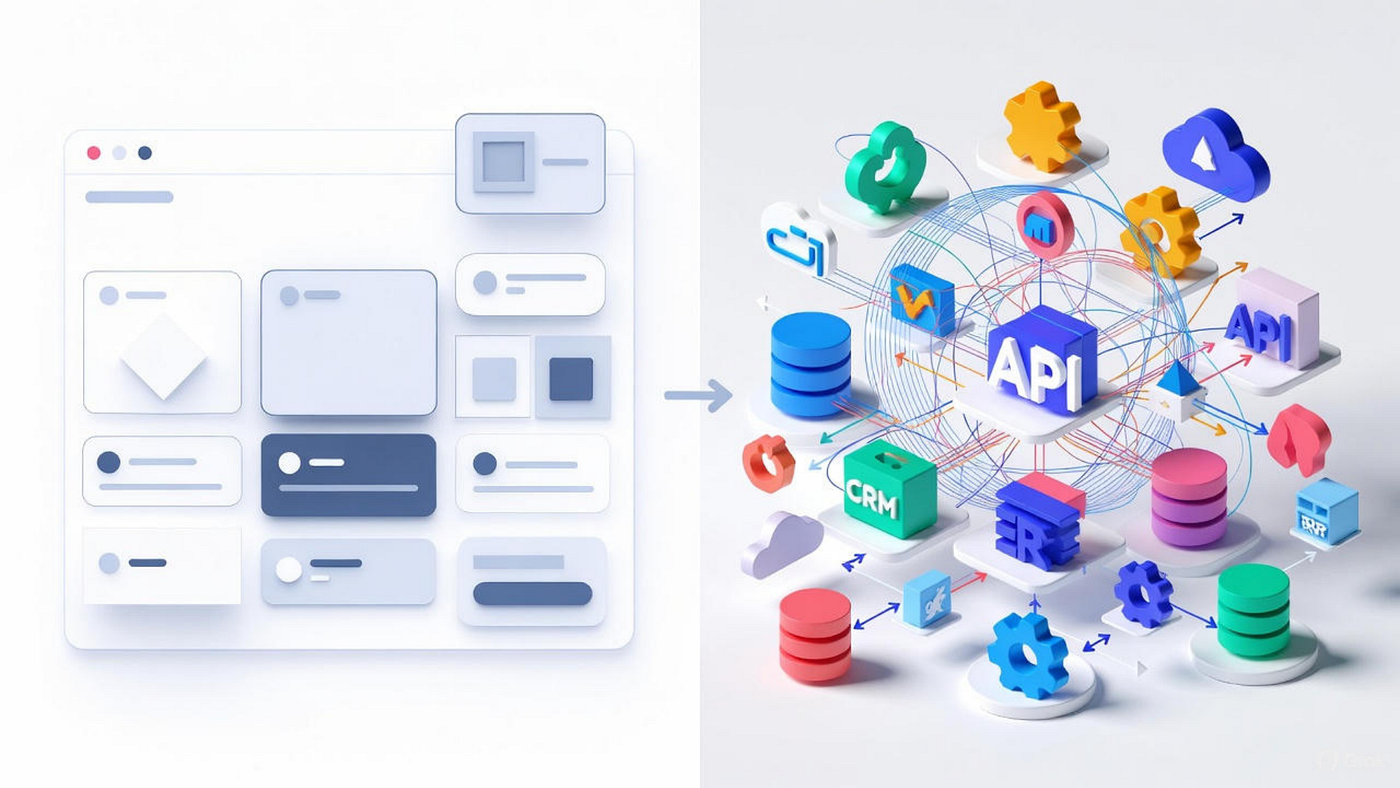
A minimalist illustration showing the contrast between a simple low-code interface and the complex reality of system integrations.
You shipped faster. You built **MVPs (Minimum Viable Product)** in weeks, not months. You replaced long backlogs with drag-and-drop confidence.
So why does your low-code application now feel… slow, fragile, and harder to scale than expected?
Here’s the uncomfortable truth:
Low-code didn’t fail you. Your integrations did.
The Moment Low-Code Meets Reality
Low-code shines in controlled environments.
A few forms. A simple workflow. One database.
Everything feels smooth — until real systems enter the picture.
- ERP systems
- CRMs
- Payment gateways
- Legacy databases
- Third-party APIs
- Internal microservices
This is where most low-code projects quietly start to struggle.
Not because **low-code is weak. But because integration strategy was an afterthought**.
Integrations Are Not “Just Connectors”
Many teams treat integrations as a checkbox:
“Does the platform support REST?” “Can we call an API?” “Is there a web hook?”
Technically, yes.
Practically? That’s not enough.
Real-world integrations introduce complexity that low-code abstractions often hide — until they can’t anymore:
- Authentication and token refresh flows
- Data transformation and validation
- Error handling and retries
- Rate limits and performance **bottlenecks**
- Versioning and breaking API changes
When these aren’t handled properly, the result is familiar:
- brittle workflows
- silent failures
- performance issues
- nervous teams afraid to touch production
Why Most Low-Code Projects Break at the Integration Layer
Low-code platforms optimize application development speed. But integrations are about system design.
That’s a different game.
Here’s where teams usually get stuck:
1. Point-to-Point Chaos
Quick integrations turn into a tangled web. Every new system increases coupling and maintenance cost.
2. Hidden Logic
Critical business rules live inside visual flows that are hard to test, version, or reason about.
3. No Ownership
Is it a backend issue? An integration issue? A platform limitation?
Nobody knows — and everyone feels responsible.
4. Scaling Pain
What worked for 100 users collapses at 10,000. Integrations weren’t designed for scale, resilience, or observability.

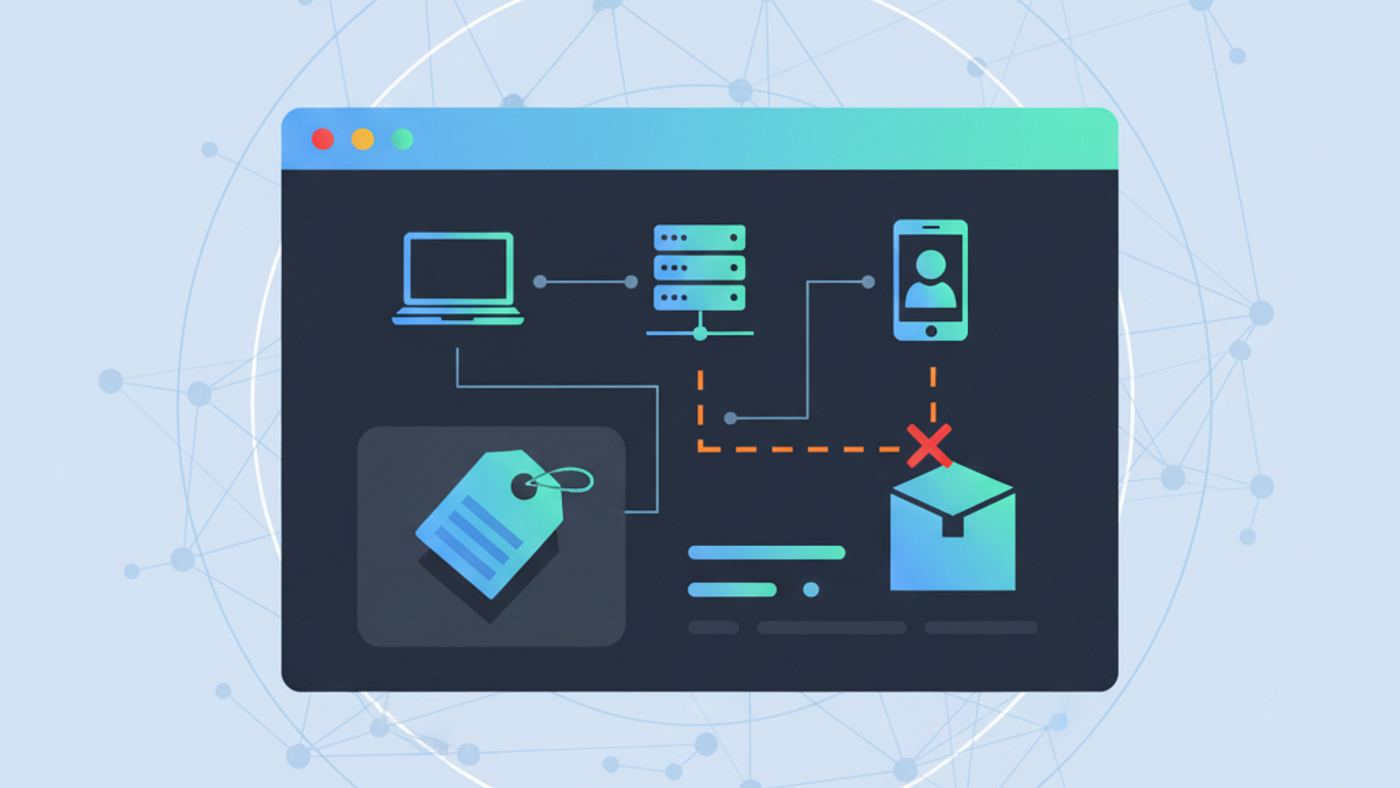
Infographic highlighting the integration layer as the main bottleneck in low-code projects.
Low-Code Without Strong Integrations Is Just a Prototype
This is the part many teams don’t want to hear.
A low-code app without a solid integration foundation is not a system. It’s a demo that survived longer than expected.
Enterprise readiness doesn’t come from UI builders. It comes from:
- how systems talk to each other
- how failures are handled
- how data flows reliably across boundaries
That’s why integration maturity matters more than feature lists.
What Integration-First Low-Code Looks Like in Practice
To make this more concrete, let’s look at how an integration-first low-code approach actually works in real projects.
At **Cheetah Low-Code Development Platform**, integrations aren’t treated as optional add-ons or simple API calls layered on top of the UI. They are designed as a core part of the application architecture from day one.
Here’s what that changes in practice.
Imagine a typical scenario:
- A customer-facing application built with low-code
- Connected to an ERP system, a CRM, and a payment provider
- With workflows that need to stay reliable as usage grows
Instead of wiring these systems together with fragile point-to-point connections, Cheetah allows teams to model integrations as reusable, managed components.
That means:
- Integration logic is separated from UI logic, not buried inside screens
- Data transformations, validations, and error handling are explicit and traceable
- The same integration flow can be reused across multiple applications or processes
In real-world projects, this approach prevents a common failure pattern:
“The app works, but no one dares to change anything because it might break an integration.
With Cheetah, integrations are designed to evolve. APIs can change. Systems can be replaced. Workflows can grow more complex — without forcing a rewrite.
Another critical difference shows up at scale.
As traffic increases, integration performance and reliability become visible. Instead of silent failures or hidden timeouts, teams can monitor, manage, and improve integration flows as first-class assets — not as side effects of visual logic.
The result is simple but powerful:
- Low-code speed at the application layer
- Engineering discipline at the integration layer
That’s what allows teams to move from MVPs (Minimum Viable Product) to production systems — without hitting the usual low-code ceiling when reality catches up.
Final Thought
Low-code is not the problem. It never was.
The real question is simple:
Are your integrations designed to scale — or just to “make it work for now”?
Because when low-code projects fail, it’s rarely because of the platform.
It’s because the integrations were never built for reality.
메타데이터
- post_id
- f5c7a97e04ff
- slug
- low-code-didnt-fail-you-but-your-integrations-did-f5c7a97e04ff
- url
- https://medium.com/@spidya.software/low-code-didnt-fail-you-but-your-integrations-did-f5c7a97e04ff
- canonical_url
- https://medium.com/@spidya.software/low-code-didnt-fail-you-but-your-integrations-did-f5c7a97e04ff
- author_url
- https://medium.com/@spidya.software
- status
- ok
- fetched_at
- 2026-06-09 15:37:30