Why Head Scratches Feel So Relaxing: The Science Behind One of the Most Powerful ASMR Triggers
Meta Description: Discover why head scratches feel so relaxing. Explore the neuroscience of ASMR, scalp sensitivity, stress relief, and…
Why Head Scratches Feel So Relaxing: The Science Behind One of the Most Powerful ASMR Triggers
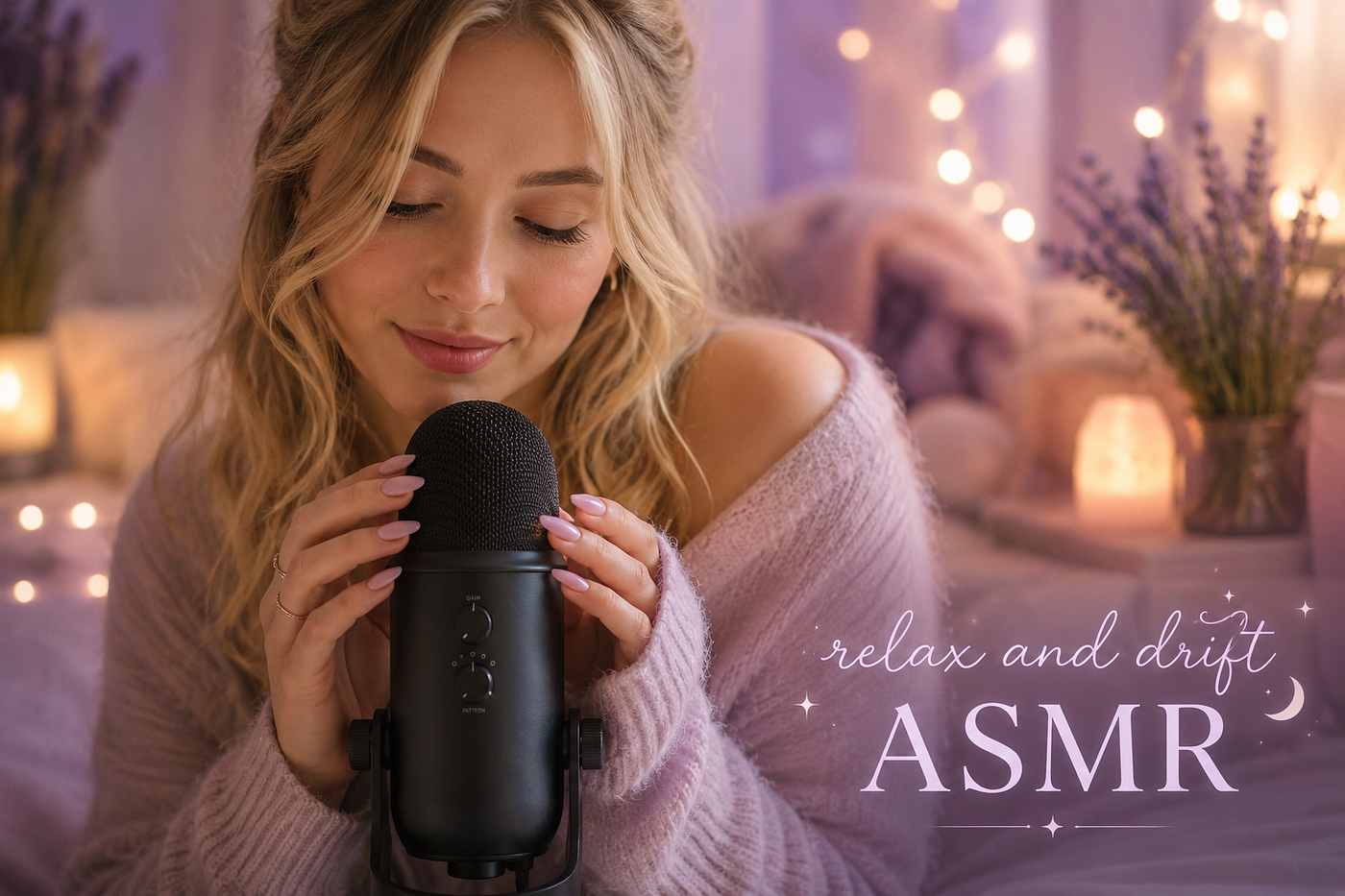
Relax and Drift ASMR on Social Media
Meta Description: Discover why head scratches feel so relaxing. Explore the neuroscience of ASMR, scalp sensitivity, stress relief, and why this simple trigger is so powerful for sleep, anxiety, and emotional calm.
There’s a reason head scratches show up again and again in ASMR videos, relaxation content, and even childhood memories of comfort.
It’s not random.
It’s biology, psychology, and emotional memory working together in one of the simplest human experiences.
A slow scratch on the scalp can shift your entire nervous system in seconds.
But why?
Let’s break it down.
The Neuroscience of Head Scratches (Why Your Brain Loves It)
Head scratches fall under a category called affiliative touch — gentle, non-threatening contact that signals safety and connection.
When the scalp is stimulated, specialized nerve fibers known as C-tactile afferents send signals directly to emotional processing areas of the brain.
These fibers don’t respond to pressure or urgency.
They respond to:
- Slow movement
- Soft touch
- Rhythmic repetition
And the brain interprets that signal as one thing:
You are safe. You can relax.
This is why head scratches don’t just feel physical — they feel emotional.
Why the Scalp Creates an Intense Relaxation Response
The scalp is one of the most nerve-dense areas of the body.
That means even light stimulation — fingertips parting hair, gentle scratching, or rhythmic brushing — creates a strong sensory response.
But the real effect comes from the combination of:
- High nerve sensitivity
- Predictable motion
- Repetitive rhythm
- Non-threatening context
Together, these elements push the nervous system from a stress state (fight-or-flight) into a rest-and-repair state (parasympathetic mode).
This is the same system activated during meditation, deep breathing, and massage therapy.
Why Head Scratching Is a Top ASMR Trigger
In ASMR communities, head scratching is considered one of the most reliable “tingle triggers.”
Even when experienced through a screen, many viewers report:
- Deep relaxation
- Sleepiness
- Tingling sensations
- Emotional comfort
Why does it work without physical touch?
Because of mirror neurons.
When you watch someone slowly scratch, part hair, or use repetitive scalp movements, your brain simulates the sensation internally.
It doesn’t fully “touch” you — but it gets close enough to activate calming neural pathways.
That’s why ASMR creators rely on:
- Slow, intentional movements
- Close-up visuals
- Soft scratching sounds
- Calm, nurturing presence
Head scratching works especially well because it mirrors real-life caregiving behavior.
The Emotional Memory Behind Head Scratches
This is where things get even more interesting.
Head scratches are often tied to early life experiences:
- Being soothed as a child
- Comfort during stress or illness
- Quiet moments of care without words
These experiences are stored in what psychologists call implicit memory — emotional memory that operates outside conscious thought.
So when you experience head scratching again as an adult, your brain doesn’t just register sensation.
It remembers safety.
That’s why the feeling can be surprisingly intense or even nostalgic.
Stress Relief Happens Faster Than You Think
Head scratches can trigger rapid physiological changes, including:
- Lower heart rate
- Reduced cortisol (stress hormone)
- Slower breathing patterns
- Dopamine release (reward + comfort response)
These shifts can begin within minutes.
That’s why this trigger is commonly used in:
- Sleep ASMR
- Anxiety relief videos
- Relaxation therapy content
It works fast because it directly targets the nervous system — not just the mind.
Why Repetition Is Everything in ASMR
One of the most overlooked elements of head scratching is repetition.
The brain is constantly scanning for patterns. Predictable sensory input signals safety.
When the rhythm becomes consistent — scratch, pause, scratch, pause — the brain stops preparing for “what’s next.”
That reduces cognitive load and allows relaxation to deepen.
Unpredictable motion creates alertness.
Predictable motion creates calm.
You Don’t Need to Be Tired for It to Work
Head scratching isn’t just a sleep trigger.
It also works as a grounding tool when you are:
- Overstimulated
- Anxious
- Emotionally overwhelmed
- Mentally exhausted
Instead of forcing sleep, it simply lowers intensity.
It brings your system back to baseline.
Final Thoughts: Why Something So Simple Works So Well
Head scratches are a rare example of something that is both scientifically explainable and deeply human.
On one level, it’s nerve fibers and brain chemistry.
On another, it’s comfort, care, and emotional memory.
In a world full of noise and stimulation, the simplicity of slow, rhythmic touch stands out.
Not because it is complex — but because it isn’t.
Sometimes the most powerful form of relaxation is the one your body already understands.
메타데이터
- post_id
- f74bdf159691
- slug
- why-head-scratches-feel-so-relaxing-the-science-behind-one-of-the-most-powerful-asmr-triggers-f74bdf159691
- url
- https://medium.com/@relaxanddrift/why-head-scratches-feel-so-relaxing-the-science-behind-one-of-the-most-powerful-asmr-triggers-f74bdf159691
- canonical_url
- https://medium.com/@relaxanddrift/why-head-scratches-feel-so-relaxing-the-science-behind-one-of-the-most-powerful-asmr-triggers-f74bdf159691
- author_url
- https://medium.com/@relaxanddrift
- status
- ok
- fetched_at
- 2026-07-23 01:47:02