Is a Settler’s Mindset the Way to Go in the Restaurant Industry?
When opening a new restaurant, is it better to charge ahead as a pioneer — or wait, watch, and settle in smartly?
Is a Settler’s Mindset the Way to Go in the Restaurant Industry?
When opening a new restaurant, is it better to charge ahead as a pioneer — or wait, watch, and settle in smartly?
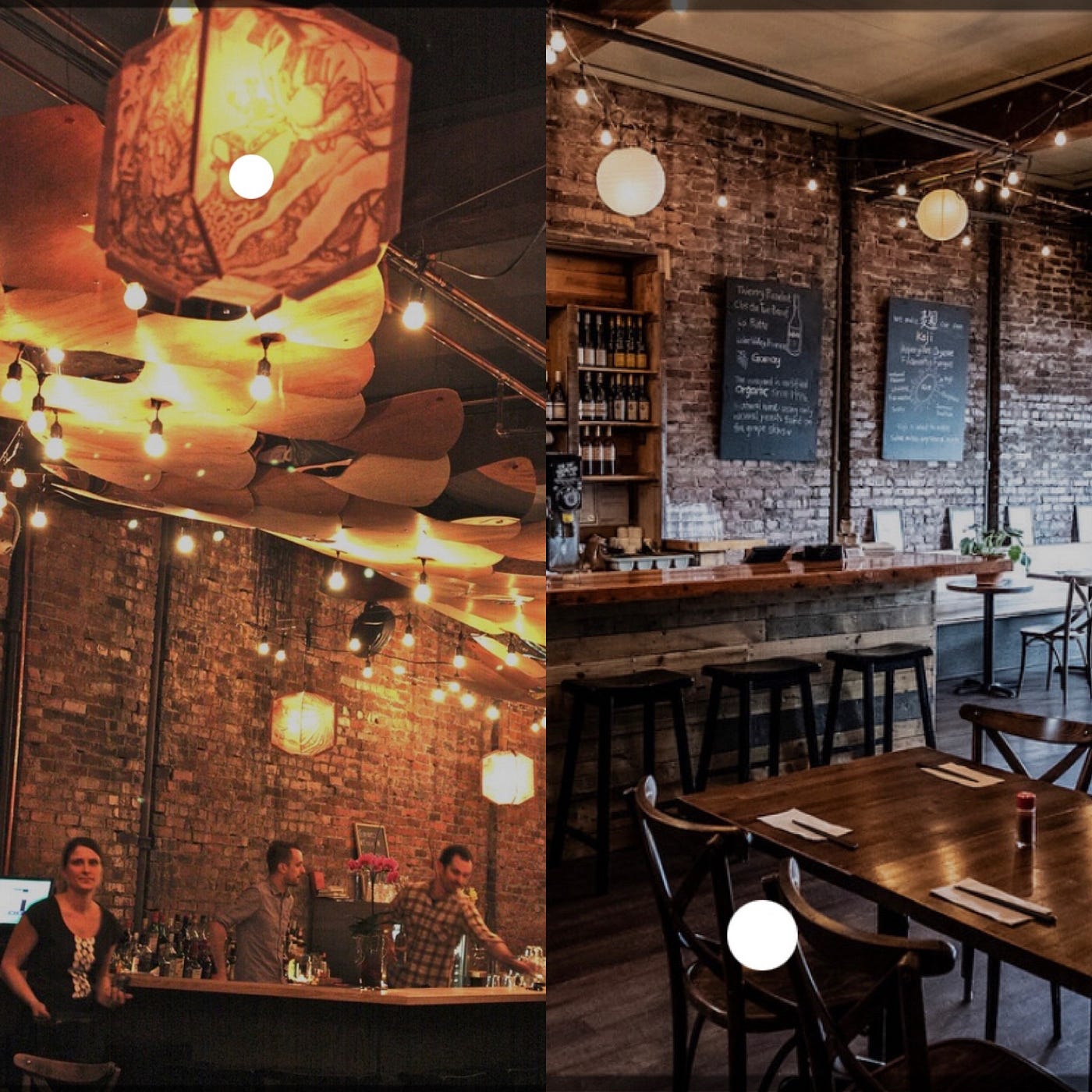
Fat Dragon on the left, Dosanko on the right.
A few years ago, two friends and I recorded a lighthearted episode of my podcast where we drafted our dream imaginary restaurants. We debated concepts, names, and who we’d want running our kitchens and floors. It was a fun exercise, but also revealing — each of us clearly had ideas simmering just below the surface.
Mine? A Mad Men-inspired Ukrainian chophouse — mid-century modern design, elevated Eastern European dishes, and, naturally, pork chops galore. Though I’ve no real intention of opening a restaurant, the idea’s stuck with me. I often think about what kind of mindset it would take to make something like that work in a city like Vancouver, especially in today’s high-stakes climate.
Because the truth is: opening a restaurant here takes guts. And yet, the question persists — should restaurateurs lean into originality and risk, or follow a proven path?
When I think of that question, I’m reminded of when a friend partnered with an experienced team to open a Peruvian restaurant on Main Street, Suyo. I was skeptical at first, wondering if the concept would land. But when I visited a month after opening, he greeted me with a big smile and told me they were “booked through Christmas.” That optimism got me thinking: maybe Vancouver diners still crave something new — but is originality really what wins in the long run?
Pioneers vs. Settlers
This line of thought took clearer shape while reading Adam Grant’s Originals: How Non-Conformists Move the World. In it, he challenges the idea that being first is always best. Often, pioneers — the first to market — face uncertain terrain, higher failure rates, and steeper learning curves. Settlers, who wait and refine existing models, tend to thrive longer.
In Vancouver’s restaurant world, I saw this play out with Fat Dragon — Robert Belcham’s bold Chinese-Southern hybrid that opened on East Powell. Though ahead of its time conceptually, its location in the Downtown Eastside proved to be a gamble that didn’t pay off. It closed after just eight months.
Contrast that with Dosanko, a cozy Japanese eatery that moved into the same space not long after. It’s still going strong. Same address, different timing. As Grant notes in Originals (page 108), startup incubator Idealab found that “timing accounted for 42 percent of the difference between success and failure” across 100 companies. The idea matters. But when you act on it might matter more.
The Case for Waiting
Being a pioneer means risk — new concepts, unfamiliar locations, uncertain markets. Sure, it can work. *Meat & Bread did it. So did [St. Lawrence](https://www.instagram.com/stlawrencerestaurant/) and [The Acorn*.](https://www.instagram.com/acornvancouver/) But for every one success, there are dozens of quieter failures we forget.
Food editor Neal McLennan caught some heat a few years back when he criticized restaurateurs for playing it too safe — opening another “pizza joint combining flour, water, and cheese” instead of chasing fine-dining ambitions like Hawksworth. His comments caused a stir (most notably by yours truly), but raised an important point: is the “settler” approach safe… or smart?
Data suggests the latter. A study by Peter Golder and Gerard Tellis found that 47% of pioneers failed — compared to just 8% of settlers. Even when pioneers survived, they only captured 10% of the market, compared to 28% for those who followed. Those odds are hard to ignore.
“Wouldn’t you rather be second or third and see how the guy in first did, and then … improve it? When ideas get really complicated, and when the world gets complicated, it’s foolish to think the person who’s first can work it all out. Most good things, it takes a long time to figure them out.” — Malcom Gladwell
Learning, Then Launching
I saw the value of this slower, more deliberate approach in my interview with Adam Henderson of Superflux. He and his now former business partner spent years refining their brand by setting up shop in breweries and doing small-batch runs. When they finally opened their own space on Clark Drive, it wasn’t a leap of faith — it was the next step in a carefully paced journey. That settlers’ mindset paid off in the form of a rock-solid foundation and loyal following.
Or take *Bells & Whistles*, opened by friends of mine. At a time when the Donnelly Group’s dark, industrial pubs dominated Vancouver’s bar scene, they went the opposite way — bright, airy, community-forward. Their success proved there was space to challenge the norm without being first. Ironically, Donnelly later shifted its own aesthetic in a similar direction. Coincidence? Maybe not.
The Middle Ground
To be clear, pioneers have a place. Someone has to go first, or innovation stalls. We wouldn’t have St. Lawrence or The Acorn without bold first-movers. But even in those cases, success required immense clarity, quality, and timing.
History across industries is full of pioneers who faded while settlers refined and thrived — Napster vs. iTunes, MySpace vs. Facebook. The lesson? Original ideas are essential, but rushing them rarely ends well.
As Peter Thiel writes in Zero to One:
“Being the first mover doesn’t do you any good if someone else comes along and unseats you.”
So what mindset should a restaurateur adopt? If you’re sitting on an exciting idea, maybe don’t rush. Study the landscape. Test your concept. Wait for the right moment — and strike when the market’s ready.
In today’s restaurant world, there may be something original in simply waiting your turn.
메타데이터
- post_id
- fc4ba8378038
- slug
- is-a-settlers-mindset-the-way-to-go-in-the-restaurant-industry-fc4ba8378038
- url
- https://medium.com/track-and-food/is-a-settlers-mindset-the-way-to-go-in-the-restaurant-industry-fc4ba8378038
- canonical_url
- https://medium.com/track-and-food/is-a-settlers-mindset-the-way-to-go-in-the-restaurant-industry-fc4ba8378038
- author_url
- https://medium.com/@jamiemah
- status
- ok
- fetched_at
- 2026-06-12 18:14:10