What is GWAS? Key Points and Benefits of GWAS
A Genome Wide Association Study (GWAS) is a research approach used to identify genetic variants associated with specific traits, diseases…
What is GWAS? Key Points and Benefits of GWAS
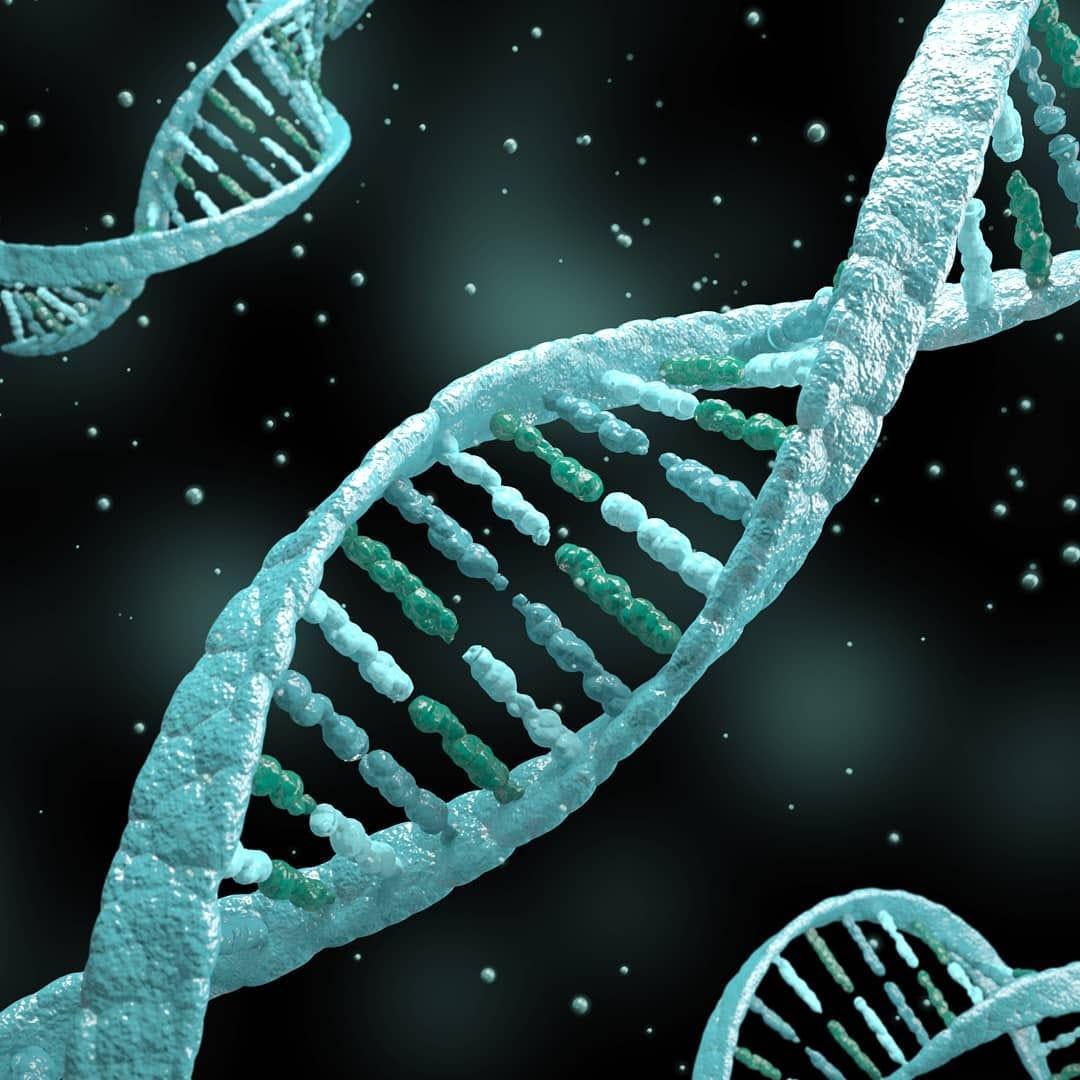
A **Genome Wide Association Study (GWAS)** is a research approach used to identify genetic variants associated with specific traits, diseases, or conditions.
Key Points:
- Process: GWAS typically compares the DNA of two groups — cases (individuals with the trait/disease) and controls (those without). High-throughput sequencing or genotyping arrays analyse millions of SNPs across the genome.
- Applications: Used in medical research to identify genetic risk factors for diseases like diabetes, cancer, or Alzheimer’s, and in agriculture for traits like crop yield or disease resistance.
- Statistical Analysis: Relies on statistical methods to detect associations, often requiring large sample sizes to achieve sufficient power. P-values are adjusted for multiple testing (e.g., Bonferroni correction) to avoid false positives.
- Limitations: Identifies correlations, not causation. May miss rare variants or complex interactions. Results can be population-specific, limiting generalizability.
- Recent Advances: Integration with other omics data (e.g., proteomics, metagenomics) and machine learning enhances GWAS insights. Polygenic risk scores (PRS) derived from ***GWAS*** data are increasingly used for personalised medicine.
Benefits of Genome-Wide Association Studies (GWAS):
- Identifies Genetic Risk Factors: GWAS pinpoints genetic variants (e.g., SNPs) associated with diseases like cancer, diabetes, or Alzheimer’s, improving understanding of genetic contributions to health.
- Drives Personalised Medicine: Enables the development of polygenic risk scores (PRS) to predict individual disease risk, guiding tailored prevention or treatment strategies.
- Uncovers Biological Mechanisms: Highlights genes and pathways involved in diseases, informing drug discovery and targeted therapies (e.g., PCSK9 inhibitors for heart disease).
- Informs Public Health: Identifies high-risk populations or genetic predispositions, aiding in targeted screening or intervention programs.
- Versatile Applications: Beyond medicine, GWAS enhances agriculture (e.g., crop yield traits), animal breeding, and evolutionary biology by linking genetics to traits.
- Large-Scale Insights: Leverages large datasets to detect subtle genetic effects, providing robust statistical power when sample sizes are sufficient.
- Catalyses Further Research: GWAS findings spark follow-up studies, integrating with other omics (e.g., ***proteomics***) or functional genomics to deepen knowledge.
In short, GWAS involves scanning the genomes of many individuals to find single-nucleotide polymorphisms (SNPs) or other genetic markers that occur more frequently in people with a particular trait or disease compared to those without it.
메타데이터
- post_id
- 104142e738b0
- slug
- what-is-gwas-key-points-and-benefits-of-gwas-104142e738b0
- url
- https://medium.com/@digidesire/what-is-gwas-key-points-and-benefits-of-gwas-104142e738b0
- canonical_url
- https://medium.com/@digidesire/what-is-gwas-key-points-and-benefits-of-gwas-104142e738b0
- author_url
- https://medium.com/@digidesire
- status
- ok
- fetched_at
- 2026-06-09 15:37:30