AlphaFold: A Revolution in Protein Structure Prediction
AlphaFold, a groundbreaking AI tool from DeepMind, is transforming the landscape of computational biology. By revolutionizing how…
AlphaFold: A Revolution in Protein Structure Prediction
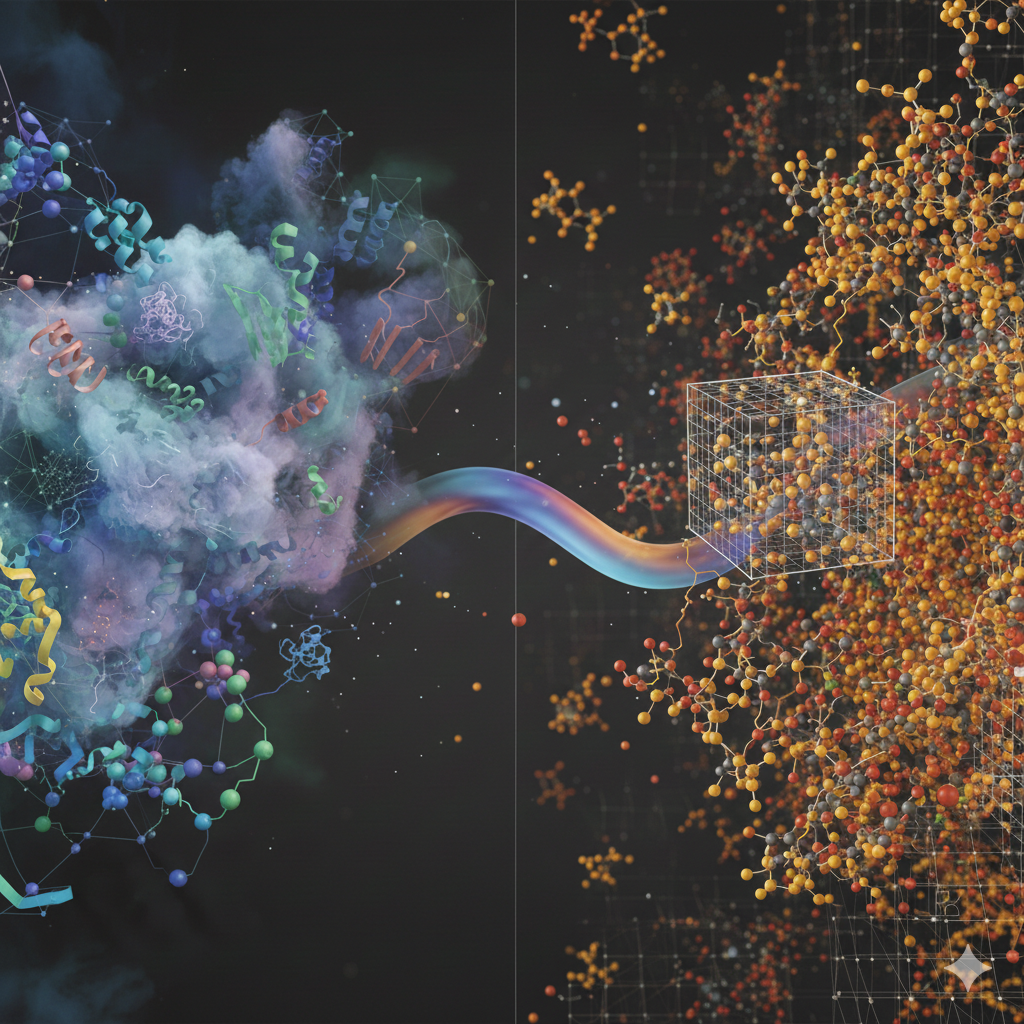
Source google-deepmind-isomorphic-alphafold-3-ai-model
AlphaFold, a groundbreaking AI tool from DeepMind, is transforming the landscape of computational biology. By revolutionizing how scientists predict protein structures, AlphaFold has profound implications for biology, medicine, and biotechnology. But what makes AlphaFold such a game-changer, and why is it ushering in a new era of biological discovery?
The Journey from AlphaFold 1 to AlphaFold 3
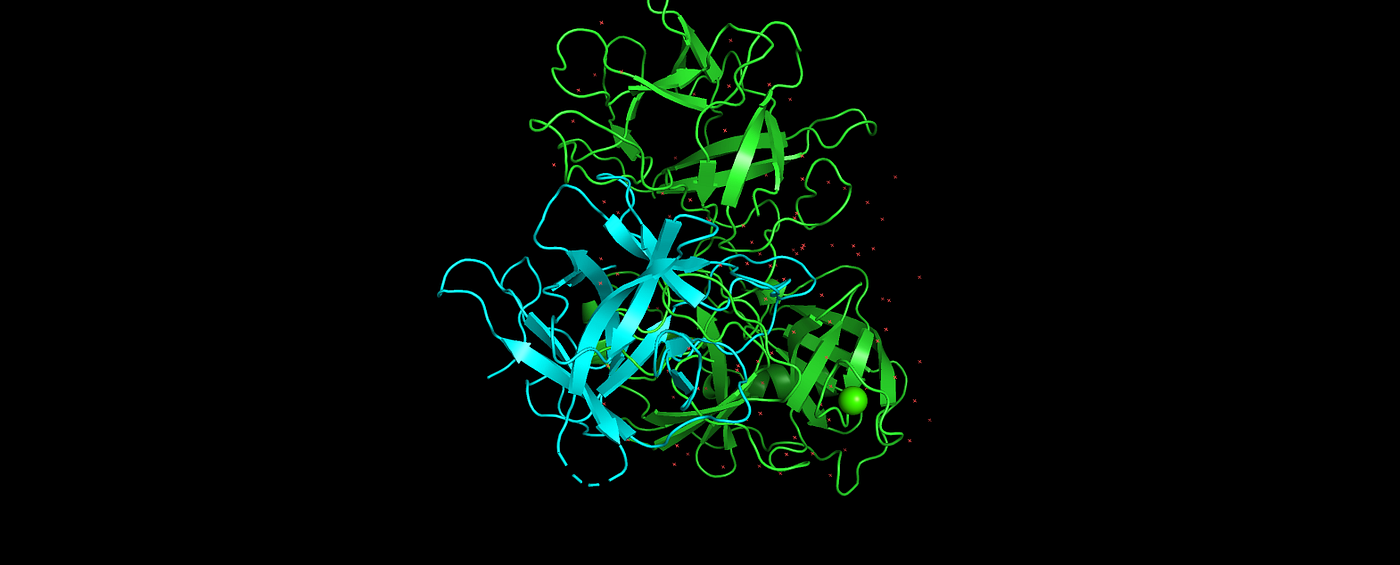
AlphaFold predicts protein structures with unparalleled precision, leveraging vast protein sequence databases and complex algorithms to determine how a protein folds based on its amino acid chain. Traditionally, this task required time-consuming and expensive experimental techniques like X-ray crystallography, cryo-electron microscopy, and nuclear magnetic resonance (NMR) spectroscopy.
AlphaFold 1 was the initial step into protein structure prediction using deep learning. While it wasn’t as sophisticated as its successors, it laid the groundwork for future advancements. Over the years, AlphaFold has evolved significantly, culminating in the latest iteration, AlphaFold 3. This blog explores the journey from AlphaFold 1 to AlphaFold 3, highlighting the key improvements in architecture and their implications for science and medicine.
AlphaFold 2: A Breakthrough in Protein Structure Prediction
Source: Figure extracted from link
Released in 2020, AlphaFold 2 took the biology world by storm with its ability to predict protein structures with unprecedented accuracy, enabling groundbreaking research. Its architecture consists of key components: the Evoformer deep neural network, takes an amino acid sequence (the building blocks of proteins), and a multiple sequence alignment (similar protein sequences from vast databases) as input. The Evoformer analyzes these sequences, extracting evolutionary relationships and potential constraints on the protein’s structure. Once the Evoformer has done its job, the structure module takes over. It utilizes the processed information to build the protein structure step-by-step. This process involves predicting the protein’s backbone conformation first, followed by the positioning and refinement of the side chains (the unique functional groups attached to the backbone).
AlphaFold2 doesn’t stop at a single prediction. It employs an iterative process called “recycling.” After generating an initial structure, AlphaFold2 feeds all the information — the original sequence, the processed data from the Evoformer, and the predicted structure itself — back into the system. This allows the model to refine its predictions and improve the accuracy of the final structure. This recycling step can be repeated multiple times, leading to ever-more precise models. The success of AlphaFold 2 garnered widespread acclaim and demonstrated the potential for AI to transform biology and medicine. It accelerated research across various fields, including drug discovery, disease understanding, and synthetic biology.
AlphaFold 3: Overcoming Limitations and Expanding Capabilities
However, as with any scientific advancement, limitations paved the way for further innovation. While AlphaFold2 excelled at predicting individual protein structures, it struggled with protein complexes. AlphaFold2 primarily focused on intra-protein interactions (within a single protein) and couldn’t fully capture the complexities of inter-protein interfaces. While groundbreaking, this limited its scope, and AlphaFold 3 breaks free from this constraint. Building upon the foundation of AlphaFold2, AlphaFold3 introduces several architectural improvements for enhanced protein structure prediction, particularly for complexes.
Source Figure extracted from the link.
The core workflow involving template search, genetic search, and conformer search is retained. These inputs feed into the Template and MSA modules, similar to AlphaFold2. The MSA module in AlphaFold3 is smaller compared to AlphaFold2, potentially indicating reduced reliance on multiple sequence alignments for complex predictions. A new Pairformer module takes over from the Evoformer. This module focuses solely on single and pair representations, excluding MSA data. AlphaFold2’s structure model is replaced with a Diffusion model. This generates a distribution of structures rather than a single prediction with uncertainty. This avoids the need for parametrization and leads to more precise final structures. AlphaFold3 removes the physics-based minimization step (using AMBER) employed in AlphaFold2 for side-chain positioning. To prevent physically unrealistic structures in unstructured regions (loops), AlphaFold3 utilizes cross-distillation with training data containing such loops (AlphaFold-Multimer v2.3). A novel confidence module is introduced to assess the reliability of predicted structures based on atom-level and pairwise error calculations. These architectural advancements in AlphaFold3 contribute to its improved ability to predict protein structures, especially for protein complexes, compared to its predecessor.
AlphaFold 3 has improved capabilities for predicting the structures of protein complexes, a challenging area that AlphaFold 2 struggled with. Enhanced prediction of membrane proteins expands AlphaFold 3’s applicability to biologically and medically significant proteins that were more difficult for AlphaFold 2 to model accurately. By accurately predicting the structures of protein-DNA and protein-RNA complexes, AlphaFold 3 can provide valuable insights into the molecular mechanisms underlying various biological processes, paving the way for advancements in fields such as genetics, molecular biology, and biotechnology.
Conclusion
AlphaFold’s evolution from its first version to the latest AlphaFold 3 represents a significant leap in protein structure prediction. With each iteration, it has expanded its capabilities, addressing previous limitations and opening new avenues for scientific discovery. As AlphaFold continues to advance, it holds the promise of transforming our understanding of biology and driving innovations in medicine and biotechnology.
메타데이터
- post_id
- b3e45dec7e07
- slug
- alphafold-a-revolution-in-protein-structure-prediction-b3e45dec7e07
- url
- https://medium.com/@pavan_allu/alphafold-a-revolution-in-protein-structure-prediction-b3e45dec7e07
- canonical_url
- https://medium.com/@pavan_allu/alphafold-a-revolution-in-protein-structure-prediction-b3e45dec7e07
- author_url
- https://medium.com/@pavan_allu
- status
- ok
- fetched_at
- 2026-07-07 17:16:07